Starmer urges closer EU ties to undo Brexit harms amid Middle East crisis

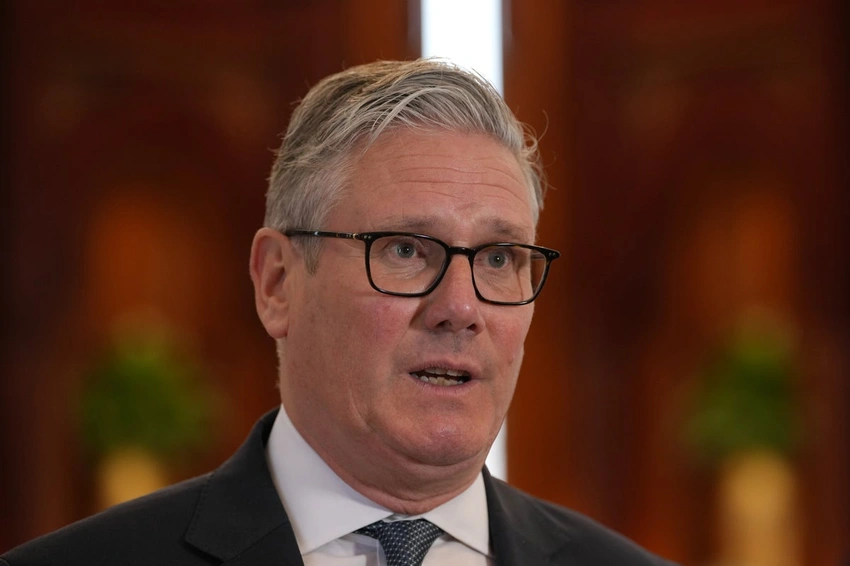
Starmer urges closer EU ties to undo Brexit harms amid Middle East crisis
Starmer argues a Brexit reset is needed to shield living standards as UK weighs new alignment with EU rules amid Iran crisis.
Keir Starmer has warned that the crisis sparked by Donald Trump’s war in the Middle East underlines the case for reversing key parts of Brexit. He argues the UK should move to bring itself economically closer to the EU again, a stance he casts as essential to protecting living standards and public services. A government bill, planned this year, would allow the UK to align with EU rules in specific areas—food standards, animal welfare and pesticide use—through dynamic alignment and with powers that could fast‑track further EU changes without a full parliamentary vote. Starmer’s push centers on the idea that economic openness to Europe remains in the UK’s best interest, even as Brexit supporters stress sovereignty.
In Parliament, the Labour leader framed the debate against the backdrop of a broader geopolitical crisis. He noted that Prime Minister’s warnings about Iran and the related risk to the Strait of Hormuz coincide with a domestic economy pressed by years of upheaval, from the 2008 financial crash to austerity, Brexit and the pandemic. Starmer insisted a reset is not a return to a failed status quo but a pathway to better living standards through smarter integration with European norms where it benefits British shoppers and farmers alike.
The plan to embrace elements of the EU single market through dynamic alignment is controversial. Proponents say it would provide stability and prevent fragile supply chains from buckling under external shocks. Critics fear the scope of “Henry VIII powers” could erode parliamentary scrutiny and hand ministers sweeping authority. Starmer’s call for closer EU ties is thus both a policy proposition and a political test: can Labour reconcile its insistence on scrutiny and accountability with a pragmatic economic strategy that leans toward Europe in a time of global volatility?
Meanwhile, the government has signaled it will convene a 40‑nation gathering aimed at keeping the vital sea lane open, underscoring how intertwined security and economics have become. Starmer’s stance reflects a broader tension in UK politics: balancing sovereignty with the tangible benefits of access to European markets while navigating a rapidly shifting international landscape.
