The Power of Essays on Writing and Writers

The Power of Essays on Writing and Writers
The Power of Essays on Writing and Writers
The essay is a deceptively simple form. A few paragraphs on a page can reshape how a culture thinks, how a writer writes, and how readers understand themselves and their world. Though short in proportion to novels or treatises, essays have been vital in the history of ideas from Montaigne to the digital age, serving as both personal disclosure and philosophical argument.
The Essay as a Literary and Intellectual Force
At its core, the essay is a flexible genre that can be reflective, argumentative, critical, or narrative. Encyclopaedic accounts of the form emphasise that essays encompass literary criticism, political manifesto, fragments of daily life and cultural observation as much as formal argument. This breadth grants the essay an unusual power: it can be both intensely personal and rigorously intellectual.
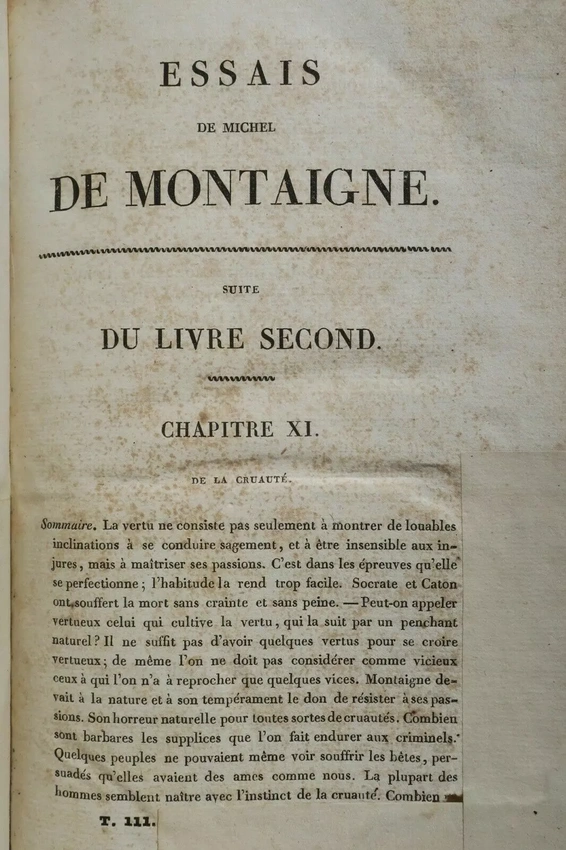
Michel de Montaigne, often credited with popularising the genre in the sixteenth century, mined his own thoughts and experiences to question received knowledge. Subsequent essayists such as Francis Bacon, Joseph Addison, and Richard Steele helped establish the essay as a vehicle for public discourse in England by the early eighteenth century. In each iteration, the form proved adaptable as a space for philosophical enquiry, moral reflection, and cultural critique.
For writers, it represents a mode of rigorous thinking made visible on the page. Essays, unlike more formally structured academic writing, are not bound to a strict form of evidence and citation alone; they allow room for personal voice and intellectual wanderings woven with logic. While academic writing in general aims to inform and persuade through disciplined argument, essays can inhabit that terrain while also exploring ambiguity and subjectivity.
Why Writers Write: Orwell and Didion
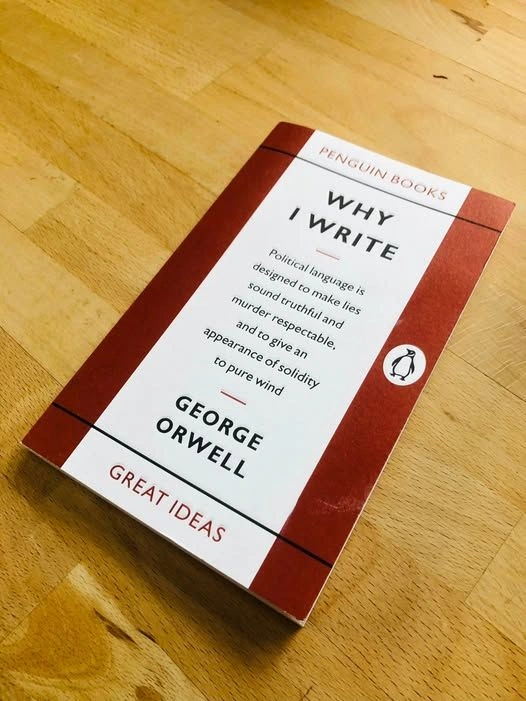
No discussion of the essay’s impact on writers is complete without considering Why I Write, the celebrated reflection by George Orwell. In that piece, Orwell famously outlines his four motives for writing, namely, egoism, aesthetic enthusiasm, historical impulse, and political purpose; providing a rare glimpse into the writer’s inner workshop. His transparent unpacking of motive affirms that essays are not merely expository but philosophical meditations on purpose itself.
Joan Didion’s own Why I Write complements yet contrasts Orwell’s. Didion foregrounds the intimate mechanics of prose or the “infinite power” of grammar and the imagery that dictates form, reminding us that writing is also tactile and perceptual. For Didion, the act of composition is bound up with experience; her essays often feel like keys turning inside their own locked rooms of memory and perception. In leaning into this personal dimension, Didion’s work illustrates the essay’s capacity to shape not only ideas but voice the sonic and formal signature of a writer.
Taken together, these reflections show how the essay can shape a writer’s understanding of craft, self, and society. Essays encourage writers to scrutinise not just what they think but how they think.
The Essay’s Effect on Writing and Writers
Essays represents a bridge between academic discourse and everyday life. In an age of social media snippets, essays offer a contrasting space: slow, deliberate, argumentative yet intimate.
In literary education, essays are foundational. They cultivate analytical habits, teach precision of thought, and demand clarity of expression. Academic sources consistently note that writing essays is not merely an academic requirement but a means of refining intellectual and communicative capacities. The discipline required to formulate a thesis, substantiate it with reasoned argument and conclude with insight is central to critical thinking across the humanities.

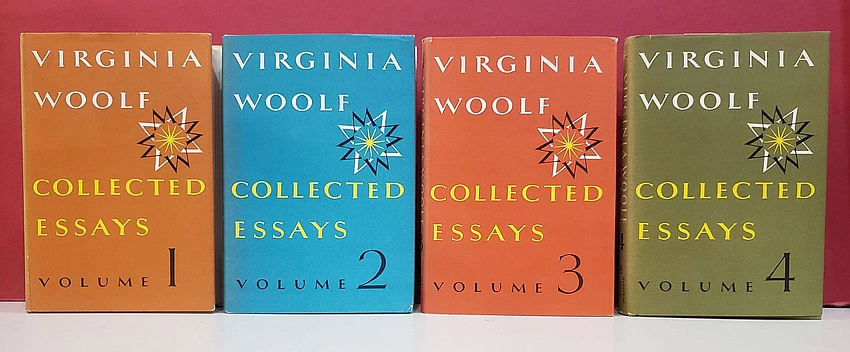
Beyond academia, essays shape public consciousness. Thinkers such as Virginia Woolf in Modern Fiction challenged prevailing norms of literature, urging writers to write from inner compulsion rather than external dictates. Such essays do not simply comment on culture; they reframe the ground rules of creation and interpretation.
This cultural resonance is evident in contemporary discourse where essays have migrated into blogs, opinion pieces, and even long-form journalism. The digital era has expanded the audience for essays while also challenging writers to assert depth in brevity. In pop culture contexts, essays can make complex ideas accessible, prompting dialogue on politics, identity, technology, and aesthetics.
Essay Writing as Creative Formation
What differentiates essays from other forms of writing is their reflexive nature. Essays ask writers to position themselves within the narrative of ideas. In doing so, they shape not only the content but the writer’s own self-understanding. The iterative process of drafting, questioning, and revising an essay mirrors a process of becoming; writing changes the writer. This is why essays endure as both a practice and a genre.
In modern academic discourse, essays continue to be a central instrument of pedagogy because they require the writer to navigate evidence, interpretation, and argument. Outside the academy, their presence in cultural criticism and journalism attests to their continued vitality. Essays invite readers into a conversation rather than delivering didactic pronouncements, embodying an ethos of inquiry rather than closure.
The essay’s power lies in its dual identity: at once personal and philosophical, artistic and intellectual. From Montaigne to Didion, from Orwell to contemporary writers, essays have shaped how writers think, argue, and articulate their place in the world. They are not merely pedagogical exercises but cultural artefacts that have influenced literary form and social discourse. In engaging with essays, writers refine not just style, but insight itself.
