Mojtaba Khamenei Named Iran's New Supreme Leader Amid Wealth Questions

Mojtaba Khamenei Named Iran's New Supreme Leader Amid Wealth Questions
Mojtaba Khamenei is reportedly chosen to succeed his father, sparking debate over wealth, security risks, and the region's stability.
Three days after the death of Iran's long-serving leader Ayatollah Ali Khamenei, senior clerics reportedly elected Mojtaba Khamenei as the next supreme leader, with the Revolutionary Guards backing the move. Officials have not yet issued an official announcement, and the process remains enveloped in secrecy. Still, the momentum points to a leadership transition that would keep power within the clerical establishment and the security apparatus, raising questions about how the new leader will balance influence across Tehran, Qom and the broader state structure.
Mojtaba, 56, was born in Mashhad in 1969. He joined the Islamic Revolutionary Guard Corps around 1987, after finishing high school, and served in the Habib Battalion during the Iran-Iraq war, building long-standing ties with Iran's security elite. He later studied with Iran's leading clerics in Qom and taught at a religious seminary. In 2004, he reportedly married Zahra Haddad-Adel, the daughter of a conservative politician and former Parliament speaker, further cementing his ties within the state’s power circles.
Beyond the public profile, reports have circulated about a substantial personal fortune — claims that he has amassed wealth worth more than £100 million, including upscale homes in London and Dubai and hotels across Europe. While such figures are part of a broader debate about wealth and transparency within Iran's elite, official confirmation has not been publicly verified.
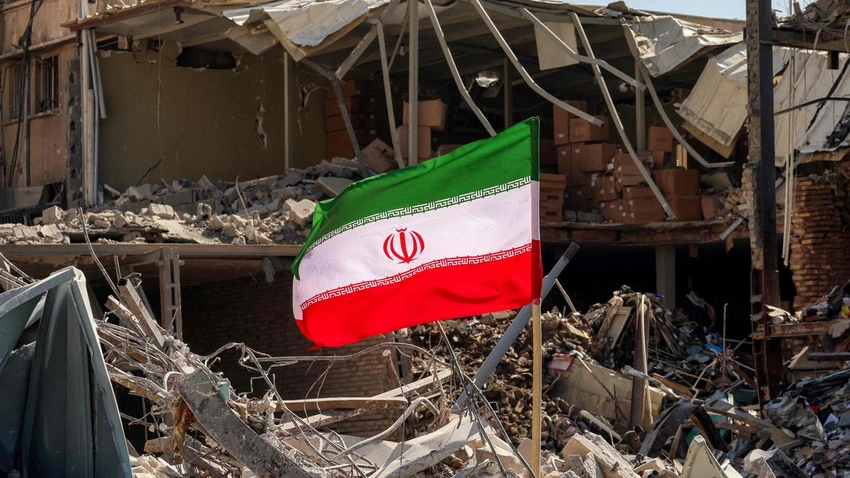
The leadership change is fraught with risk. Some clerics reportedly fear that naming Mojtaba could expose him to increased pressure and targeting by the United States and Israel, intensifying regional tensions. The reports of an Israeli strike on a building in Qom linked to clerics meeting to decide the successor added to security concerns, though Iran's state media disputed the claim, saying the building was unused.
With no formal confirmation yet, regional observers are watching closely to see how the transition unfolds and what it means for Iran's foreign policy and domestic governance. If confirmed, Mojtaba's ascent could signal continuity for the clerical establishment while shaping how Iran projects power abroad.

Login to comment.
No thots yet. Be the first to share your thoughts!