Netflix's 'Lizzie Borden Story': Does it Miss the Mark on Female Rage?

Netflix's 'Lizzie Borden Story': Does it Miss the Mark on Female Rage?
Netflix's 'Monster: The Lizzie Borden Story' tackles female rage, but critics say it falls short. Dive into the controversial retelling of a historical murder and its modern interpretations.
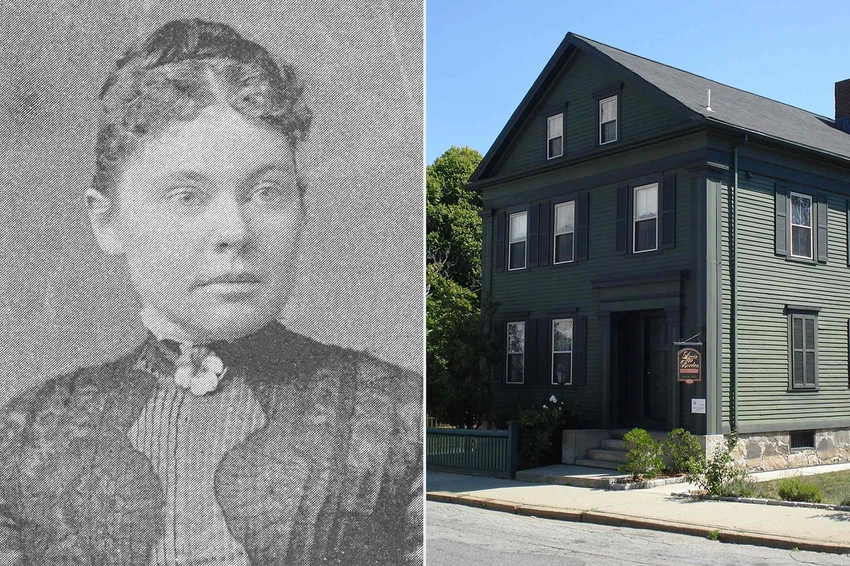
Netflix's latest true-crime anthology, "Monster: The Lizzie Borden Story," has debuted, aiming to delve into themes of female rage and repression through the notorious 1892 axe murders. While the show's creators have highlighted these themes as central, critical reception suggests that the series might be missing its mark, failing to offer new insights into a well-trodden narrative.
The series, from creators Ian Brennan and Ryan Murphy, attempts to connect Lizzie Borden's story with other infamous female figures like Elizabeth Báthory and Aileen Wuornos, suggesting a simplistic kinship among female killers. Critics argue that despite the relevant backdrop of gendered frustrations in a post-#MeToo era, the show provides "maddeningly simplistic conclusions" and lacks the nuance expected from such a deep dive into societal misogyny.
One of the most significant criticisms leveled against "Monster: The Lizzie Borden Story" is its liberal approach to historical accuracy.
The show is described as "the least historically accurate Monster yet," playing fast and loose with facts surrounding the Borden family. For instance, actors Ella Beatty and Charlie Hunnam are cast significantly younger than their real-life counterparts at the time of the murders.
The series also introduces fictionalized events, such as an "oyster poisoning" episode and a dramatically altered portrayal of the Bertha Manchester murder, that never occurred or transpired vastly differently. Furthermore, the show fabricates a queer romantic storyline for Lizzie with the family maid, Bridget Sullivan, an angle explored in previous dramatizations but significantly expanded here.
This blend of fact, half-truth, and pure fabrication leaves viewers questioning the historical fidelity of the narrative. Despite these creative liberties, actress Ella Beatty, who portrays Lizzie Borden, has expressed her commitment to the role, stating that her job is to "love her and be her advocate." Her performance, as well as the show's ambitious thematic scope, aims to humanize and explore the complex motivations behind such a notorious figure, even if the execution draws mixed reviews for its historical reinterpretations and thematic depth.
Ultimately, "Monster: The Lizzie Borden Story" attempts to re-examine a chilling historical event through a contemporary lens of female frustration.
However, in its pursuit of connecting Lizzie Borden to a broader narrative of female rage, it faces criticism for simplifying complex issues and taking extensive historical liberties, potentially hindering its ability to provide a genuinely fresh or profound understanding of the case. #LizzieBordenStory #NetflixMonster #FemaleRage

Login to comment.
No thots yet. Be the first to share your thoughts!