NSE's Mega IPO Moves Forward! What Does It Mean for BSE Shares?

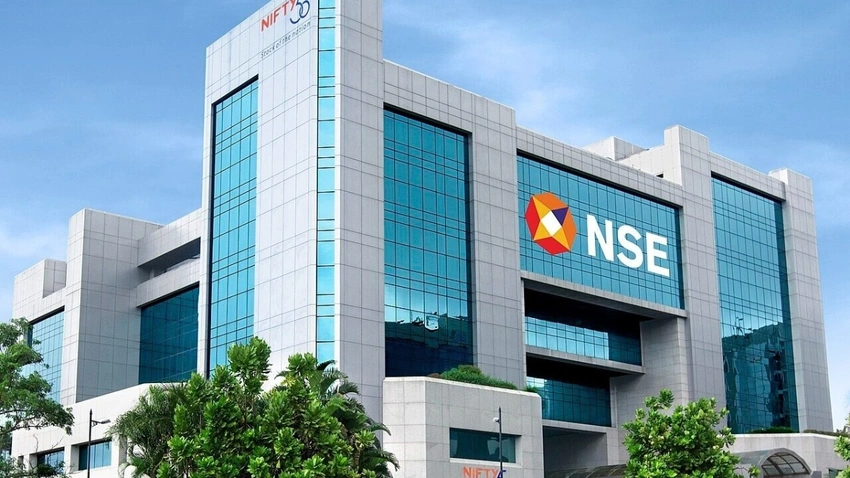
NSE's Mega IPO Moves Forward! What Does It Mean for BSE Shares?
India's largest stock exchange, NSE, files for its IPO! Get the full scoop on this market-shaping event and why analysts are bullish on BSE shares with a 21% upside.
India's financial landscape is buzzing as the National Stock Exchange (NSE) has officially filed its draft papers with market regulator SEBI for what is anticipated to be the largest Initial Public Offer (IPO) on Dalal Street. This long-awaited move comes after a decade of regulatory hurdles, marking a significant milestone for the exchange.
In light of NSE's impending IPO, brokerage firm PL Capital has initiated coverage on BSE Ltd., recommending a 'Buy' with a target price of Rs 4,850. This target suggests a potential 21 percent upside from its recent trading price of Rs 4,010 apiece, signaling strong confidence in BSE's market position. PL Capital highlights that BSE has emerged as a robust player in the equity derivatives segment, particularly following the successful relaunch of its Sensex and Bankex weekly contracts.
The Indian stock exchange ecosystem operates under a tight regulatory framework governed by SEBI, effectively functioning as a near-duopoly. NSE and BSE collectively dominate the entire share of equity cash, derivatives, and debt market turnover. This unique market structure means that developments affecting one exchange often have implications for the other.
Recent regulatory changes, particularly since the latter half of FY25, have significantly reshaped the derivatives market. Regulators, keen on protecting retail investors, have restricted all exchanges to offering only a single weekly expiry contract per benchmark index. This change has disproportionately impacted NSE, which previously offered four weekly expiries, compared to BSE's two. PL Capital notes that both exchanges operate fully electronic, high-throughput platforms across various financial instruments.
A key differentiator between Indian and global exchanges lies in their revenue models. Indian exchanges, including both BSE and NSE, derive a substantial proportion of their operating revenue (around 79% for both in FY26) from transaction income. This heavy reliance makes their earnings highly sensitive to market volumes and trading cycles. In contrast, global peers like ICE, NASDAQ, LSE, JPX, and HKEX have successfully diversified their revenue streams. These international exchanges generate 20-60 percent of their revenue from transaction income, with a significant 50-80 percent coming from more stable annuity-like sources such as data, technology, and information services, leading to a more predictable earning profile.
While NSE benefits from data, technology, and colocation services contributing about 10 percent to its revenue, BSE's contribution from these areas is currently negligible. However, with the market dynamics shifting and a renewed focus on derivatives, analysts believe BSE is well-positioned for growth, especially as it continues to capitalize on its strengthened derivatives offerings. The dual development of NSE's IPO and BSE's strong performance marks an exciting chapter for India's capital markets.
