Kneecap rapper avoids new terror trial as CPS appeal rejected

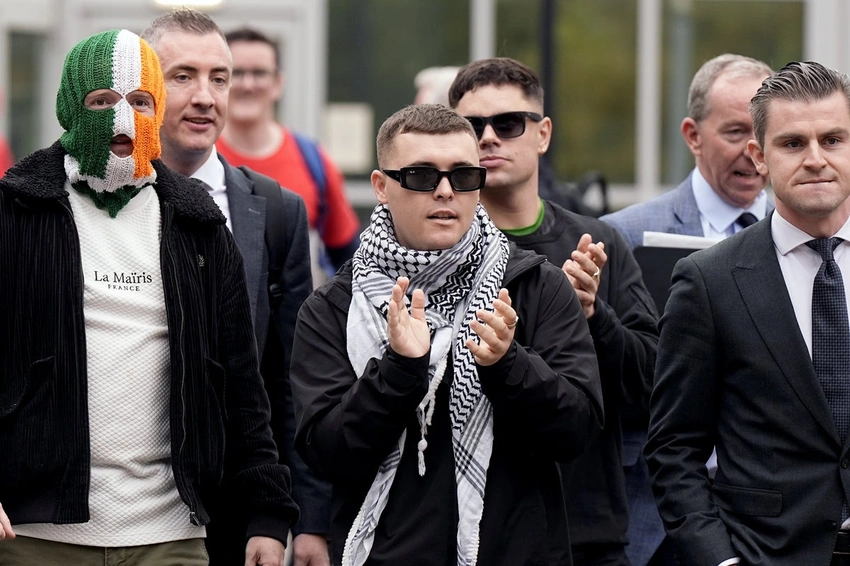
Kneecap rapper avoids new terror trial as CPS appeal rejected
High Court upholds dismissal over Hezbollah flag incident; CPS appeal rejected, ending any new terrorism trial for Kneecap's Liam Óg Ó hAnnaidh.
The High Court has rejected the Crown Prosecution Service's bid for a fresh terrorism trial involving Kneecap rapper Liam Óg Ó hAnnaidh, after ruling that the previous decision to drop the case was lawful. The appeal, heard in January, argued that there was new evidence and grounds to proceed, but the judges maintained that the prosecution had no viable path to a fair trial under the circumstances. In practical terms, the decision ends the Crown’s attempt to reinstate the case over allegations linked to a Hezbollah flag displayed at a Kneecap gig.
Observers note that today’s ruling reinforces the court’s earlier view that pursuing the charges would have been unlawful, and it marks a significant moment in what has been a tightly watched legal matter within the music and security communities. The outcome means there will be no new terrorism trial for the rapper, who remains a prominent figure in the Kneecap collective and in discussions about the balance between artistic expression and security concerns at public events.
While supporters may see the decision as vindication for due process, critics could argue the case underscores ongoing tensions around symbols and safety at live performances. The court’s decision underscores the judiciary’s role in carefully weighing security considerations against the rights of individuals accused in high-profile cases, and it provides a clear resolution to a lengthy legal dispute that has drawn attention beyond the music scene.
As the legal process concludes, commentators anticipate limited further action in this matter, with the focus shifting to the broader implications for performance venues and artists facing similar scrutiny over stage displays. The ruling is likely to be cited in future discussions about how prosecutors approach cases involving alleged provocative symbolism and allegations of terrorism-related offences, while also highlighting the enduring complexity at the intersection of art, protest, and public safety.

Login to comment.
No thots yet. Be the first to share your thoughts!