NASA Begins Countdown for Artemis II: First Moon Flight in 53 Years

NASA Begins Countdown for Artemis II: First Moon Flight in 53 Years
NASA kicks off Artemis II countdown in early April, sending a four-person crew on a lunar flyby to test deep-space systems ahead of future Moon missions.
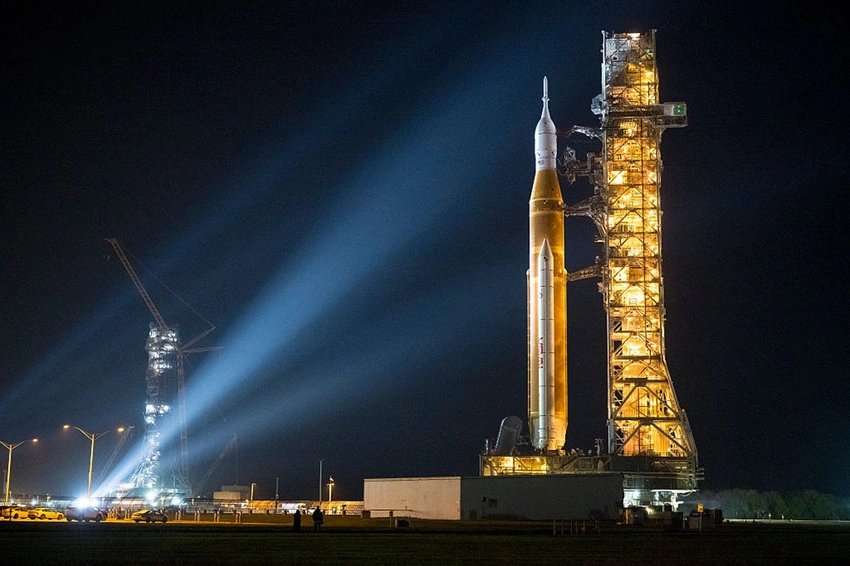
NASA has scheduled a six-day countdown in early April to launch Artemis II, the first crewed lunar flight since 1972, before mission managers pause preparations until the end of the month. The window for liftoff stretches only during the first six days of April, underscoring the precision and timing required as engineers and astronauts prepare for one of the boldest steps in human spaceflight in decades.
The mission will carry a four-person crew aboard the Orion spacecraft and will fly farther from Earth than any human has traveled. While Artemis II will not land on the Moon, it serves as a crucial test bed for life support, navigation, propulsion, and deep-space communications ahead of future lunar operations. The mission is seen as a major milestone in NASA's broader Artemis program, building experience and public momentum for subsequent flights.
Tracking and communications for Orion will involve a network of ground stations, including Goonhilly Earth Station in Cornwall, which will help relay signals as the spacecraft completes its lunar flyby. The involvement of this tracking hub illustrates how a growing array of international facilities supports deep-space exploration and ensures robust data links across vast distances.
Public interest in a new generation of lunar exploration remains high, even as experts note that Artemis II differs from the Apollo era. While it may not have the same groundbreaking impulse, many observers say the mission rekindles fascination with the Moon and demonstrates how cutting-edge technology can enable longer, more ambitious journeys beyond Earth.
With Artemis II underway, NASA will take what it learns to inform Artemis III and beyond, as the agency refines systems and mission profiles for eventual crewed landings. If all goes to plan, the next steps will build toward establishing a sustainable human presence on the Moon and expanding humanity's reach into the inner solar system.
