Meta and YouTube Found Liable in Landmark Social Media Addiction Trial

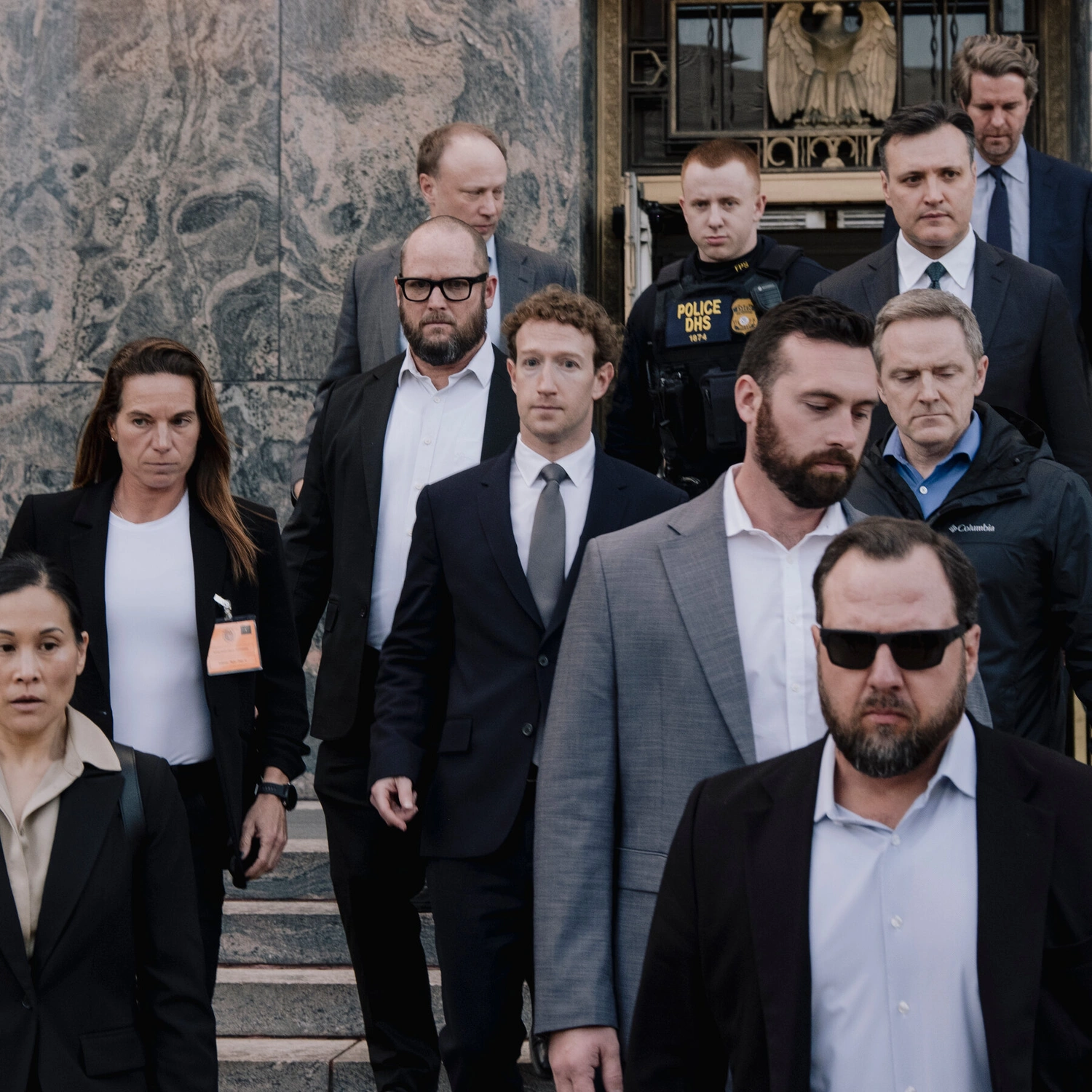
Meta and YouTube Found Liable in Landmark Social Media Addiction Trial
A Los Angeles jury holds Meta and YouTube liable in a landmark case over addictive design impacting a young plaintiff, with punitive damages to follow.
A Los Angeles jury delivered a sweeping verdict in a landmark social media addiction trial, finding Meta and YouTube liable on all seven counts after more than 40 hours of deliberation across nine days. The case centered on Kaley, a 20-year-old plaintiff who contends that design features on the platforms were addictive and harmed her mental health since childhood. TikTok and Snap had settled before the trial, leaving Meta and YouTube as the remaining defendants.
The jury concluded that Meta and YouTube were negligent in the design or operation of their platforms and that this negligence was a substantial factor in causing Kaley's harm. They also found that the companies knew their designs were dangerous for minors and failed to provide adequate warnings or protections. Kaley testified she began using YouTube at age 6 and Instagram at age 9, and she described how the addiction intensified her mental health struggles.
Kaley was awarded $3 million in compensatory damages, and the verdict included findings of malice, oppression, or fraud, paving the way for a second phase to determine punitive damages. The court will move to assess penalties based on new evidence and the overall conduct of the companies.
The trial’s outcome sits within a broader context, as a related New Mexico case resulted in a $375 million verdict against Meta for consumer protection violations. With TikTok and Snap having settled earlier, the remaining defendants’ liability could influence future regulatory scrutiny and how courts weigh platform design in the digital age.
Experts note the decision could spark intensified debates over safeguards for minors, mental health considerations, and the accountability of major tech platforms for addictive features and recommendation algorithms. As lawmakers and advocates push for stronger protections, the legal landscape surrounding social media design and user well-being may be reshaped by this verdict.
