US-Israel Iran clash escalates as Lebanon evacuation warnings widen

US-Israel Iran clash escalates as Lebanon evacuation warnings widen
Global tensions rise as the US weighs naval escorts for Gulf shipping and Israel expands evacuation warnings in Lebanon amid strikes on Iran, signaling a drawn-out regional conflict.
Global tensions are rising in the Middle East as Washington signals it could escort Gulf oil tankers through the Strait of Hormuz if necessary, part of a broader effort to shield global energy markets from the latest flare-up in the US-Israel war with Iran. The administration has moved to use both military and financial tools to keep crude flowing, with the US navy prepared to play a direct escort role if conditions demand it. The White House also directed the U.S. international Development Finance Corporation to provide political risk insurance and guarantees for maritime trade in the Gulf, a step officials say is meant to reassure investors and markets while the conflict persists. No matter what, officials stress, the aim is to prevent disruptions that could ripple across energy prices and global economies.
Trump highlighted the plan in a statement and underscored the administration’s commitment to safeguarding energy supplies, saying that the United States will ensure the free flow of energy to the world. Global crude prices have already surged since Israeli and US forces intensified strikes against targets linked to Iran, with traders watching every move for signs of longer-term disruption to shipments through key choke points.
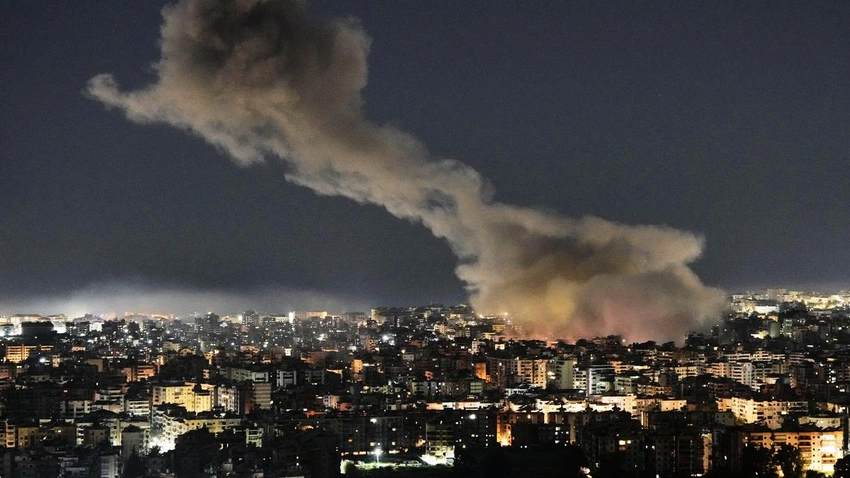
In the meantime, regional developments continue to unfold. Israel’s prime minister says the conflict will take some time and will not be an endless war, even as the Israeli military lists dozens of locations in Lebanon that could be targeted. Across the border, Israel says soldiers are operating in southern Lebanon as Hezbollah pledges to respond to strikes on the group’s strongholds, including areas around Beirut’s southern suburbs.
Lebanon has issued urgent evacuation warnings, urging residents in specific villages to leave immediately for safe zones. The warnings reflect a stark reality on the ground: spillover from the wider confrontation could draw in additional actors and intensify the risk to civilians.
Analysts caution that while naval escorts and financial insurance may reduce some risk, the ability to fully insulate energy markets remains uncertain. Oil traders are weighing the potential for further price volatility if the fighting broadens or if there are missteps near contested supply routes. The coming days are expected to test diplomatic channels and the resilience of global energy supply chains as stakeholders watch for de-escalation signals and new policy moves.
As the region braces for possible longer-term escalation, observers emphasize the need for clear, verifiable steps toward restraint and risk-managed responses that minimize civilian harm while maintaining energy security for the world.

Login to comment.
No thots yet. Be the first to share your thoughts!