Ceasefire talks in Washington face pressure as Lebanon seeks leverage

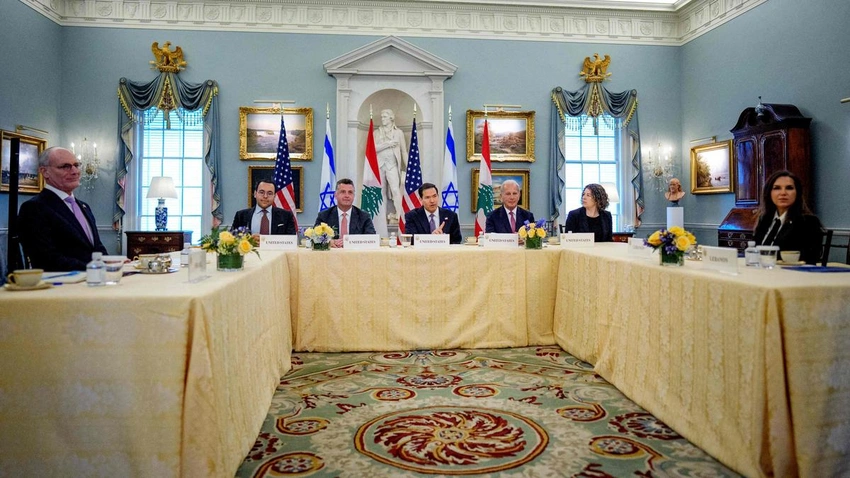
Ceasefire talks in Washington face pressure as Lebanon seeks leverage
Diplomatic talks in Washington resume as Lebanon demands full withdrawal and regional tensions rise amid Iran-Israel flare-ups and rising oil prices.
Oil prices rose on Friday morning as fears of renewed escalation in West Asia intensified after Iran released footage of commandos boarding a cargo ship in the Strait of Hormuz and reports that Tehran’s air defences had engaged hostile targets. Brent futures climbed to $106.3 a barrel, up $1.23, while West Texas Intermediate gained $1.07 to $96.92. The moves followed a Thursday surge of more than 3% on reports of air defences engaging targets and a power struggle between Iran’s hardliners and moderates, underscoring the fragility of the broader crisis surrounding Israel and Lebanon.
In Washington, talks on the Israel-Lebanon ceasefire resumed as expiry looms, with Lebanon’s prime minister emphasizing that any deal would require a full withdrawal of Israeli forces after Israel seized a buffer zone in Lebanon. The renewed diplomacy comes as negotiators aim to extend the ceasefire and prevent a relapse into broader fighting, while Washington pressures all sides to show restraint.
U.S. diplomats are taking a central role, with ambassador-level negotiations led by the secretary of state, as negotiators seek a path toward a durable settlement. While a second round of talks in Washington offers a glimmer of hope, it remains unclear whether negotiators can translate a temporary truce into a permanent resolution, given the region’s deep-seated rivalries and conflicting security guarantees.
Lebanon’s fragile ceasefire outlook has added urgency to the discussions, with regional observers noting that even a temporary deal would ease civilian suffering and allow critical humanitarian aid to flow. Analysts caution that credibility will hinge on verifiable enforcement and tangible withdrawal steps on both sides, rather than vague commitments.
Markets and policymakers continue to monitor the situation closely, as oil prices remain sensitive to any new development in West Asia. While experts stress that diplomacy is essential to reducing risk in a volatile region, the path to a lasting settlement remains uncertain, and much rides on the outcome of the Washington talks.
