Taylor Swift Trademarks Voice and Image to Fight AI Deepfakes

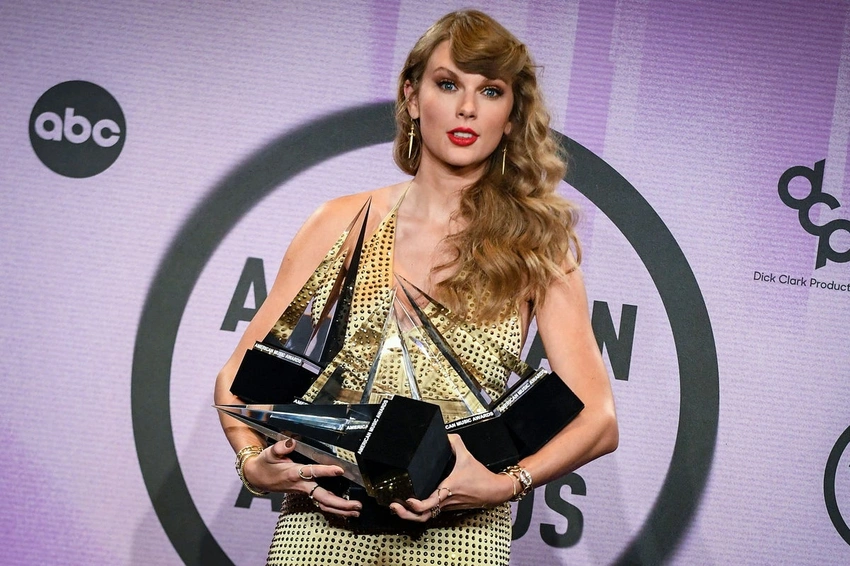
Taylor Swift Trademarks Voice and Image to Fight AI Deepfakes
Taylor Swift files to trademark her voice and image in a bid to curb AI deepfakes, following a similar move by Matthew McConaughey.
Taylor Swift is taking a high-tech step to protect her brand by filing trademarks for her voice and likeness, a move seen as a direct response to the growing threat of AI deepfakes. The filings reportedly cover a photograph and two audio clips, aiming to give Swift control over how her image and voice are used in commercial contexts. In an era where synthetic media can imitate real stars, proponents say these protections could help celebrities retain some say over AI representations of their persona.
The filings come on the heels of a comparable action by actor Matthew McConaughey, signaling a broader push among high-profile performers to fortify their rights in a digital landscape where technology can blur lines between reality and imitation. Trademarking voice and likeness could, in theory, allow these artists to challenge or restrict AI-generated content that attempts to imitate them without consent, potentially preventing misrepresentation in advertising, film, and other media.
Industry observers say the move could set a precedent for other entertainers seeking to guard their identities as AI tools evolve. While trademarks are traditionally used for brands and logos, expanding them to cover voice and image signals a shift toward more holistic protection of a star’s commercial identity. Fans and legal experts alike will be watching how these filings influence enforcement, licensing, and the balance between creative innovation and control over one’s public persona.
As conversations about digital rights and AI accountability intensify, Swift’s action underscores a growing expectation that celebrities can and should steer how their likeness is used online and in multimedia productions. The outcome could influence policy discussions, branding strategies, and the way the entertainment industry negotiates with advancing technologies.
