Kharge: Karnataka leadership is local, not the high command

Kharge: Karnataka leadership is local, not the high command
Kharge says Karnataka leadership confusion is local, not the high command, urging unity and collective credit amid intra-party tensions.
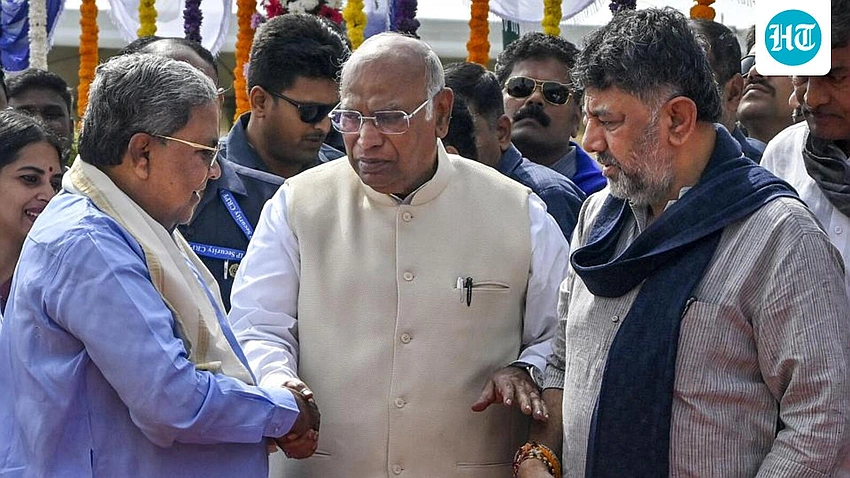
Congress president Kharge on Sunday drew a clear line between the party’s central leadership and the simmering power struggle in Karnataka, saying the confusion over leadership exists only at the local level and not within the party's top brass. He rejected suggestions that Delhi's leadership bears any responsibility, emphasizing that the high command hasn't created confusion and that leadership decisions should be owned by those in Karnataka. He urged party workers and local leaders to focus on collective effort rather than personal credit.
The comments come amid ongoing chatter about who will oversee Karnataka after the party returned to power in May 2023, with chief minister Siddaramaiah and his deputy DK Shivakumar widely seen as rivals for the top post. Kharge did not mention any names, but his remarks sought to remind leaders that electoral success was built by the party's organisational cadre, not a single leader. He expressed confidence that the party's high command supports the leadership in Bengaluru and called for unity ahead of future elections.
Asked about reports of leaders travelling to Delhi to meet the national leadership, Kharge said he had no information on such visits, reinforcing the message that responsibility for leadership lies with local cadres. He urged leaders to refrain from claiming personal credit for victories, reiterating that the party's victories were the result of collective effort and the sustained work of the organisation.
Analysts say Kharge's comments aim to defuse intra-party tensions in a state that will be crucial for the party's prospects in upcoming electoral battles. If the local leadership can align and project a unified front, it could help consolidate support among voters and party workers who have long complained about internal squabbles. For now, the message is simple: unity, accountability, and shared credit.
