Charli XCX’s Wuthering Heights: Gothic Pop for a New Era

Charli XCX’s Wuthering Heights: Gothic Pop for a New Era
Charli XCX’s Wuthering Heights: Gothic Pop for a New Era
Charli XCX shifts from hyperpop to a gothic, atmospheric full-album soundtrack for Emerald Fennell's Wuthering Heights, with Margot Robbie leading the adaptation. A bold cinematic turn.
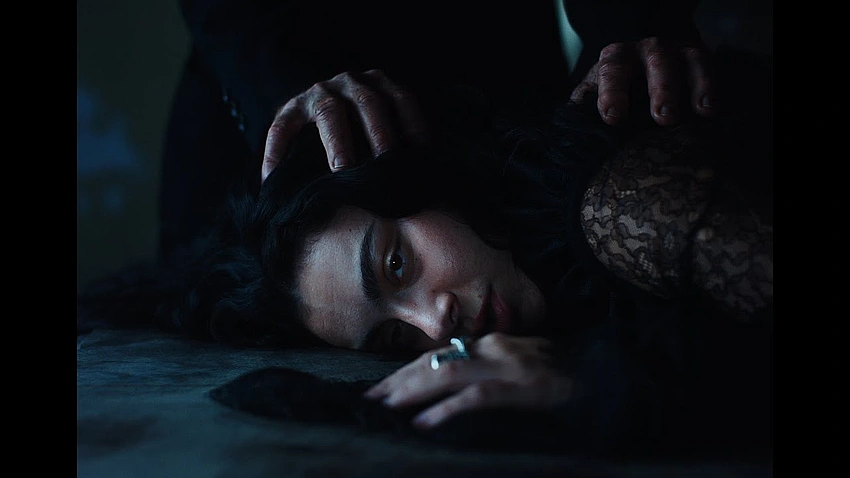
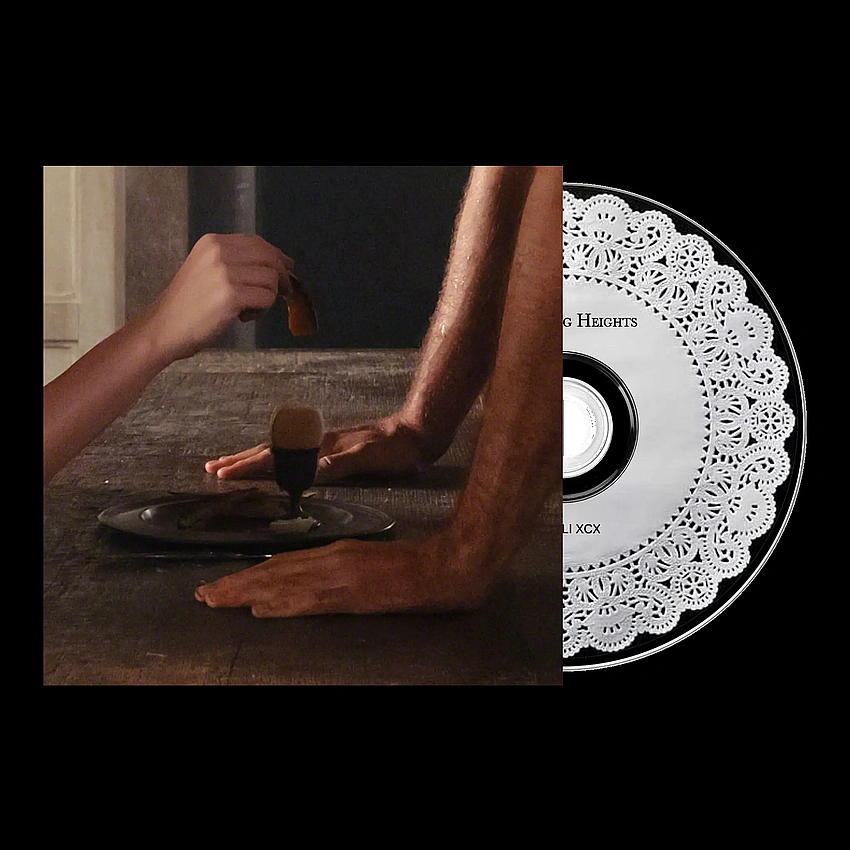
When Charli XCX announces a new album, the pop world listens. But Wuthering Heights (released 13 February 2026) is not a conventional pop project, it’s a film soundtrack born from a collaboration with filmmaker Emerald Fennell for her adaptation of Emily Brontë’s Wuthering Heights, starring Margot Robbie and Jacob Elordi. This geographic and aesthetic shift marks a striking moment in Charli’s artistic journey, away from the kinetic hyperpop of Brat (2024) towards something atmospheric, brooding and evocative.
From Pop Darling to Gothic Storyteller
The backstory of Wuthering Heights is almost mythic in its suddenness. In late 2024, Fennell reached out to Charli to contribute a single song to her film. Charli proposed instead to write an entire album, explaining she wanted to immerse herself in a world that felt “undeniably raw, wild, sexual, gothic, British, tortured”.
This choice is revealing. In a pop landscape often dominated by formulaic chart constructions, Charli’s willingness to lean into the emotional intensity of Brontëan themes of obsession, longing, identity, speaks to a deeper engagement with narrative and affective registers. She didn’t merely score a film; she entered the emotional logic of its source material and let it shape her creative impulses.
Echoes of the Gothic
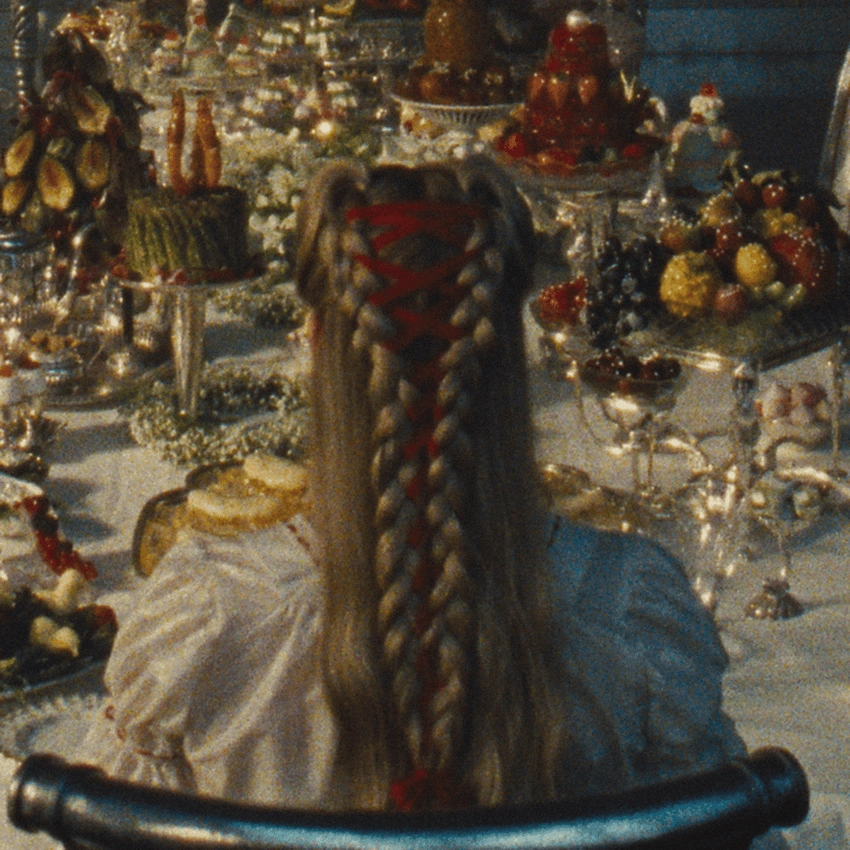
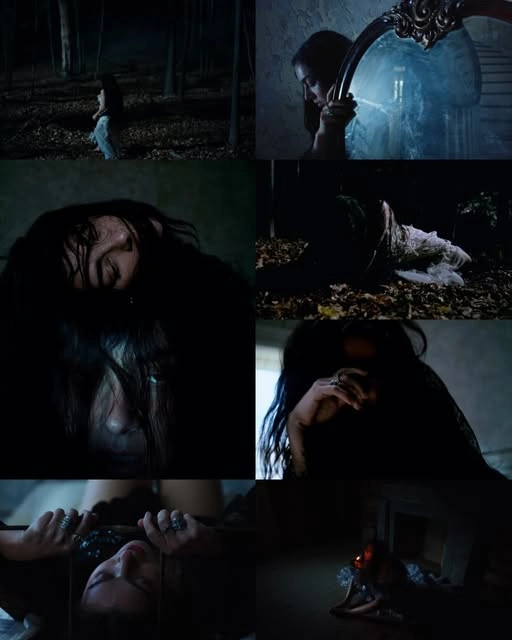
Musically, Wuthering Heights leans into dramatic tension and textural experimentation. The lead single “House”, featuring John Cale of The Velvet Underground, uses distorted instrumentation and spoken word elements to conjure an atmosphere of elegiac unease. Other releases such as “Chains of Love” and “Wall of Sound” blend synth-pop production with string arrangements that both nod to Charli’s electronic roots and gesture towards something classical and cinematic.
From a formal perspective, this is pop as landscape: cold winds, tumbling percussion, lingering reverb. It’s not the glossy club music Charli once championed, nor is it an ironic spin on pastiche. The album carries a sincerity of mood that feels at odds with the satirical tones of The Moment, her recent mockumentary critique of celebrity culture.
Obsession, Romance and the Pop Gothic
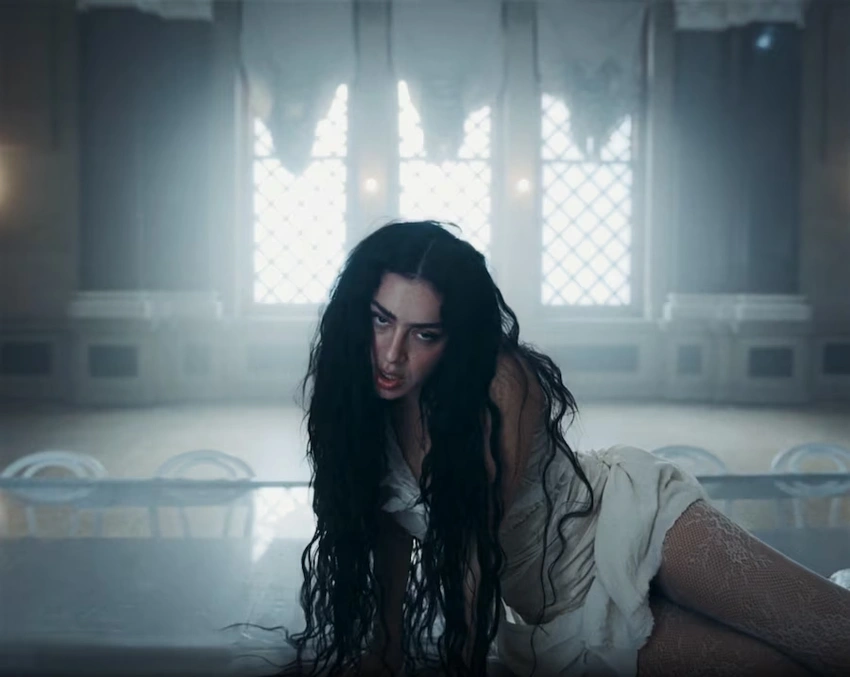
Thematically, the album mirrors the emotional soil of its literary antecedent. Tracks such as “Chains of Love” lyrically engage with love as confinement and desire as a haunting force; motifs familiar to readers of Brontë’s novel, where longing becomes a kind of psychic terrain.
What’s intriguing is how Charli refracts these themes through her own pop idiom. Her vocals often autotuned, layered, almost spectral, navigate a liminal space between vulnerability and performance. In doing so, the album draws a line between the romantic fatalism of 19th-century prose and contemporary pop’s exploration of desire’s digital shadows.

Divided but Significant
Early critical responses reflect the album’s complexity. Some reviewers praise its ambition and atmospheric coherence, noting how it functions as both soundtrack and standalone listening experience. Others, however, find its cinematic density comes at the expense of memorable songcraft, leading to a mixed reception that positions the album as intriguing but uneven.
From a cultural studies viewpoint, this divergence isn’t surprising. Wuthering Heights challenges listeners to decentre the pop canon’s expectations. It is neither the straight-ahead dance record nor the singer-songwriter confessional; it occupies a hybrid space that only the most adventurous artists dare to traverse.
Charli’s Pop Cultural Imprint
It’s worth situating this project in the broader arc of Charli XCX’s career. After the commercial and critical breakthrough of Brat, which firmly cemented her pop credibility, Wuthering Heights feels like an intentional detour into terrain often reserved for indie auteurs or soundtrack specialists.
In literary terms, one might argue that Charli translates the moorland emotional topology of Brontë’s narrative into sound—rekindling a gothic sensibility not as nostalgia but as emotional geometry. In doing so, she redefines what pop music can signify: not just immediacy and hooks, but space, mood and narrative effect.
Listening to Wuthering Heights feels less like consuming an album and more like entering a world. It asks us to reconsider the ways pop music intersects with literature, cinema and cultural memory. For fans of Charli’s earlier hyperpop work, this might be a departure; for those attuned to affective aesthetics and narrative resonance, it’s a compelling artistic statement.
Ultimately, Wuthering Heights isn’t just a film tie-in or a detour from the mainstream—it’s a testament to Charli XCX’s restless creativity and her willingness to let pop music do something larger than itself. Whether it will be beloved universally is another question, but its existence alone enriches the ongoing dialogue about what pop art can achieve.
#CharliXCX #WutheringHeights #EmeraldFennell #MargotRobbie #FilmMusic
