Oil markets brace for months-long Hormuz blockade as Trump weighs lengthy move

Oil markets brace for months-long Hormuz blockade as Trump weighs lengthy move
Oil prices jump as a possible months-long Hormuz blockade rattles markets amid rising U.S.-Iran-Israel tensions and international warnings.
Oil traders were bracing for a potentially months-long disruption as talks over a U.S.-led blockade of Iran's ports stalled and tension in the region kept its supply chain on edge. In Washington, officials said President Trump has asked aides to prepare for a prolonged action and has been weighing measures that could keep ships from Iran's shores for weeks or months. At the same time, Russia's president warned that any new military move could invite damaging consequences, underscoring the international fault lines surrounding the crisis.
Oil prices climbed on the news. Brent crude for June rose to about 119.94 dollars a barrel, continuing a run that saw it gain significantly in the prior session. U.S. West Texas Intermediate for June traded near 107.50 dollars, after a day of strong increases. The market's reaction reflects the fear that the region's supply could remain constrained as talks to end the conflict falter, and that longer disruptions would reverberate through global refineries and inventories.
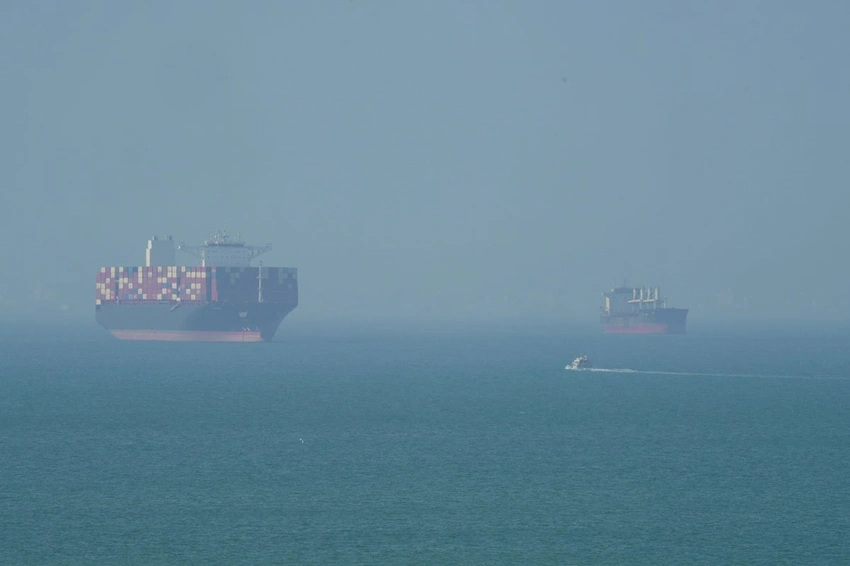
While the White House signaled a willingness to manage the impact, officials asked oil companies for input on mitigation strategies, highlighting the delicate balance between pressure and stability. The potential blockade would channel pressure through the Strait of Hormuz, a chokepoint through which a large share of the world's crude passes, and a move that could ripple beyond energy markets into budgets, inflation and consumer prices around the world. Humanitarian groups have warned that a longer disruption could hamper deliveries of food, fuel and medicine to millions of people, complicating relief efforts already stretched by other crises.
Analysts say the risk premium in oil markets could stay elevated until there is progress toward de-escalation or a clear signaling that naval actions will not extend indefinitely. Markets remain sensitive to every headline from Washington, Tehran or Moscow as the region's oil lifelines face renewed strain. Traders are watching diplomatic channels, commodity inventories and the tempo of sanctions as the situation unfolds.
