Left Leader Declares Bihar Polls Abnormal, Cites 3 Experiments Aiding NDA

Left Leader Declares Bihar Polls Abnormal, Cites 3 Experiments Aiding NDA
CPI(ML)L chief calls Bihar results 'abnormal,' alleging three moves—cash transfers, revised rolls, and land deals— tilted the race in NDA's favor.
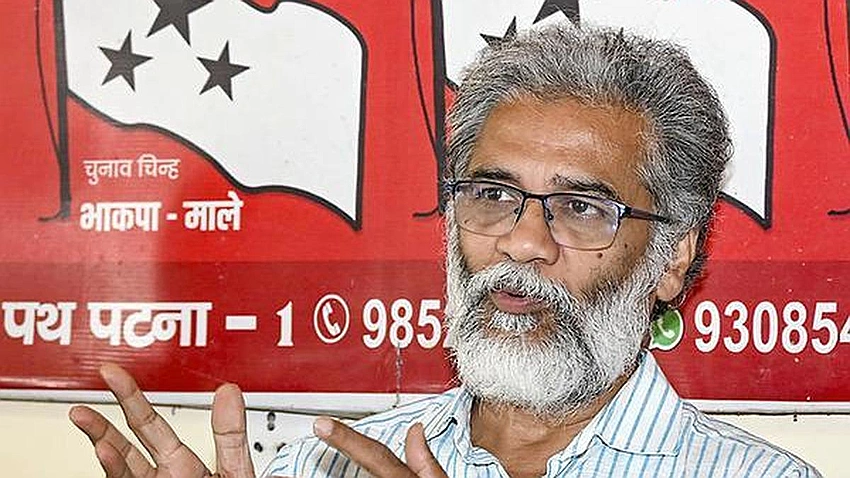
Bihar’s latest assembly election produced a paradox that has sparked debate among political observers. The party dynamics showed the NDA securing a decisive win in seats, while the Mahagathbandhan recorded the highest vote share, particularly the RJD. In this context, Dipankar Bhattacharya, general secretary of CPI(ML)L, described the election outcome as abnormal and attributed it to three so-called experiments that allegedly altered the playing field.
The first factor cited is a Rs 10,000 monetary transfer to women, which Bhattacharya argues mobilized support in ways that could influence voting behavior. The second is a Special Intensive Revision of electoral rolls, a process he says could change the electorate's composition. The third, he contends, involves land transfers to a corporate house, which he claims might have shifted local political dynamics. Taken together, Bhattacharya argues these steps created an uneven playing field that benefited the NDA.
Analysts note the contrast between vote share and seat tally in Bihar’s results, a phenomenon often described by scholars as a byproduct of the first-past-the-post system. While the NDA built broad alliances and converted a substantial share of votes into seats, the opposition’s votes appeared more dispersed, resulting in fewer seats overall despite strong support in several constituencies. Bhattacharya’s remarks add a layer to the ongoing discourse on electoral integrity and the mechanisms that shape political outcomes.
Whether these three moves genuinely influenced the result remains a matter of debate, and no independent verification is presented here. What is clear is that Bihar’s results have renewed discussion about how policy interventions and administrative changes interact with voter behavior and representation, prompting calls for greater transparency and possible audits of electoral processes.
Cover image source: Bihar poll outcome result of three ‘experiments’, claims Dipankar Bhattacharya 🔗
