UK delays Chagos Islands deal as US opposition stalls sovereignty plan

UK delays Chagos Islands deal as US opposition stalls sovereignty plan
Britain delays the Chagos Islands treaty, keeping Diego Garcia under UK control amid US opposition; no final agreement before the King's Speech.
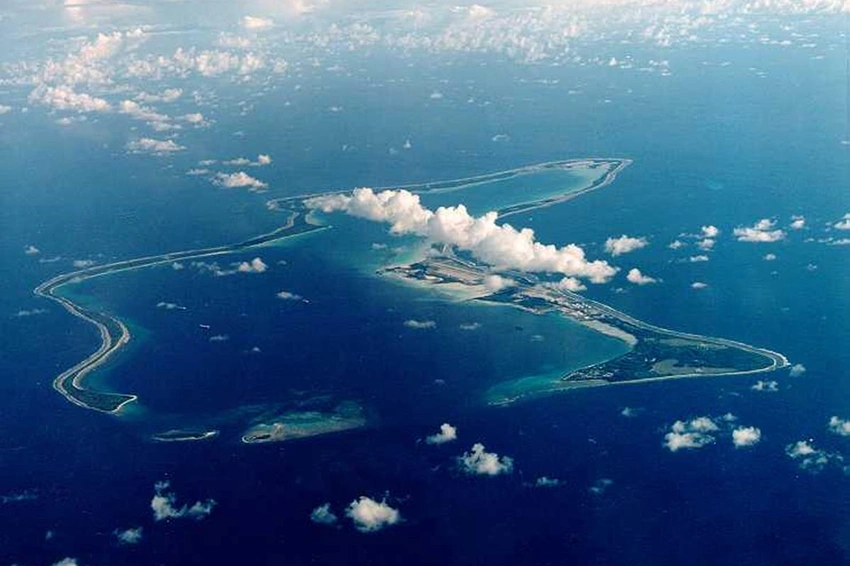
Parliament will not pass the Diego Garcia/BIOT sovereignty bill before the King's Speech, a minister confirmed, leaving the plan’s fate to a potential return in the next session. The proposal would hand sovereignty of the Chagos Islands to Mauritius while preserving UK control over the Diego Garcia military base.
A key hurdle is updating the 1966 Exchange of Notes with the United States to allow the continued joint operation of the base. Washington had originally agreed to the arrangement with Mauritius and has opposed changes that could disrupt this strategic partnership in the Indian Ocean.
In the Commons, Stephen Doughty said it is regrettable that time has run out in the current parliamentary session, but he stressed that the need for the treaty and the necessary legal provisions remains. “It’s regrettable to us that obviously there has been a delay, we’ve run out of time in this parliamentary session. But the facts have not changed in the need for this treaty or indeed the need for the different processes and legal provisions to be brought in place,” he said.
Doughty also noted that progress is stalled by US opposition, which has made it difficult for the bill to complete passage through both Houses. Downing Street had previously argued that transferring sovereignty to Mauritius was the best way to safeguard a vital base on Diego Garcia, but the prime minister’s spokesperson did not commit to reintroducing the legislation in the next term.
The deal’s fate follows the signing of an agreement between the UK and Mauritius last May. Since then, the final draft of the Diego Garcia Military Base and British Indian Ocean Territory Bill has yet to secure agreement in the Commons and Lords. Officials say the next steps could come with the next session beginning on 13 May, though no firm timetable has been set.
Analysts say the issue sits at the crossroads of sovereignty, security, and alliance politics, with the US role pivotal to whether London can finalise a treaty that would reshuffle colonial ties while preserving a critical military presence in the region.
