Mexico Train Derailment in Oaxaca Kills 13, Injures 98, Sparks Safety Debate

Mexico Train Derailment in Oaxaca Kills 13, Injures 98, Sparks Safety Debate
Derailment on the Interoceanic Train in Oaxaca leaves 13 dead, 98 injured; questions rise over safety and rapid flagship rail projects.
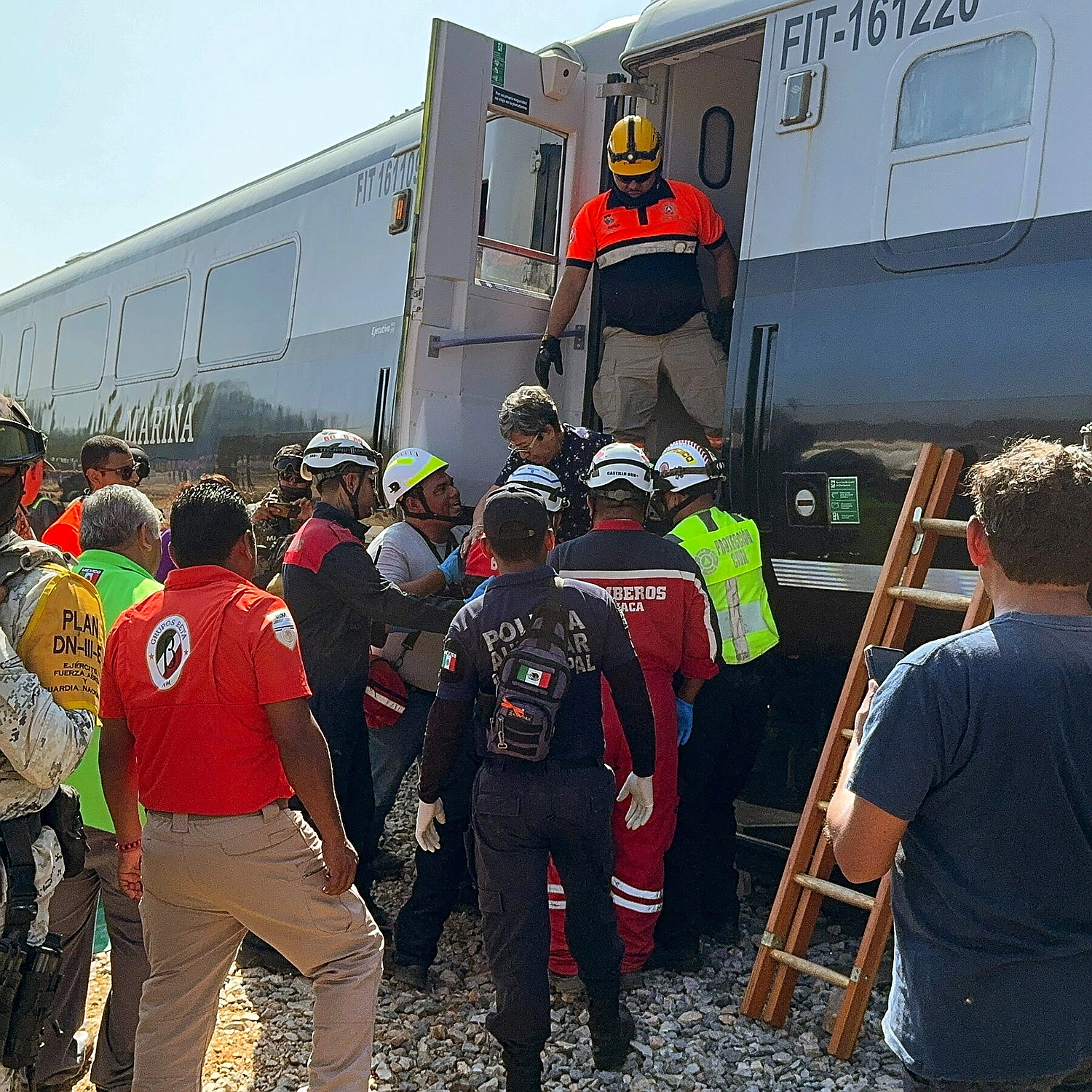
At least 13 people were killed when a train derailed on the Interoceanic Train route near Nizanda, Oaxaca, in a disaster that is likely to renew criticisms of how quickly Mexico’s flagship rail projects were built. The Interoceanic Train links the Atlantic and Pacific oceans across the Isthmus of Tehuantepec, aiming to accelerate development and offer an alternative cargo route to the Panama Canal. About 250 people were on board, with 98 injured, five of them in a critical condition, according to authorities.
President Claudia Sheinbaum said she would travel to Oaxaca to meet survivors and families and to rigorously clarify what caused the accident. The train was one of the bold infrastructure endeavors associated with her predecessor and ally, Andrés Manuel López Obrador, whose term recently ended. The derailment comes as Mexico continues to push the Maya Train project and other mega-rail ambitions that critics say raise safety and transparency concerns.
The Interoceanic Train has already seen multiple incidents this year, and the three derailments to date are renewing questions about how quickly these projects were rushed to completion. The line’s construction was overseen heavily by the military, a development that has drawn debate about oversight and accountability. Critics argue that speed and heavy-handed management may compromise safety, while supporters say the projects are essential for regional economic growth.
Authorities have promised a thorough investigation to determine the causes and to implement any needed safety measures. In the meantime, the derailment has halted traffic on a corridor seen as pivotal for connecting the Pacific and Gulf coasts and driving development across the region. The story is unfolding as rescue teams continue their work and officials assess the broader implications for the government’s rail ambitions.
