Bumble Shakes Up Dating: Men Can Now Message First!

Bumble Shakes Up Dating: Men Can Now Message First!
Major shift at Bumble! The dating app is dropping its women-first messaging rule, allowing anyone to initiate contact & extending response times. Discover why!
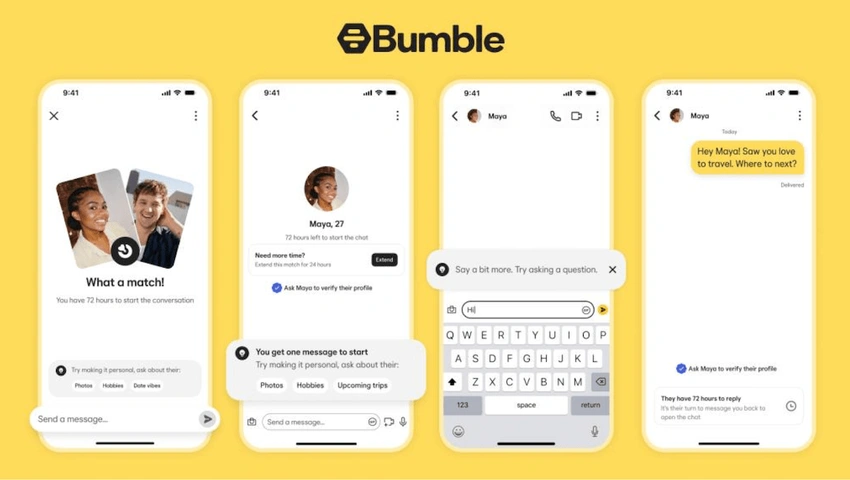
Bumble, the popular dating app known for its 'women-first message' rule, has officially announced a significant change to its core functionality. After more than a decade, the platform will now allow any match to send the first message, moving away from its defining feature where only women could initiate conversations in heterosexual matches.
In addition to this major update, Bumble is also extending the response window for matches from 24 hours to 72 hours. This change aims to alleviate pressure on users, providing more flexibility and reducing the need to constantly check the app or risk a match disappearing. The company hopes this will encourage more meaningful connections by giving users ample time to craft thoughtful replies.
Launched in 2014, Bumble carved out a niche by positioning itself as a more considerate alternative to other dating apps, empowering women to control the initial conversation and filter out unwanted messages. However, Bumble founder and CEO Whitney Wolfe Herd framed the new update as an 'evolution' rather than a departure from the company's original mission.
Herd stated,
While women making the first move was a radical idea, being women-first was never about prescribing just one way to connect. It was about designing an experience with women's needs in mind to create better outcomes for everyone.
The decision comes after internal survey data revealed that a substantial 66% of women preferred men to send the first message, with many citing reduced stress as a primary reason.
Furthermore, more than half of the members surveyed expressed that the longer response window significantly improved their overall experience.
This move reflects a broader industry trend where dating app companies are grappling with user fatigue and seeking ways to boost engagement and user satisfaction by adapting to evolving preferences. Bumble asserts that its community is now asking for "more flexibility, less pressure, and more opportunities to create real, meaningful connections," which this new experience aims to provide.
