India Budget Signals Growth Drive: High-Value Farming & Services

India Budget Signals Growth Drive: High-Value Farming & Services
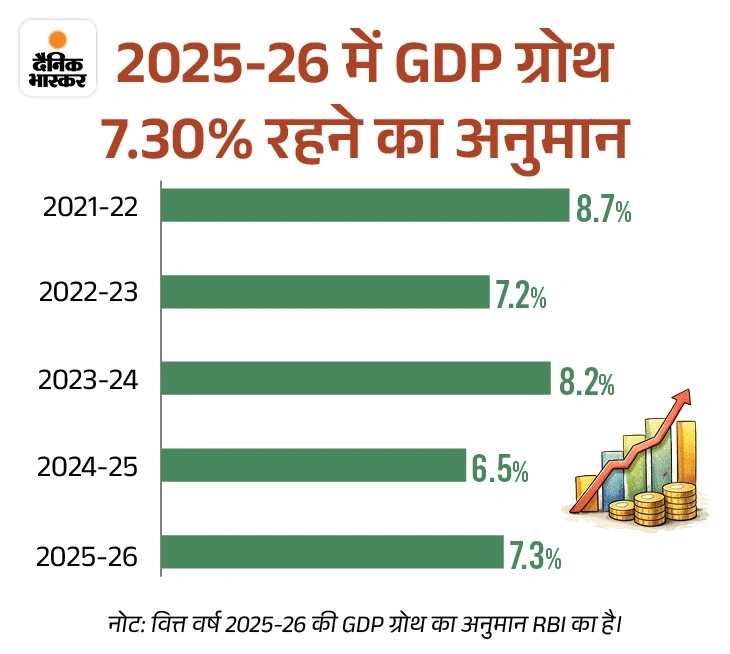
The budget prioritizes high-value agriculture, a robust services push toward 2047, and a manufacturing revival, with nominal GDP growth pegged at 10% for FY27.
The budget is framed as a push for revival in growth by aligning inflation dynamics with expansion, with analysts noting that nominal GDP growth is pegged at 10% for FY27. The risk, some say, is that growth could come in a shade higher as the GDP deflator normalises, potentially reshaping the budgetary math. Beyond the numbers, the plan hints at India’s larger ambitions: a continued emphasis on high-value agriculture, leveraging the country’s service sector strengths, and a concerted effort to boost manufacturing across both cutting-edge and labour-intensive sectors. In short, the government appears to be steering policies toward targeted income-boosting for farmers while expanding the capabilities of the service economy to power long-term growth.
On agriculture, the budget signals a shift from cereals and pulses to high-value crops such as coconuts, cashews, almonds, sandalwood and cocoa. This tilt suggests a strategic bet on higher earnings per hectare and value-added farming, though observers caution that it may not resolve the broader viability issues facing Indian agriculture. The emphasis is less on blanket farm income increases and more on selective, income-supporting avenues that could improve farm profitability in the near term while modernising farming practices.
The service sector remains a centerpiece, with an ambitious target of capturing 10% of the global service share by 2047. World Bank benchmarks put India’s services value added at 2.7% of the world’s total in 2023, a share that has grown slowly since 1995. The plan envisions a turnaround powered by a mix of investment in data centres established by foreign companies and a broader shift in employment, ranging from trekking guides to allied health professionals and content creators, all tailored to a world increasingly driven by AI and digital services. Alongside these shifts, the budget signals a continued push to revive manufacturing, aiming to create a more balanced growth model that blends high-tech sectors with labour-intensive production to broaden job opportunities and export potential.
