Rubio: Transatlantic Ties Endure at Munich Amid Tensions

Rubio: Transatlantic Ties Endure at Munich Amid Tensions
US Secretary of State Marco Rubio reassures Europe that the transatlantic alliance remains strong at Munich, even as trade, migration, and UN criticisms spark debate.
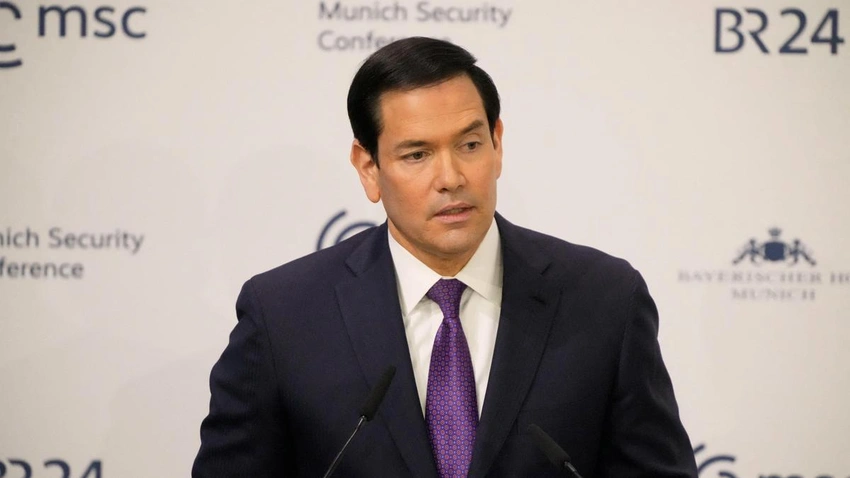
At Munich Security Conference, US Secretary of State Marco Rubio delivered a keynote that blended rivalry with reconciliation, signaling that the United States still views Europe as a core partner. The hall was packed with world leaders, including French President Emmanuel Macron, German Chancellor Friedrich Merz and UK Prime Minister Sir Keir Starmer, all there to hear what the American top diplomat had to say about a changing but crucial relationship.
Early in the address, Rubio did not shy away from thorny topics. He criticized free trade policies, mass migration, and climate policies, describing some measures as harmful to America’s economy and even referring to a 'climate cult' in passing. He also criticized the United Nations for failing to resolve conflicts in Gaza and Ukraine, a line that underscored the friction still present in transatlantic diplomacy.
But the mood shifted as Rubio pivoted toward unity. He proclaimed, "Our destiny will always be intertwined with yours (in Europe)," and added that "the end of the transatlantic era" is neither the goal nor the wish of the United States, insisting, "we will always be a child of Europe." He spoke of unshackling creativity and promoting shared innovation as vehicles for a renewed partnership, stressing the deep historical ties that bind the two continents.
Observers described the moment as a recalibration: a clear message that the United States seeks to revitalize its alliance with Europe even as it maintains the right to set terms and priorities in a shifting security landscape. The exchange came as Europe’s biggest security conference underscored the resilience of an alliance facing new geopolitical challenges, from trade frictions to security commitments across the region.
As the applause rose and the leaders absorbed Rubio’s remarks, the moment captured a central tension of the age: how to preserve a long-standing partnership amid competing policies, priorities, and personas, while keeping the transatlantic channel open for future cooperation.
