Nine-judge SC to decide on Sabarimala women entry and religious freedom

Nine-judge SC to decide on Sabarimala women entry and religious freedom
A nine-judge bench will rule on the scope of religious freedom and judicial review, touching Sabarimala and wider faith-based practices.
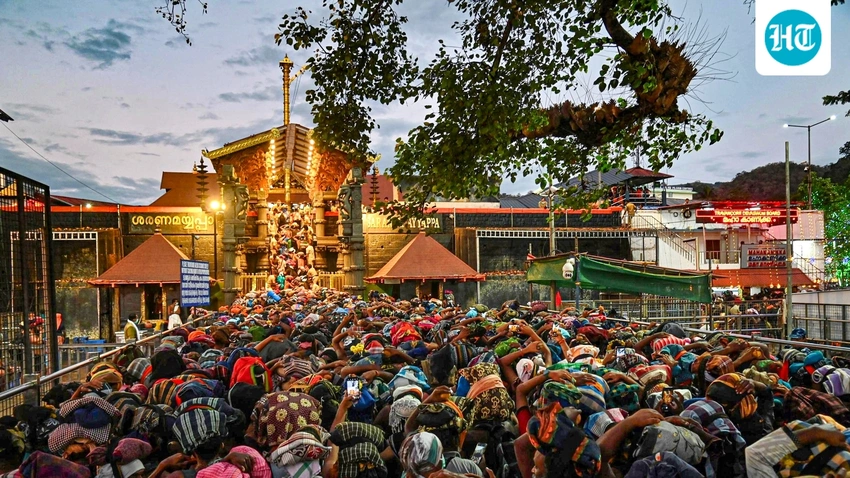
A nine-judge Supreme Court bench will hear pleas challenging religious discrimination against women at the Sabarimala Ayyappa temple and will examine the scope and extent of judicial review under Article 25 of the Constitution. The proceedings signal a pivotal moment as the court weighs how far the state can intervene in faith-based rules that worshippers consider essential.
The case traces back to the 2018 verdict that allowed women of menstruating age to enter Sabarimala. In November 2019, a majority judgment led by the then Chief Justice of India had initially referred the Sabarimala review and related writ petitions to a seven-judge Bench. That reference, however, was not limited to Sabarimala; it was framed more broadly to explore questions about ecclesiastical practices and constitutional protection for essential religious practices, as well as the limits of judicial intervention in such matters. The Gogoi-led bench had grouped the Sabarimala matter with petitions concerning other faiths, including the rights of Muslim women to enter mosques, Parsi women who marry outside their faith to access their places of worship, and the Dawoodi Bohra community’s practice of female genital mutilation.
Now, a nine-judge panel will settle core constitutional questions about the scope of religious freedom and the power of courts to review religious practices. Government submissions have emphasized that the attributes of a deity are not open to judicial review, signaling a doctrinal stance that could influence how broadly the court allows scrutiny of faith-based rules. The hearing promises to test the boundary between protecting gender equality and preserving religious autonomy across multiple faiths, potentially shaping future debates on Article 25 and related provisions.
As India watches, the outcome could redefine how religious practices are treated under the Constitution and clarify when the judiciary can intervene in matters some communities regard as sacred. The proceedings are being watched closely by activists, legal scholars, and faith groups, who see this as a defining moment for balancing constitutional rights with religious tradition.
