Mirror Anxiety: When Your Reflection Starts Controlling Your Day

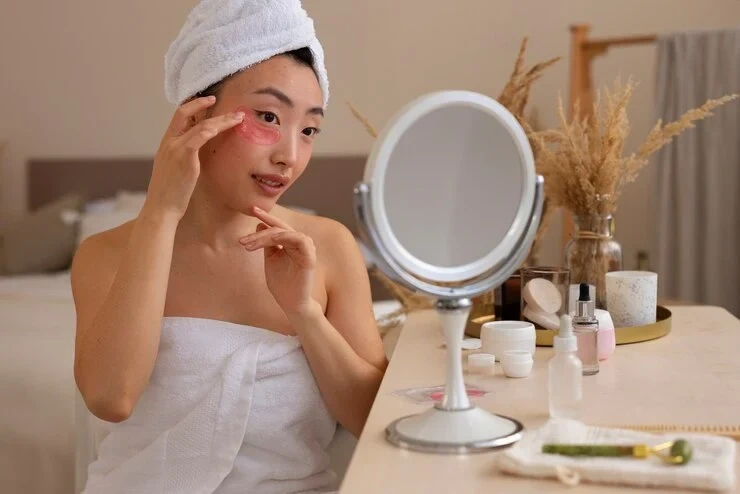
Mirror Anxiety: When Your Reflection Starts Controlling Your Day

Most people check the mirror without thinking. A quick glance before leaving home, a casual look in an elevator, a small adjustment in a restroom. But for those struggling with unpredictable skin, the mirror can become something else entirely. A judge. A warning system. A mood switches. On mornings when a new breakout appears, even reaching for something like a deep cleansing face wash 🔗 can feel less like hygiene and more like damage control.
The First Look That Sets the Tone
Psychologists talk about “thin slicing” the brain’s ability to make fast judgments based on minimal information. When you see your reflection first thing in the morning, your brain forms a rapid emotional interpretation. Good skin day equals confidence. Bad skin day equals caution.
This reaction happens before logic intervenes. It is not vanity. It is pattern recognition tied to past experiences. If previous breakouts led to embarrassment or comments, the brain learns to treat them as social risks.
How Mirrors Become Feedback Loops
Once anxiety is activated, behaviour changes. People check their reflection more often, searching for reassurance or monitoring changes. Ironically, this increases distress because the brain keeps reprocessing the perceived flaw.
Common mirror-loop behaviours include:
• Checking from multiple angles
• Using harsh lighting to inspect pores
• Touching or pressing the skin
• Comparing today’s appearance to yesterday’s
• Avoiding mirrors altogether
Both hyper-checking and avoidance reinforce the same underlying anxiety.
Why Skin Issues Feel So Public
Unlike most health concerns, skin conditions are visible. They cannot be hidden the way fatigue, stress, or headaches can. This visibility creates a sense of exposure, even when no one else is paying attention.
Research on appearance-related anxiety suggests that people consistently overestimate how much others notice their perceived flaws. What feels obvious to you may be nearly invisible to someone else.
The Physiology of Stress Breakouts
Mirror anxiety can trigger a biological response. Stress increases cortisol, which stimulates sebaceous glands to produce more oil. Inflammation rises, healing slows, and pores clog more easily. The anxiety about your skin can literally worsen your skin.
According to the American Academy of Dermatology, acne affects up to 50 million Americans each year, making it the most common skin condition in the United States.
This statistic underscores how universal the experience is, even though it often feels isolating.
Skincare as a Stabilizing Ritual
Routines can interrupt anxiety cycles by providing structure. Instead of repeatedly checking the mirror, you perform a set sequence of actions that signal completion. Cleanse, treat, moisturize, protect. Done.
This ritual creates psychological closure. You have taken care of the issue, so the brain can move on to other tasks.
Consistency matters more than complexity. Familiar steps reduce decision fatigue and emotional volatility.
Targeted Care Reduces Obsession
Large, complicated routines can unintentionally increase focus on the problem. Targeted solutions localize attention. Treat the blemish, then step back.
Protective coverings are particularly effective because they serve multiple purposes:
• They shield the area from touching
• They create a visible boundary
• They allow treatment to continue passively
• They reduce the urge to inspect constantly
This frees cognitive space for work, relationships, and daily life.
Lighting, Angles, and the Illusion of Severity
Bathroom lighting is notoriously unforgiving. Overhead fluorescent lights emphasize texture, shadows, and redness. Viewing your skin only under these conditions creates a distorted perception of severity.
Natural daylight or soft ambient lighting often reveals a much more balanced appearance. Many people report shock when they see photos taken outdoors compared to their bathroom reflection.
Changing lighting conditions can be a surprisingly powerful intervention for mirror anxiety.
Sun Protection as Confidence Insurance
Post-acne marks darken with UV exposure, making breakouts appear more persistent than they are. Daily sun protection prevents this compounding effect.
Beyond medical benefits, this step provides a sense of proactive control. You are protecting your future appearance, not just reacting to current issues.
Breaking the Touch-Pick Cycle
Touching and picking are often unconscious responses to anxiety. Once the behavior begins, it can escalate quickly, transforming minor blemishes into inflamed wounds that last weeks.
Strategies to interrupt this cycle include:
• Keeping hands occupied
• Using protective coverings
• Applying calming products that reduce tactile irritation
• Setting “no touch” rules during certain activities
Reducing physical interference dramatically improves healing outcomes.
When Avoidance Becomes Freedom
Some people cope by avoiding mirrors altogether, which can provide short-term relief. However, total avoidance prevents desensitization. A healthier approach is controlled exposure brief, neutral checks without detailed inspection.
Look, note, proceed. No zooming in. No leaning forward. No squeezing.
Over time, this retrains the brain to treat the reflection as neutral information rather than a threat signal.
Reframing What People Actually Notice
Humans are wired to focus on eyes, facial expressions, and movement, not individual pores or blemishes. Social perception research shows that attention is drawn to dynamic features rather than static imperfections.
Your smile, voice, posture, and energy communicate far more than a temporary breakout.
Remembering this can reduce the sense of being scrutinized.
Conclusion
Mirror anxiety is not about vanity. It is about uncertainty, visibility, and the human desire for social acceptance. When your reflection feels like it controls your mood, the solution is not endless inspection or aggressive treatment. It is creating systems that restore a sense of stability. Small supportive tools, including discreet protectors like a hydrocolloid acne patch, 🔗 can help manage breakouts while preventing behaviours that prolong distress. With time, the mirror can return to being just a mirror, not a verdict.
CTA
If unpredictable skin is affecting your confidence, explore thoughtfully designed essentials at World of California 🔗. Reliable, targeted solutions can help you focus less on your reflection and more on living your day.
FAQs
Is mirror anxiety common with acne-prone skin?
Yes. Visible conditions often trigger heightened self-awareness and repeated checking behaviours.
Can stress from worrying about my skin cause more breakouts?
Yes. Elevated cortisol increases oil production and inflammation, which can worsen acne.
Do protective patches really help prevent picking?
Yes. They create a physical barrier that reduces unconscious touching and speeds healing.
Why does my skin look worse in the bathroom mirror than in photos?
Harsh overhead lighting exaggerates texture and redness, making imperfections appear more severe.
How can I stop checking my skin constantly?
Set specific times for brief checks, avoid magnifying mirrors, and keep your hands occupied during idle moments.
