More Tracks Promise Faster Journeys Across India’s Busiest Rail Corridors

More Tracks Promise Faster Journeys Across India’s Busiest Rail Corridors
More Tracks Promise Faster Journeys Across India’s Busiest Rail Corridors
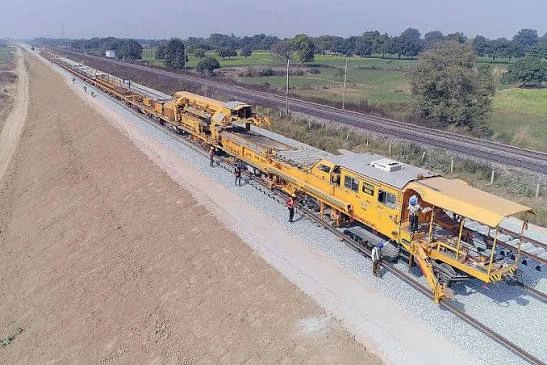
Indian Railways will add tracks on seven high‑density routes covering 11,000 km to reduce congestion, run more trains, and deliver faster journeys.
Indian Railways is finally addressing its biggest choke points. Seven high‑density corridors, stretching nearly 11,000 km, are being expanded into four‑line networks. These routes, including Delhi‑Howrah, Chennai‑Mumbai, and Delhi‑Guwahati, carry 41% of all rail traffic despite forming just 16% of the network.
The plan is simple. More tracks mean less congestion. Less congestion means more trains. More trains mean faster journeys. Railway Minister Ashwini Vaishnaw summed it up in one line: “More tracks less congestion more trains faster journey.”
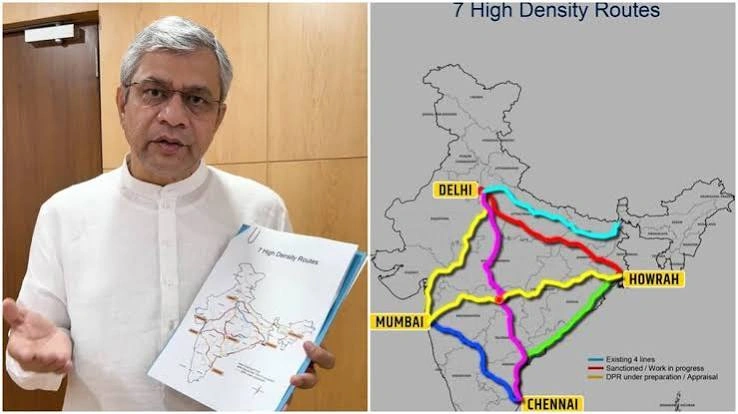
For passengers, this expansion promises shorter travel times and more reliable schedules. For freight, it means reduced logistics costs and a greener alternative to road transport. India’s economy has long suffered from high logistics expenses. By shifting more goods to rail, the government hopes to cut costs and emissions simultaneously.
But challenges remain. Land acquisition is a perennial hurdle. Construction on active lines risks delays and operational disruptions. Execution risks are real, and past projects have shown how easily timelines slip. Yet the scale of this initiative signals intent. It is not just about easing today’s congestion. It is about preparing for tomorrow’s demand.
The four‑tracking programme is more than an infrastructure upgrade. It is a statement of ambition. India wants its railways to be faster, cleaner, and more efficient. If delivered on time, this expansion could redefine how millions travel and how billions of tonnes of freight move across the country. The tracks are being laid not just for trains, but for growth.
