Critics Slam 'Practical Magic 2': Who Really Matters, Fans or Experts?

Critics Slam 'Practical Magic 2': Who Really Matters, Fans or Experts?
When a highly anticipated sequel like Practical Magic 2 gets panned by critics but embraced by fans, it begs the question: whose opinion truly counts in entertainment? Dive into this age-old debate.
It’s an age-old conundrum in the entertainment world: the chasm between critical reception and audience adoration. We've seen it time and again, but the recent release of Practical Magic 2 has thrown this debate into stark relief once more.
The Critics' Verdict
Barely out of the gate, Practical Magic 2 landed on Rotten Tomatoes with a dismal 34 percent approval rating. Critics didn't hold back. Complaints ranged from a harsh, bright lighting scheme that contrasts sharply with the original's moody aesthetic, to key characters being sidelined.
Many found the extensive use of CGI robbed the film of the 'minimalistic magic' that made the first so compelling.
The setting shift to London also raised eyebrows, “Why the hell are we in London, anyway?”, especially when the iconic New England Owens family home, a fan favorite for decades, was barely featured.
And let's not forget the runtime: a hefty 130 minutes, nearly half an hour longer than the original.
For many, it seems the sequel simply missed the mark.
A History of Misunderstanding
Here's the kicker: the original 1998 Practical Magic , based on Alice Hoffman's novel and directed by Griffin Dunne, also faced a barrage of negative reviews upon its release. Critics were particularly vexed by its tonal shifts, unsure if it was a rom-com, horror, or drama. Yet, as Dunne explained, these shifts were entirely intentional, reflecting life's blend of light and dark.
Producer Denise Di Novi, who worked on both films, even recalled the rampant sexism in the industry at the time.
She recounted critics' comments about “too many women” in the movie, a notion that sounds absurd today.
Despite the initial critical thrashing, the film steadily grew into a beloved cult classic, a comfort watch for countless fans who cherished its chunky knit cardigans, velvet dresses, and the enchanting aunts (Dianne Wiest and Stockard Channing) who served chocolate for breakfast.
For the Fans, By the Fans
This history is crucial because it highlights a fundamental truth: some films aren't made to be high art, nor are they intended for the exacting gaze of professional critics. They're made for a specific audience. Practical Magic 2 is a prime example.
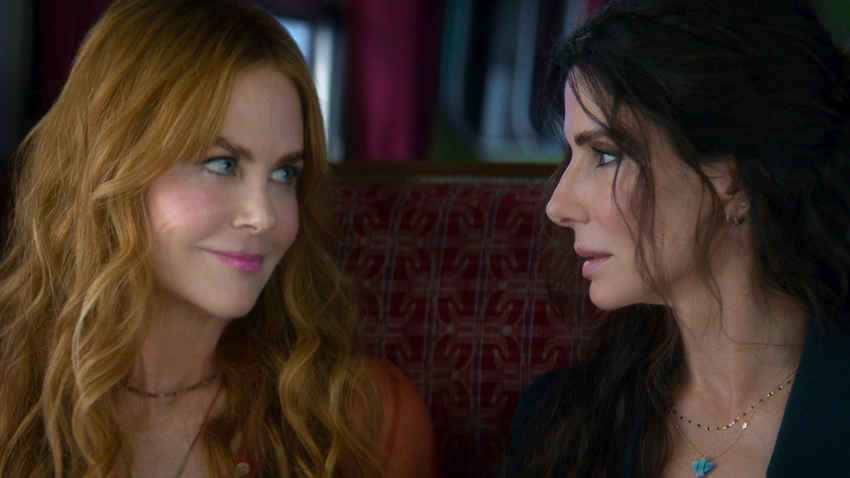
It wasn't crafted for those analyzing cinematography or narrative structure; it was made for the fans who’ve spent nearly three decades waiting to see Sandra Bullock’s Sally and Nicole Kidman’s Gillian together again. It’s for those who host 'midnight margarita parties' every Halloween and proudly display rearview mirror decals that declare, 'the belladonna is in my bag.'
These films offer nostalgia, a celebration of sisterhood, and an escape into a familiar, magical world.
They fulfill a desire for comfort and continuity, not necessarily groundbreaking cinema.
For these viewers, the sequel is less about critical perfection and more about the simple joy of reuniting with characters they love.
So, Whose Opinion Truly Matters?
When a film like Practical Magic 2 sparks such a dramatic divide, it compels us to ask: in the world of entertainment, whose opinion ultimately holds more weight? Is it the expert, who dissects and critiques through an analytical lens, or the passionate fan, whose emotional connection and loyalty sustain a franchise for decades?
Perhaps there’s no single right answer. But one thing is clear: for many, a film's true success isn't measured in Rotten Tomatoes scores, but in the magic it brings to a loyal audience, regardless of what the critics say.
