Tharoor on Narayana Guru: Kerala’s transformative reformer

Tharoor on Narayana Guru: Kerala’s transformative reformer
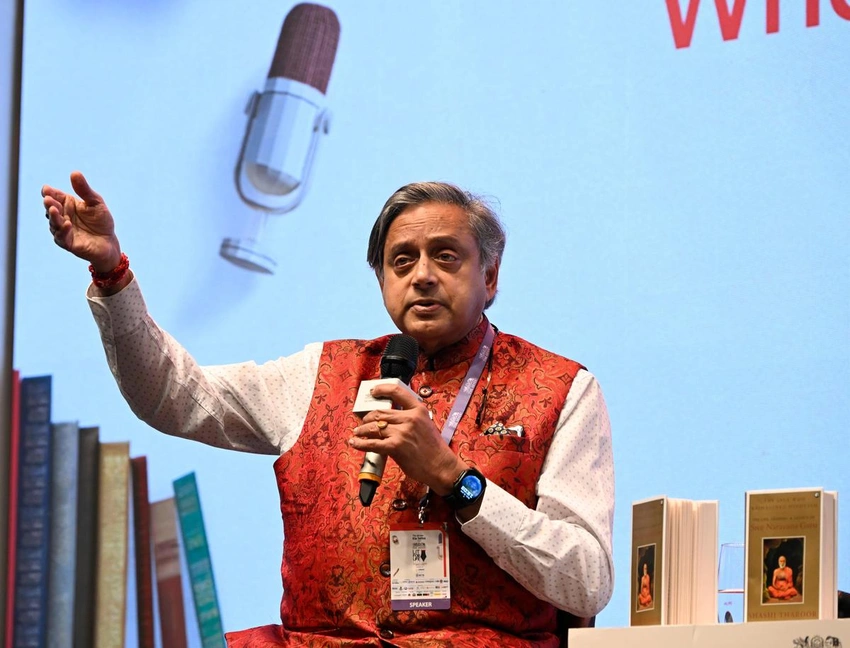
Shashi Tharoor reflects at The Hindu Lit for Life on Narayana Guru’s transformative legacy in Kerala and how his reform of caste reshaped Hinduism.
At The Hindu Lit for Life in Chennai, Shashi Tharoor spoke about his book The Sage Who Reimagined Hinduism and the enduring legacy of Sree Narayana Guru. Tharoor argued that Guru’s influence on Dalits in Kerala was not only profound but arguably deeper and more transformative than the changes brought by Dr. B.R. Ambedkar in northern India. He described growing up outside Kerala with only a vague sense of Guru, and how moving to the state opened his eyes to the saint’s pervasive presence. In Kerala, Tharoor noted, virtually every neighborhood and many corners of his own Thiruvananthapuram constituency host a shrine to Narayana Guru, making him a living force in everyday life. He stressed that the book aims to distill the life, lessons, and enduring relevance of a reformer whose ideas continue to challenge and refine understandings of Hinduism and caste today.
Tharoor highlighted the astonishing poll results many Keralites conducted at the turn of the millennium, which named Narayana Guru the greatest Malayalee of all time. The public sentiment, he suggested, reflects a deeply rooted reverence for a reformer who reimagined not just a faith but a society, with his teachings shaping attitudes toward caste and social inclusion across generations. This cultural resonance, Tharoor argued, underscores why Guru’s work remains a touchstone for discussions about equality, spirituality, and community life in modern India.
In comparing Narayana Guru to other reformers, Tharoor positioned the saint at the highest plane for his dual achievement: transforming both Hinduism’s understanding of faith and the social fabric of Hindu society—an impact that, in his view, extended beyond Kerala and influenced broader Indian conversations about caste and reform. He recalled Swami Vivekananda’s sharp critique of Kerala’s caste discrimination, describing the state as a region that had long struggled with deeply entrenched social hierarchies. Tharoor contended that Guru’s approach offered a different path—one that used spiritual reform as a vehicle for social change, challenging entrenched systems while preserving a coherent religious identity.
The conversation at LFL 2026, anchored in Tharoor’s book, framed Narayana Guru as a figure whose ideas remain astonishingly relevant a century later. By centering on Guru’s life and legacy, Tharoor invited listeners to reconsider the links between faith, power, and social justice. The discussion also highlighted the broader question of how regional reformers can influence national conversations on caste, dignity, and citizenship. The evening left the audience with a renewed sense of the urgency of understanding reform movements not only as historical episodes but as living legacies that continue to shape Indian society today.
