The Brutal History Of Brutalist Architecture

The Brutal History Of Brutalist Architecture
The Brutal History Of Brutalist Architecture
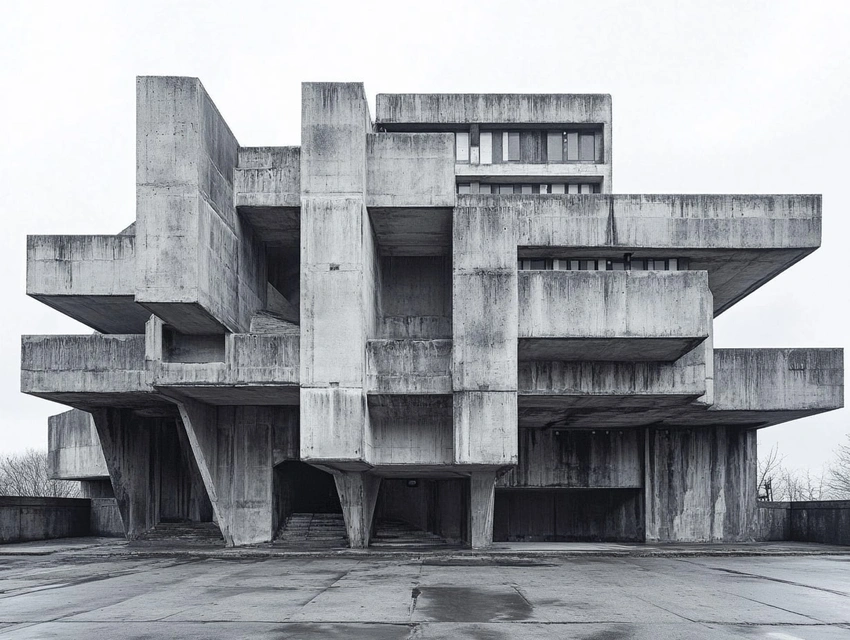
There is something deeply unsettling about Brutalist architecture. Not merely because of the concrete. Not because the buildings look severe, monolithic, or vaguely dystopian. The discomfort comes from the history embedded inside them. Brutalism is architecture born from catastrophe. It emerged from war, austerity, displacement, and the anxious optimism of rebuilding societies that had already witnessed mass destruction.
Today, Brutalism survives as an aesthetic on Pinterest boards and fashion editorials. Concrete towers are photographed in soft grey light and described as “minimalist”. Yet the real history of Brutalism is far harsher than its contemporary internet afterlife suggests. These buildings were never designed to be pretty. They were designed to solve crises.
 Concrete After the Apocalypse
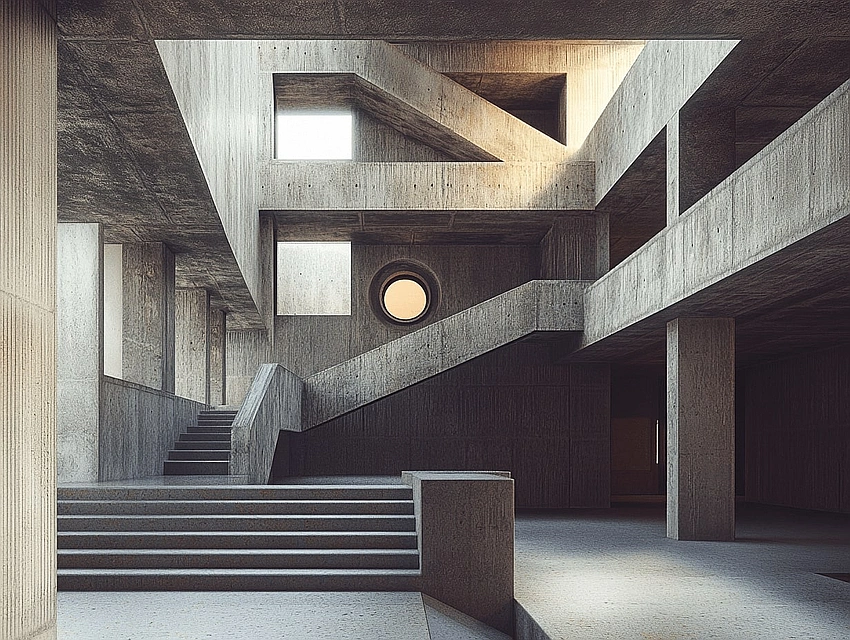
Brutalism emerged in postwar Europe during the 1950s, particularly in Britain, where entire cities still carried the scars of the Second World War. Bombing campaigns had flattened housing, civic centres, and infrastructure. Governments needed buildings quickly, cheaply, and at massive scale. Concrete became the material of necessity.
The term “Brutalism” did not originate from brutality itself, although the association feels strangely appropriate. It comes from the French phrase béton brut, meaning “raw concrete”, popularised through the work of Le Corbusier. Architectural critic Reyner Banham later connected the term to a broader architectural ethic centred on honesty of materials and social responsibility.
But there was always something contradictory about the movement. Brutalism promised social equality through architecture while simultaneously producing buildings that many people experienced as alienating. Its vast concrete forms attempted to embody democratic ideals, yet they often resembled fortresses.
This contradiction is what makes Brutalism historically fascinating. It is architecture shaped by utopian ambition and institutional violence at the same time.
 The Welfare State in Concrete
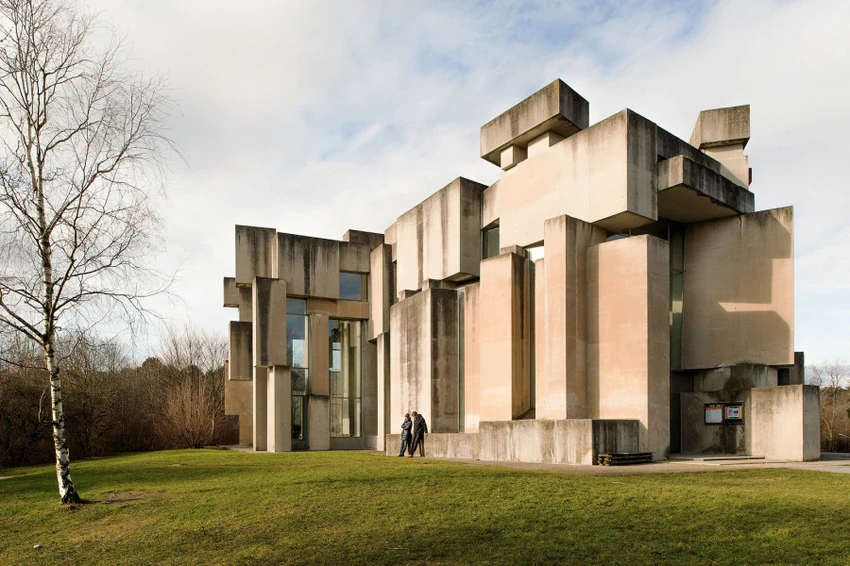
Postwar governments believed architecture could engineer a better society. In Britain, Brutalist housing estates became tied to socialist principles and welfare-state planning. Tower blocks, walkways, and communal courtyards were imagined as solutions to overcrowding and class inequality.
Projects such as the Barbican Centre or Robin Hood Gardens were not merely buildings. They were ideological experiments. Architects believed urban life could be redesigned into something more communal, rational, and egalitarian.
Yet many of these projects emerged through the demolition of older working-class neighbourhoods. Communities were displaced in the name of progress. Streets with histories, local businesses, and informal social networks disappeared beneath concrete megastructures. Brutalism therefore became entangled with a modernist fantasy that often valued planning over lived human experience.
The irony is painful. Buildings intended to create collective belonging frequently produced emotional estrangement instead.
 Why Brutalism Feels Authoritarian
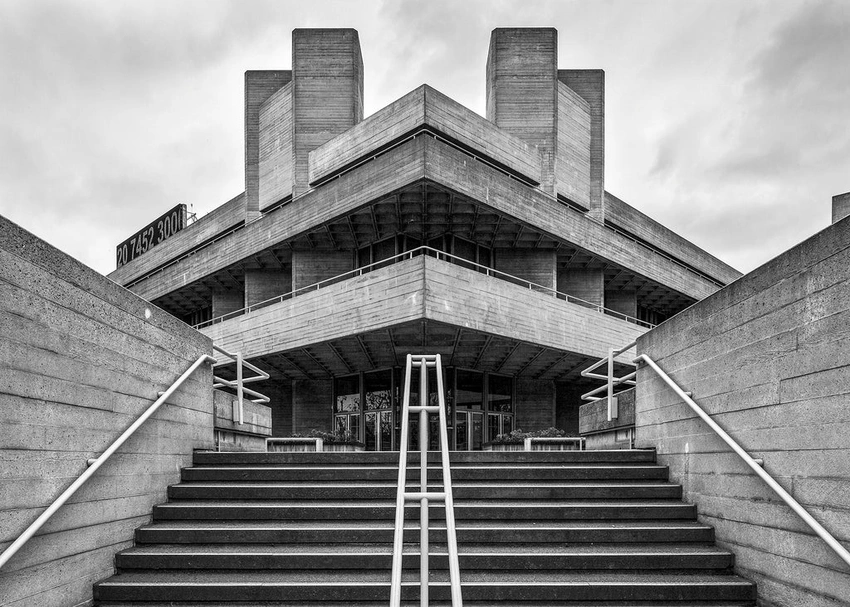
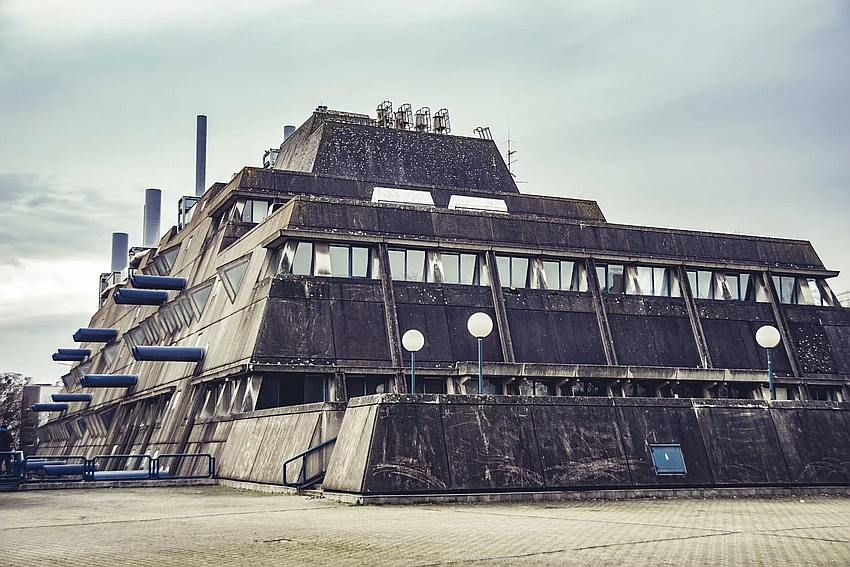
Part of Brutalism’s enduring unease comes from scale. These structures dwarf the individual. Their repetitive geometries and exposed concrete surfaces create a sense of institutional permanence, almost as if the buildings themselves are indifferent to human vulnerability.
Critics have long associated Brutalism with authoritarianism and urban decay. Universities, government complexes, housing estates, and civic centres adopted the style because it projected strength and functionality. But strength can easily become intimidation.
In Eastern Europe and parts of the Soviet bloc, similar architectural styles became visually linked to state power. Concrete transformed into a political language. It communicated endurance, control, and collectivism.
Even in democratic societies, Brutalist buildings often feel disciplinary. One walks through them rather than inhabits them comfortably. Corridors stretch endlessly. Public plazas appear windswept and exposed. Windows sometimes seem secondary to mass itself.
The architecture reflects the psychology of the Cold War era. Anxiety becomes spatial.
 Weather, Neglect, and the Failure of Utopia
Brutalism’s decline during the late twentieth century was not only aesthetic. Many buildings physically deteriorated. Concrete stains easily in damp climates. Steel reinforcements corrode. Maintenance costs became enormous.
As cities faced economic decline during the 1970s and 1980s, many Brutalist estates became associated with neglect, poverty, and crime. The utopian promises of postwar modernism began to look hollow. Instead of representing social progress, these structures increasingly symbolised governmental failure.
Television and cinema amplified this perception. Brutalist environments became shorthand for dystopia. Films set in authoritarian futures repeatedly used concrete megastructures because the architecture already carried emotional associations with surveillance and alienation.
And yet, despite decades of criticism, many Brutalist buildings survived demolition campaigns. Some are now protected heritage sites.
That reversal says something important about cultural memory.
 The Internet’s Romanticisation of Ruins
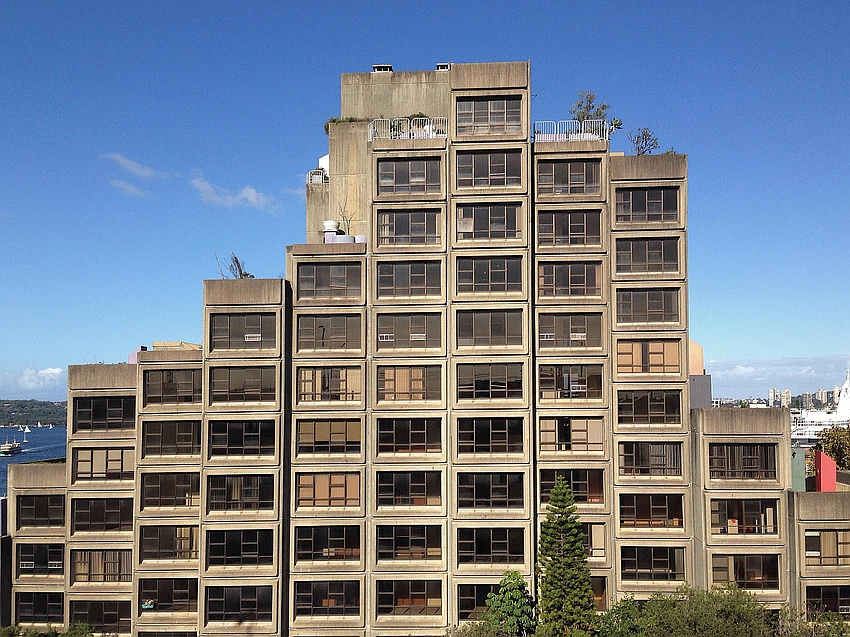
The contemporary revival of Brutalism is strange because it often strips the architecture of its political context. Online, Brutalism is frequently reduced to mood. Grey concrete becomes aestheticised into “clean minimalism” or “retro futurism”.
But these buildings are not abstract sculptures. They are historical documents.
To photograph a Brutalist estate without acknowledging postwar reconstruction, welfare-state politics, or urban displacement is to erase the conditions that produced it. The internet loves Brutalism precisely because the architecture photographs beautifully in isolation. It appears timeless. Yet Brutalism is profoundly historical.
It belongs to a century traumatised by war and obsessed with rebuilding civilisation through systems, planning, and industrial materials.
Perhaps that is why Brutalist architecture still unsettles people. It confronts us with modernity’s failed promises. These buildings remind us that progress can become oppressive, that idealism can harden into concrete, and that architecture is never simply about design.
