Tennessee Execution Halted: Staff Unable to Find Vein for Tony Carruthers

Tennessee Execution Halted: Staff Unable to Find Vein for Tony Carruthers
Tennessee halts Tony Carruthers' execution after staff struggle to find a vein. The death row inmate, who represented himself, has been granted a one-year stay.
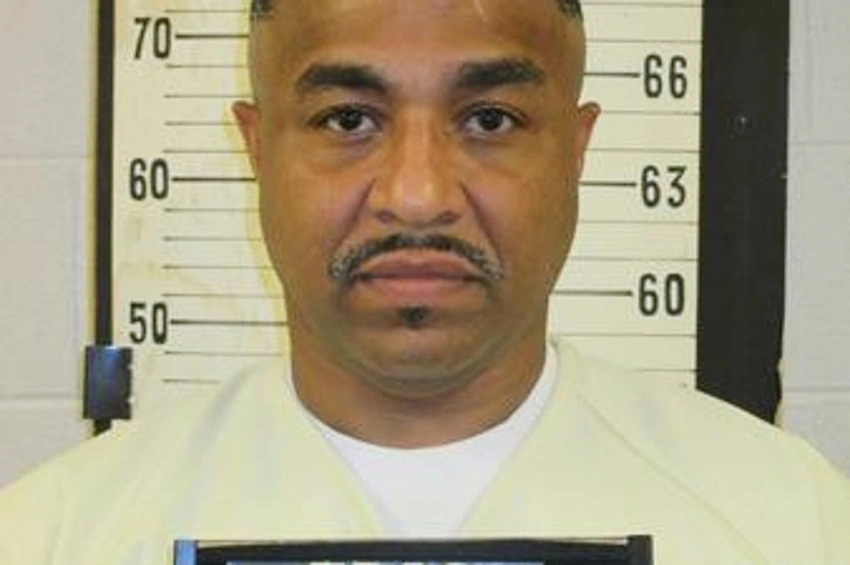
Tennessee’s plan to carry out its first execution in years was abruptly halted on Thursday morning. Prison officials were forced to call off the execution of Tony Carruthers after staff members were unable to locate a suitable vein for the lethal injection. This unexpected turn of events has led to a one-year stay of execution for the death row inmate, giving legal teams more time to review the case.
Carruthers was originally convicted in connection with three murders that took place back in 1994. His case has long been a subject of intense legal debate and public interest. One of the most striking aspects of his trial was that Carruthers was forced to represent himself. This decision has been heavily criticized by his defenders, who argue that it fundamentally compromised the fairness of the proceedings. Remarkably, he would have been the first person in over a century to be executed after acting as his own lawyer in such a high-stakes trial.
Leading up to the scheduled execution, there were multiple requests from his legal team to test DNA and fingerprint evidence that they believe could be relevant. However, these requests were denied by the courts. The courts also ruled that Carruthers was mentally competent to face the death penalty. Despite these legal hurdles being cleared, the physical process of the execution proved to be the ultimate obstacle.
The failure to find a vein marks a significant moment in Tennessee’s history with capital punishment. These types of botched attempts often reignite the conversation surrounding the ethics and reliability of lethal injection protocols. For now, Carruthers remains on death row as the state and legal teams navigate the implications of this new one-year stay.
The situation continues to draw attention from human rights advocates and legal experts alike. Many are watching closely to see if the delay will lead to a re-examination of the initial trial or the evidence that defenders have been pushing to get tested for years.
