Iran Denies Plan to Execute Detained Protester Erfan Soltani

Iran Denies Plan to Execute Detained Protester Erfan Soltani
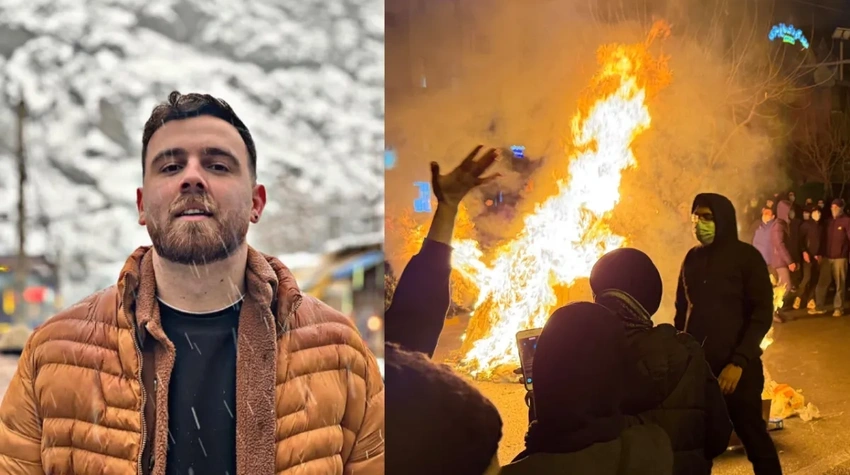
Iran's judiciary says Erfan Soltani is not facing the death penalty, even as rights groups claim his execution was postponed amid global concern over protest crackdowns.
Iran's judiciary has denied it scheduled the execution of protester Erfan Soltani, a 26-year-old clothes shop owner detained amid the country’s recent protests. The denial comes as rights groups and relatives reported conflicting information about his fate, highlighting the volatility and uncertainty facing detainees amid the crackdown.
Soltani was arrested last Thursday in the protests that rocked the country, with reports placing his apprehension in Fardis, a northern city west of Tehran. He is said to be held in a prison in Karaj, neighboring to the capital, where his case has drawn international scrutiny. The judiciary insists he faces charges linked to “colluding against national security” and “propaganda activities against the establishment,” charges it says do not carry the death penalty. Foreign media and rights groups, however, have warned that the life of detained protesters remains under threat as authorities move through a broad security crackdown.
Earlier this week, the Norway-based Kurdish rights organization Hengaw said Soltani’s family had been informed of a potential execution on Wednesday and later described the execution as postponed. The conflicting reports add to the confusion surrounding the cases of thousands detained in the three weeks of protests—figures that rights groups say number in the tens of thousands.
The international spotlight has intensified as world leaders weigh responses to Iran’s crackdown. U.S. President Donald Trump publicly urged Iran not to carry out any executions of protesters, while Iran’s Foreign Minister Abbas Araghchi said there was “no plan” to hang detainees, reiterating the state line on the issue. In Tehran and across the country, officials have warned of consequences for unrest, even as authorities maintain that legal processes are underway.
Amid the uncertainty, supporters of the detained protesters urge patience and due process, while families in cities like Karaj await clarity on the fate of their loved ones. The situation underscores the tension between security measures and human rights concerns as Iran navigates a period of intense domestic unrest and growing international attention.
