Delhi MPs rally against transgender bill, defend self-identity rights

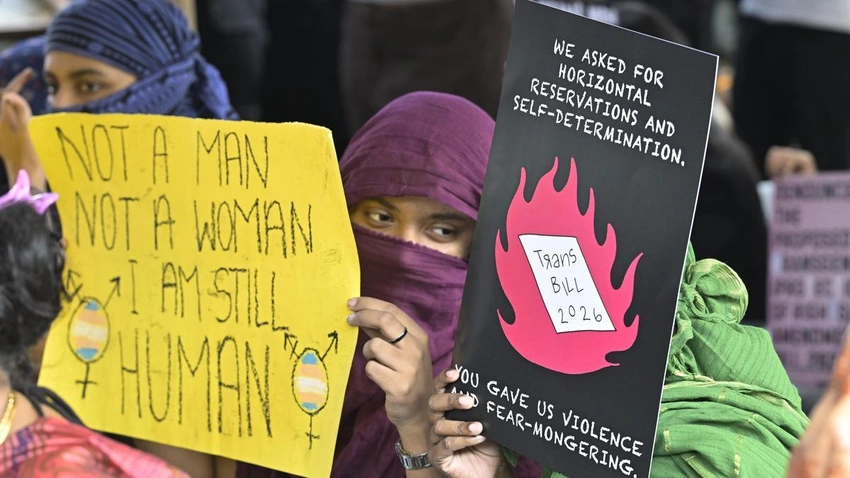
Delhi MPs rally against transgender bill, defend self-identity rights
Public hearing in Delhi sees opposition lawmakers and activists push back against amendments to the Transgender Persons Act, arguing removal of self-perceived identity risks eroding rights.
A public hearing in Delhi drew MPs and activists from across the political spectrum to discuss the Union government’s proposed amendments to the Transgender Persons (Protection of Rights) Act, 2019. The bill aims to redefine the term transgender and removes the right to self-perceived gender identity, replacing it with a medical board’s determination of who qualifies as transgender. The session, held at the Press Club of India, highlighted deep concern that the changes could limit access to protections and benefits intended for those facing severe social exclusion due to gendered identity.
Opposition parliamentarians from the Rashtriya Janata Dal, Indian National Congress, and the Communist Party of India (Marxist) spoke out against the bill’s approach. They argued that reducing autonomy around gender identity would undermine rights already established under the act. It was noted that leaders from across parties are exploring coordinated strategies to oppose the bill in Parliament. One MP commented that the government may fear street protests, while another called the fight to protect transgender rights an uphill battle, signaling the political heft of the issue.
Several party leaders also attended the hearing, including Sandeep Dikshit of the Congress and Anish Gawande of the Nationalist Congress Party. The bill, introduced in the Lok Sabha on March 13 by Union Social Justice Minister Virendra Kumar, seeks to redefine a “transgender person” and remove the section that currently recognises self-perceived gender identity. The government contends that the existing broader definition has made it difficult to identify the individuals who should benefit from protections, arguing the policy’s aim is to reach those who face the most severe social exclusion due to biology. Advocates told the gathering that the proposed shift risks creating new barriers and eroding trust between transgender communities and the state.
Beyond Delhi, protests and press conferences organized by affected communities and supporters occurred nationwide as part of the public hearing process. Critics warned that removing self-identity as a qualifying criterion could chill access to rights and services, while supporters argued the need for a clearer, more verifiable standard. The conversation underscored a broader debate about identity, rights, and state oversight, indicating that the bill’s fate in Parliament will hinge on how parties reconcile civil rights with policy clarity. The public hearing reflected the high stakes involved and signaled that forthcoming parliamentary sessions will see intensified negotiation, amendments, and public scrutiny.
