Your Face Is Up For Rent, and Scammers Are Buying

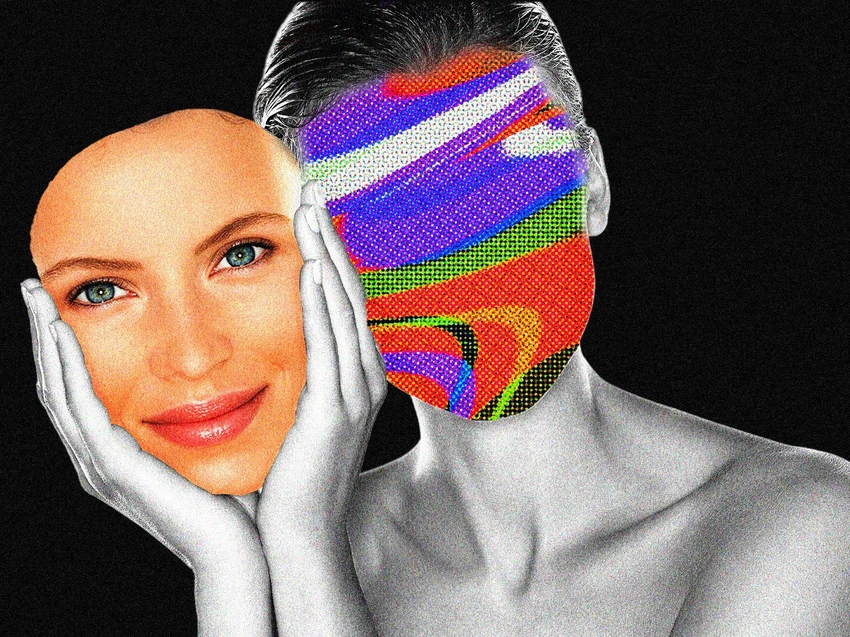
Your Face Is Up For Rent, and Scammers Are Buying
Your face is your brand, but what happens when it becomes a weapon for scammers? Explore the dark world of AI face models and why we need to rethink digital identity ownership before it is too late.
Your Face Is Up For Rent, and Scammers Are Buying
Imagine taking a hundred video calls a day just to smile, blink, and nod at a camera. For many looking to break into the digital modeling world, this might seem like a strange but easy way to earn some quick cash. However, there is a sinister side to this new gig economy. These models are not just posing for ads; they are providing the biometric foundations for sophisticated AI scams.
The New Face of Fraud
The rise of AI face modeling has created a marketplace where human likeness is sold as a tool for deception. By recording specific movements and expressions, these individuals allow fraudsters to create live, interactive deepfakes. These digital masks are then used in romance scams or investment fraud to trick victims into believing they are talking to a real, trustworthy person. It is no longer about a static fake photo. It is about a living, breathing lie.
Who Truly Owns a Digital Identity?
This raises a massive question regarding ownership. When you sell your face to a developer for a few hundred dollars, you are often signing away more than just a video clip. You are losing control of your reputation. If that AI-generated version of you is used to ruin someone's life, whose fault is it? While the model provides the raw material, the platforms hosting these transactions often look the other way.
The Responsibility of Platforms
Encryption is a vital tool for privacy, but it has also become a shield for these shadowy job boards. Messaging apps and social media giants must do more to monitor and ban listings that clearly aim to facilitate identity fraud. It is not enough to say the technology is neutral. When the business model depends on the exploitation of human faces to steal money, the platforms have a moral obligation to intervene.
Protecting the Future
We need stricter regulations on the commercial sale of biometric data and better education for those entering the AI modeling space. Seeing should no longer mean believing. If we do not establish clear rules on who owns a face and how it can be used, the internet will become a place where nobody can be trusted. It is time to treat our digital likeness with the same protection we give our physical bodies.
