Japan's Takaichi Gambles in Snowy Snap Election

Japan's Takaichi Gambles in Snowy Snap Election
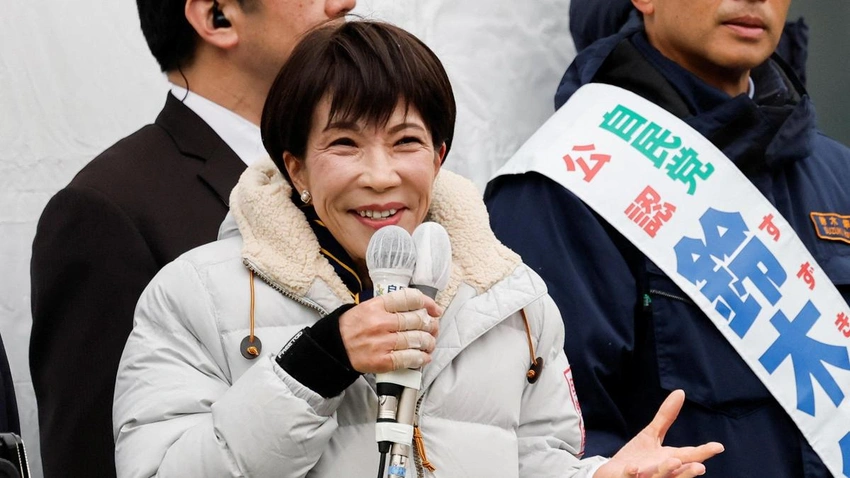
Snow blankets Tokyo as Sanae Takaichi seeks a mandate in a rare mid-winter snap election, betting on personal popularity and tax-cut pledges to push the LDP-JIP coalition to victory.
Snow dusts Tokyo as voters head to polling stations in a snap election called by Prime Minister Sanae Takaichi. It's Japan's first mid-winter vote in 36 years, a move she argues is needed to secure a fresh mandate ahead of economic and security challenges.
Polls hint at a strong showing for her Liberal Democratic Party in coalition with the Japan Innovation Party, with forecasts suggesting the bloc could win as many as 300 of the 465 Lower House seats. It's a surprising comeback for the LDP after losing its long-standing coalition partner amid corruption scandals and rising costs that have weighed on the electorate.
Takaichi's personal popularity has been a driving force, helped by pledges of tax cuts and subsidies that resonate with voters wary of sluggish growth and heavy government debt—the debt level remains among the highest in the developed world, critics say.
Weather could dampen turnout. Early voting was down about 2.5% from the last election, with nearly 4.6 million voters. Snowfalls in Niigata and other regions caused transport chaos: dozens of train lines shut, ferry routes canceled, and dozens of flights grounded, complicating campaigns and polling logistics. Tokyo itself saw rare snowfall as people lined up to vote.
All eyes are on whether Takaichi can translate personal popularity into a governing majority, and how far she would go with spending on subsidies if elected. The election tests Japan's appetite for reform and fiscal risk as the country grapples with a high debt burden and a stubbornly slow economy.
