The Tradwife Paradox: Is it Nostalgia or Neo-Conservatism?

The Tradwife Paradox: Is it Nostalgia or Neo-Conservatism?
Dive into the magnetic, yet unsettling, world of the tradwife aesthetic. Is it a heartfelt return to tradition or a carefully constructed performance for modern eyes? We unravel the mystery.
The Tradwife Paradox: Is it Nostalgia or Neo-Conservatism?
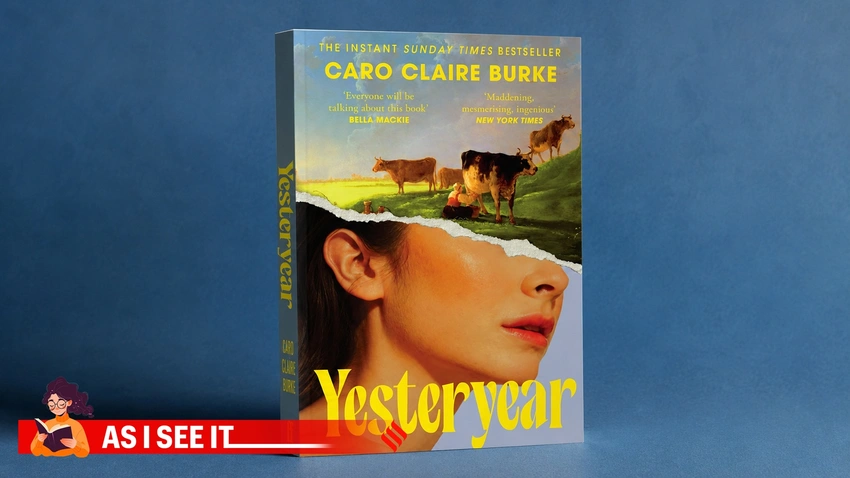
Ever wonder about the perfect ‘tradwife’ you see online? Take Natalie Heller Mills, for instance. At 32, she embodies the aesthetic: a woman seemingly devoted to traditional gender roles and a pre-modern way of life. But here’s the kicker—she thrives on modern tech, curating her ‘traditional’ image for millions of followers on Instagram. The irony is palpable from the jump, as she’s a protagonist who ‘plunges into irony from the offset: thriving on modern day technology to shun all that’s modern.’
The Instagram Illusion
Natalie’s feed showcases a blissful family life on a ranch, far from Idaho’s city buzz. Every detail, from the radiant smile to the hidden modern gadgets, is meticulously crafted. You’re privy to her internal monologue, where the frantic effort to maintain this picture-perfect facade is laid bare. It’s a fascinating look at the performance required to ‘do everything from scratch’ while simultaneously leveraging hyper-modern platforms. The satire begins right there, as we’re ‘inside Natalie’s head, furiously working out the details, the smile, the expression, the modernities to be hidden from camera, and most of all the picture of a happy family living on a ranch.’
Unpacking the Contradictions
Her large, growing family—five children, with a sixth on the way—fits the stereotype. She actively shapes her soft-hearted husband into the ‘tough male head’ of the household. Yet, even this seemingly organic traditional setup comes with a modern twist: it’s financially backed by her wealthy politician father-in-law. This arrangement, ‘an agreement she has with her wealthy politician father-in-law, who is sponsoring the expenses of the ranch,’ leaves us questioning the authenticity of her desires. Is this truly what she wants, or is it a lifestyle chosen for other reasons?
The ‘Unreadable’ Heroine
Throughout her story, Natalie remains a captivating enigma. We learn of her orthodox upbringing and her reliance on faith for decisions, even ‘censoring even her thoughts of foul language.’ But the fundamental question lingers: does she genuinely believe in this lifestyle, or is she merely following a path she was taught, driven by a need to uphold the ‘pretense of a woman in love with the past’? Her motivations are never entirely transparent, making her ‘charming in her mystery.’ We rarely get a glimpse of Natalie’s true feelings, even though ‘you are consistently inside her head.’
Nostalgia or Neo-Conservatism?
The tradwife aesthetic, exemplified by Natalie Heller Mills, forces us to confront a bigger societal question. Is this a genuine yearning for a simpler, idealized past—a true nostalgia for bygone eras? Or is it a subtle, perhaps even unconscious, embrace of neo-conservative ideals, masked by the allure of tradition and domesticity? Natalie’s story suggests it’s a complex blend, where the pursuit of tradition is often intertwined with modern performativity and deeply ambiguous personal motivations. Her journey reflects a wider cultural discussion about authenticity, aspiration, and the evolving roles of women in a rapidly changing world. The ‘unreadable heroine Natalie’ remains a powerful symbol of this ongoing debate, leaving us to ponder the true nature of her ‘chilling, charming mystery.’
