Lifestyle Brands Ditch Digital Noise for Print & Radio

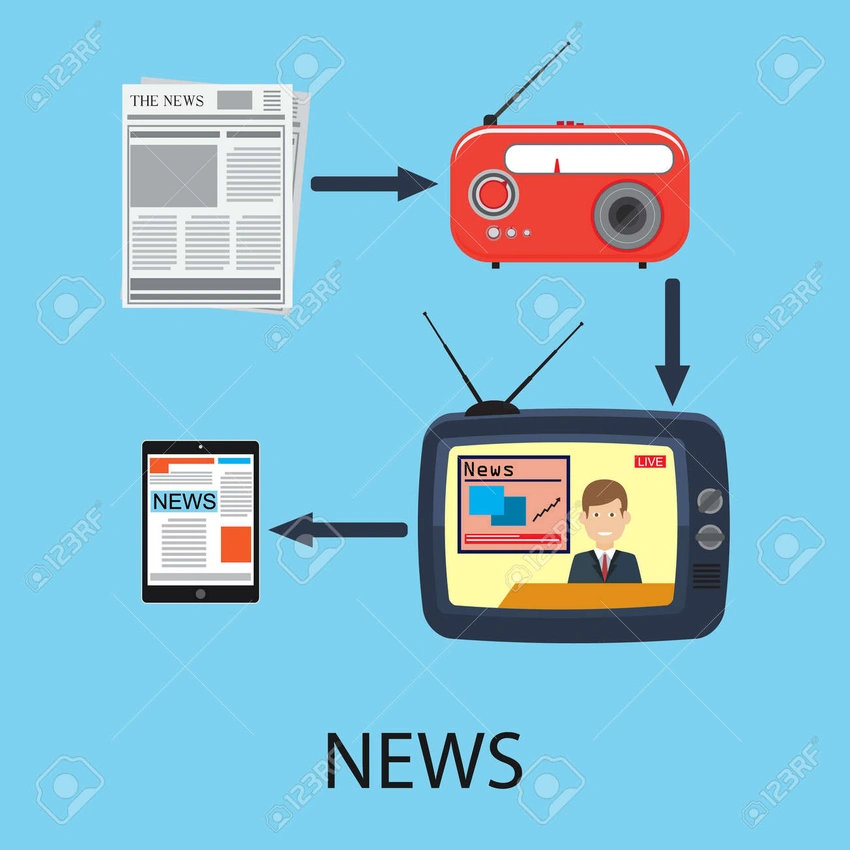
Lifestyle Brands Ditch Digital Noise for Print & Radio
Discover how leading lifestyle brands are turning back to print media in 2025. A recent study shows a 21% rise in print advertising. Is this the future of marketing?
Some of the leading lifestyle brands in the nation are embracing the analog past in a world where screens rule. Advertisers are gradually shifting their focus from cluttered digital platforms to more traditional media, such as print and radio, from fashion houses to beauty retailers. It may surprise you to learn that this move isn't merely a throwback fashion. It is supported by outcomes.
According to a recent study by TAM Media Research, which was reported in magazines like Franetic and Storyboard18, lifestyle brands' print advertising expenditures increased by 21% in 2024 over the year before. Newspapers and magazines are seeing the return of over 1,800 brands, many of which are new to print advertising. At the same time, digital ad spends have decreased by over 70%, especially on crowded platforms like YouTube and Instagram, and TV ad spends in this category have drastically decreased by 65%.
So, What’s Behind This Sudden Switch?
The answer is simple: print and radio cut through the noise. Leading this change are well-known figures. Last year, a number of regional lifestyle chains came after Reliance Retail, which topped the list in terms of print ad spending. The southern part of India had the most print advertisements, making up 37% of the total, according to data from Franetic.
In the meantime, radio is becoming more popular in both urban and rural areas. The affordability and hyper-local reach of radio make it appealing to many brands. For brand building and regional promotions, a 10-second spot can be purchased for as little as ₹100.
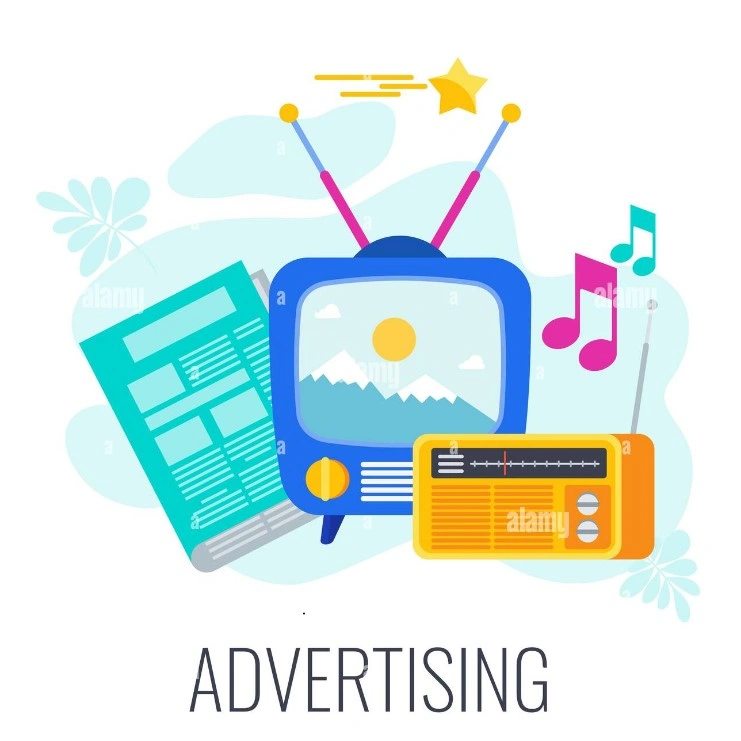
“Radio is still deeply trusted, especially in Tier 2 and Tier 3 cities,” explained Rajiv Bhatnagar, Programming Head at Radio Mirchi. “Unlike social media, it’s not crowded with influencers. It’s a direct, personal medium.”
Radio is more than just background noise. According to a 10-year global study highlighted by Radio Ink, businesses that used radio advertising saw a 42% increase in profit growth and a 32% rise in market share.
What About Digital?
Digital advertising is here to stay. One of the biggest online beauty retailers in India, Nykaa, still spends the majority of its advertising budget online, particularly on Facebook, which accounted for 88% of all digital ad spending in the lifestyle category last year.

However, even brands that prioritize digital platforms are adjusting their approach. Many are combining channels, such as launching radio campaigns that link to YouTube influencer drops or using print ads to send readers to QR codes or social contests.
Why Does This Matter?
This change indicates that advertisers are reconsidering what works, which is more than just a curious observation. First of all, it demonstrates that, when used properly, traditional media can still be powerful. Secondly, it questions the notion that digital is invariably superior or less expensive. In reality, click-through rates have drastically decreased over the past year due to new privacy laws and anti-tracking tools, while digital ad prices have increased.
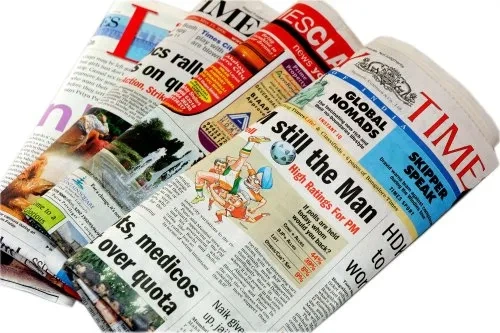
It has an impact on the advertising ecosystem as well. In the upcoming quarters, digital and TV media companies might experience slower growth or even revenue declines if more brands begin reallocating their budgets back to print and radio.
There are dangers as well. Digital media provides real-time analytics, which print and radio do not. Measuring ROI can be challenging. Campaign execution takes longer, and production costs are also higher. However, the trade-off appears to be worthwhile for many brands, particularly in the lifestyle sector.
Conclusion
According to experts, the most astute brands will employ a hybrid approach, leveraging digital platforms for reach and traditional media for depth. The objective is to balance rather than swap one for the other. As 2025 approaches, it's evident that effective advertising will be defined by narrative rather than format.
#LifestyleBrands #PrintMedia #MarketingTrends #Advertising #MediaResearch
