Why My Sleep Tracker is Giving Me Performance Anxiety

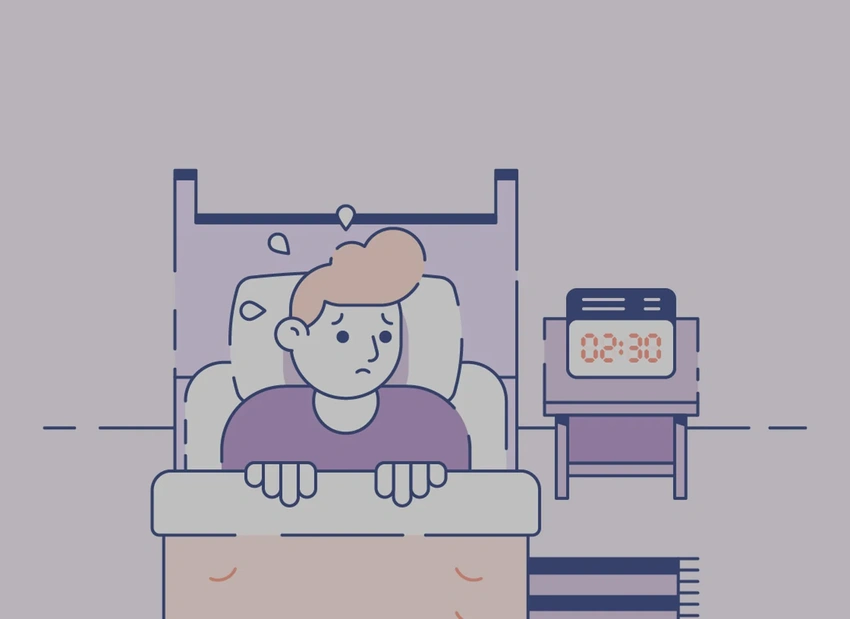
Why My Sleep Tracker is Giving Me Performance Anxiety
I spent hundreds of dollars to let an app tell me if I'm tired. Now I'm too stressed to actually sleep. Let's talk about the trap of the perfect eight hours.
My Sleep Tracker is Giving Me Performance Anxiety
It is 7:15 in the morning and the first thing I do is not stretch or greet the sun. Instead, I reach for my phone to see if I am allowed to feel good. My Oura ring has crunched the numbers from my night of tossing and turning, and the verdict is in: a readiness score of 62.
Suddenly, the energy I thought I had vanishes.
I am officially, scientifically tired.
As a philosophy student, I spend a lot of time thinking about how we perceive reality.
Lately, I have realized that my reality is being outsourced to a piece of titanium on my finger. We have entered the era of the sleep hygiene obsession, where rest is no longer a natural biological function but a metric to be optimized.
If we do not hit that perfect eight-hour window with forty minutes of deep sleep, we feel like we have failed the day before it even begins.
There is actually a name for this. It is called orthosomnia, which is the clinical term for a preoccupation with getting perfect sleep based on data from wearable devices. We are so worried about our sleep hygiene that the worry itself keeps us awake.
It is the ultimate irony of the modern wellness movement. We buy the weighted blankets, the magnesium flakes, and the blue-light blocking glasses, yet we are more stressed than ever.
We are trying to find order in an imperfect world. My life as an educator and student is messy.
There are late-night grading sessions and early-morning seminars.
Sometimes the neighbor's dog barks at 3:00 AM. In the past, I would have just grabbed an extra espresso and moved on. Now, I see a red bar on my app and spend the afternoon spiraling about my long-term cognitive health.
Is my brain shrinking because I stayed up reading one more chapter?
The app seems to think so.
We need to reclaim our intuition. While data can be helpful, it should not be the boss of our bodies. If you wake up feeling refreshed but your watch says you had a restless night, trust your eyes over the screen.
Philosophy teaches us that the good life is about balance, not perfection.
We are humans, not algorithms.
Maybe the secret to a better night of sleep is not more tracking.
Maybe it is having the courage to take the ring off, put the phone in another room, and let ourselves be tired without the data to prove it. Sometimes, a bad night of sleep is just a bad night of sleep, not a health crisis.
