Meta's Muse: Is the 'AI Tamagotchi' Our Digital Future?

Meta's Muse: Is the 'AI Tamagotchi' Our Digital Future?
Forget chatbots, Meta's AI agent Muse is crushing it and eyeing smart glasses + Tamagotchi-style devices. Is this the new era of digital companionship?
We've all watched the AI giants battle it out, talking about “pacing the frontier” in a race that feels like it's accelerating weekly. OpenAI dropped GPT-6 updates, Anthropic pushed out Opus 5.5, but honestly, the real buzz isn't about these model updates. It's about Meta and their personal AI agent, Muse.
Muse is reportedly outpacing ChatGPT's early numbers. Let that sink in for a moment. It's a personal agent designed for integration into our daily lives, and it's already demonstrating impressive early adoption.
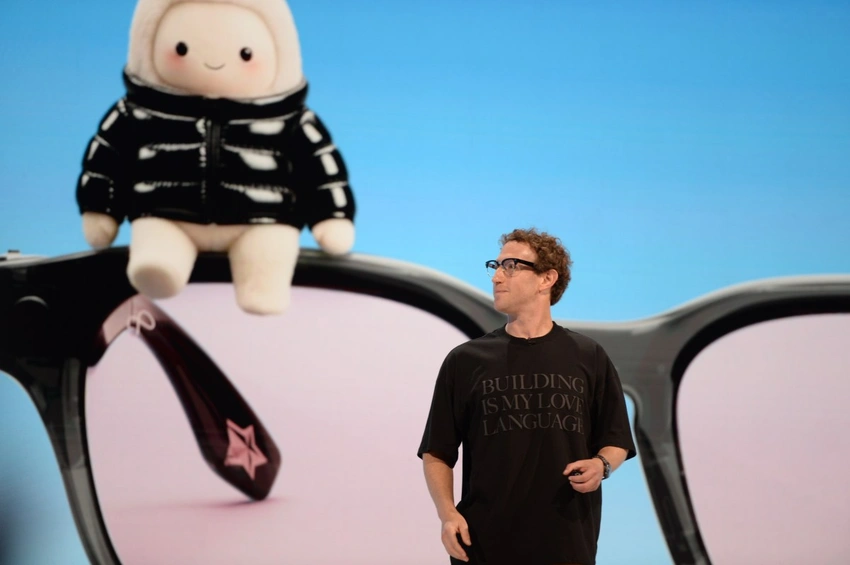
What's truly fascinating is where Meta is taking Muse next: smart glasses and a tiny, 'Tamagotchi-style device'.
This isn't just about having an AI in your phone anymore. This is about ubiquitous, ambient AI that exists on dedicated hardware, always present, always ready.
It's a bold move, pushing AI beyond abstract algorithms into tangible, companion-like forms.
The idea of an “AI Tamagotchi” isn't just a catchy phrase; it speaks to a fundamental shift. We're moving from query-response interactions to a more continuous, almost nurturing relationship with our digital companions. Imagine an AI that learns your routines, anticipates your needs, and offers personalized insights, not just from a screen, but from a device you carry, or even wear, like an old-school digital pet.
This strategy is a game-changer for the consumer AI market. While others are focused on raw model power, Meta is honing in on user experience and seamless integration. It's about making AI not just useful, but personally indispensable .
This approach raises fascinating questions about the nature of companionship in the digital age.
What This Means for the Ecosystem
For startups building on top of AI technology, Meta's move provides both a challenge and an opportunity. The spotlight is now firmly on how AI can enhance, or even redefine, personal interaction and utility. Kirsten Korosec, Anthony Ha, and Sean O'Kane recently dug into this on Equity, pointing out that we need to consider where the money is flowing and which AI products will truly become part of people's daily lives.
The shift to dedicated hardware—smart glasses, 'Tamagotchi-style devices'—suggests that physical form factors will become increasingly critical for AI agents to truly embed themselves into our routines. It moves AI from being a background process to a front-and-center, interactive entity.
Beyond the Screen: What’s Next for Our AI Friends?
The future isn't just about more powerful AI, it's about more personal AI.
Meta's Muse, with its impressive early performance and vision for smart glasses and portable devices, is a clear signal that the era of digital companionship is evolving rapidly. We're not just talking to our AI; soon, we might be caring for it, and it, in turn, caring for us, in ways we're just beginning to understand.
It's an exciting - and perhaps a little wild - future.
