Mastering the Indoor Jungle: Fiddle Leaf, Olive, Ficus & Palm Secrets

Dreaming of a stunning indoor tree? This guide cuts through the noise, showing you how to pick, pot, and nurture Fiddle Leaf Figs, Olive Trees, Ficus Audreys, and Palms based on your home's light. Transform your space!
Imagine your living space elevated by the sheer presence of a magnificent indoor tree. It's more than just decor; it's a living sculpture, a breath of fresh air, and a bold statement. But choosing the right giant for your home isn't about guesswork: it's about understanding light, specific needs, and a dash of green-thumb wisdom.
Let's make your indoor tree dreams a vibrant reality.
Your Room's Brightest Secret: Light
Before you even think about tree species, look up.
Your room's light exposure is the single most critical factor in your plant's success.
'Bringing a piece of nature indoors transforms your space, but it also asks you to become a student of light and life.' North-facing windows offer indirect, softer light, while south-facing windows bask rooms in intense, direct sun.
East-facing provides bright morning light, and west-facing gives strong afternoon sun.
Map out these light zones in your home: your future tree will thank you.

Meet Your Green Giants: Selection & Care
Each of these popular indoor trees has its own personality, especially when it comes to light and water.
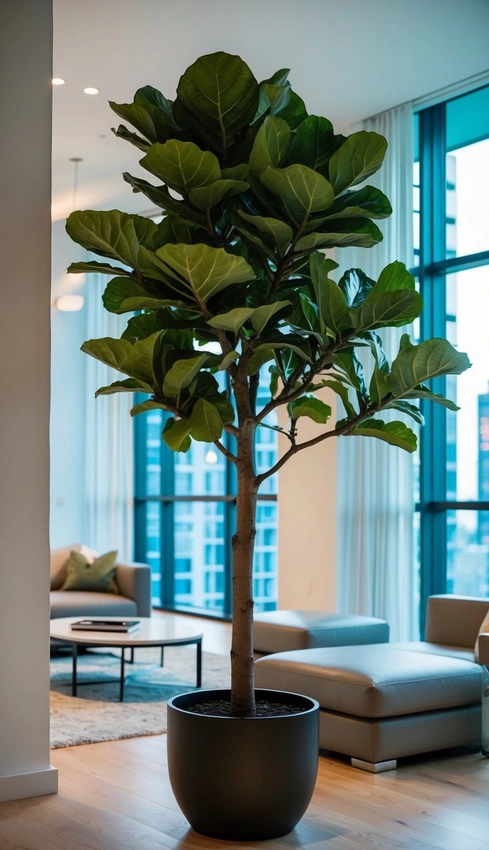
Fiddle Leaf Fig (Ficus lyrata): The Diva
These beauties demand bright, indirect light, ideally near a large window that receives morning sun or filtered afternoon light.
They are notoriously finicky about watering, preferring to dry out slightly between waterings to avoid root rot.
Good drainage is non-negotiable.
Watch for brown spots (overwatering) or crispy leaves (underwatering, lack of humidity).
Olive Tree (Olea europaea): The Mediterranean Charm
If you have a very sunny spot, an indoor olive tree could be your perfect match. They thrive in direct, bright light, think south-facing windows or a sunroom. Olives are drought-tolerant, so let the soil dry out completely between waterings.
They appreciate good air circulation and can tolerate cooler temperatures in winter, which can even encourage fruit production.
Ficus Audrey (Ficus benghalensis): The Elegant Alternative
The Ficus Audrey is the Fiddle Leaf's more forgiving cousin. It prefers bright, indirect light but is less prone to drama if light conditions aren't absolutely perfect. Water when the top two inches of soil feel dry.
Audreys are known for their velvety leaves and a more upright growth habit, making them an excellent choice for a refined look.
Palms (e.g., Areca, Kentia): The Tropical Escape
Many palm varieties make excellent indoor trees.
Kentia palms are particularly shade-tolerant, thriving in medium to low indirect light.
Areca palms prefer bright, indirect light but can scorch in direct sun.
Both appreciate consistent moisture, never let them dry out completely, but don't let them sit in standing water.
Humidity is their best friend, so regular misting or a pebble tray is a plus.
Potting for Long-Term Thrive
Choosing the right pot and soil is fundamental. Opt for a pot only slightly larger than the root ball, ensuring it has drainage holes. Terracotta pots are excellent for plants that prefer drier conditions (like olives) as they allow soil to breathe, while glazed ceramic or plastic pots retain moisture better.
Use a high-quality potting mix that drains well.
For Fiddle Leaf Figs and Ficus Audreys, an airy, peat-based mix is ideal. Palms often benefit from a slightly sandier, well-draining soil.
Beyond the Basics: Nurturing Your Green Giant
- Rotation: Rotate your tree every few weeks to encourage even growth and prevent it from leaning towards the light.
- Cleaning: Wipe down leaves with a damp cloth periodically to remove dust, allowing for better photosynthesis.
- Fertilizing: Feed during the growing season (spring and summer) with a balanced liquid fertilizer, diluted to half strength. Reduce or stop in fall and winter.
- Pest Watch: Inspect leaves regularly for common pests like spider mites or mealybugs. Address issues promptly with neem oil or insecticidal soap.
- Pruning: Prune to shape your tree and encourage bushier growth. Remove any dead or yellowing leaves to redirect energy.
Ready for Your Statement Piece?
Bringing a large indoor tree into your home is a commitment, but the rewards are immense. By understanding the unique needs of Fiddle Leaf Figs, Olive Trees, Ficus Audreys, and Palms, especially their light requirements, you're set up for success. Choose wisely, nurture patiently, and watch your indoor oasis flourish.
Your home will feel more vibrant, more alive, and undeniably more stylish.
Which green giant will you welcome home first?
