RAF Jet Carrying UK Defence Secretary Jammed Near Russian Border

RAF Jet Carrying UK Defence Secretary Jammed Near Russian Border
A UK military jet carrying Defence Secretary John Healey had its GPS signal jammed near the Russian border. Learn how the pilots navigated this tense encounter.
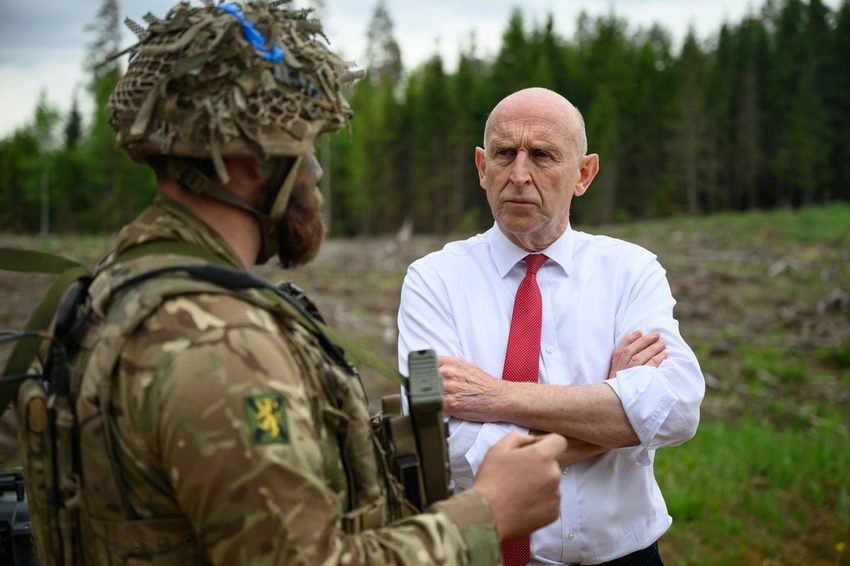
An RAF jet carrying UK Defence Secretary John Healey faced a tense situation this week when its navigation signal was jammed while flying near the Russian border. The incident occurred on Thursday as Healey was returning to the UK following a visit to British troops taking part in NATO exercises in Estonia.
While the plane’s GPS was disabled during the three-hour flight, the pilots were able to switch to an alternative navigation system to ensure a safe journey home. Although the Ministry of Defence has not officially pointed fingers yet, Russia is widely suspected to be behind the electronic interference. Interestingly, the aircraft's flight path was reportedly visible on public tracking websites at the time, leading to speculation about whether the flight was intentionally targeted.
This jamming incident is part of a worrying pattern of aerial provocations. It comes just a day after reports surfaced of Russian warplanes "dangerously" intercepting an RAF spy plane over the Black Sea last month. In that encounter, a Russian Su-35 fighter jet got so close to a British surveillance aircraft that it triggered the plane's emergency systems and disabled its autopilot. Another Russian jet reportedly flew within just six meters of the RAF plane’s nose, a move described by officials as the most dangerous Russian action since 2022.
Healey, who had just finished praising the "outstanding professionalism" of RAF crews dealing with such flybys, now finds himself at the center of the story. This isn't the first time a high-ranking UK official has dealt with GPS issues in the region; earlier in 2024, then-Defence Secretary Grant Shapps experienced a similar signal blackout while flying near Russian territory. Security experts note that such electronic warfare tactics are becoming increasingly common in the Baltic region as tensions continue to simmer.
