Trump Demands DOJ Probe into "Gasoline Price Gouging" Amid Consumer Outcry

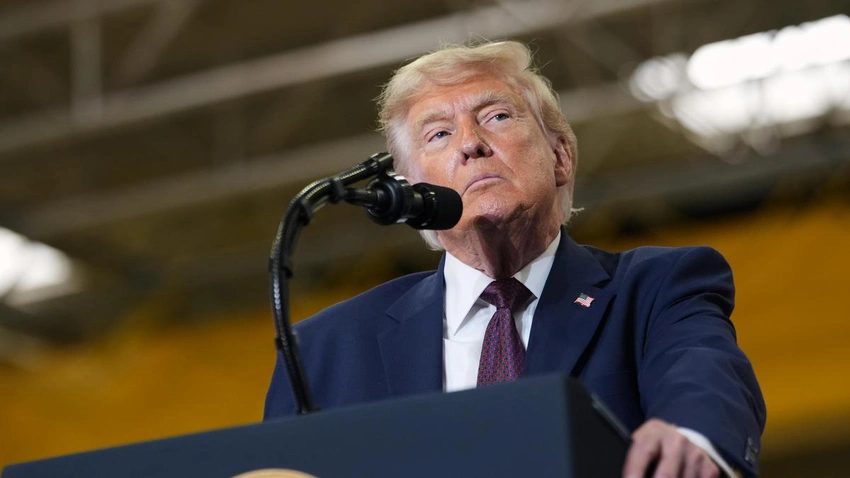
Trump Demands DOJ Probe into "Gasoline Price Gouging" Amid Consumer Outcry
Former President Trump has called for a Department of Justice investigation into alleged "gasoline price gouging." This comes as consumers face soaring costs, impacting upcoming elections. #GasPrices
Former President Donald Trump has issued a stern call for the Department of Justice (DOJ) to launch an immediate investigation into what he terms "gasoline price gouging" by oil companies. This directive comes amidst growing public frustration over persistently high fuel costs, a significant concern for consumers across the nation.
Trump's demand highlights the political pressure building around gasoline prices, especially as the current administration and Republicans gear up for critical midterm elections in November. High prices at the pump often become a prominent campaign issue, influencing voter sentiment.
Experts, including those from the American Petroleum Institute, point out that while gasoline and crude oil prices generally move in the same direction, their speeds of change often differ. This complex relationship means that even if crude oil prices fluctuate, the impact on retail gasoline prices isn't always immediate or proportional.
Recent market developments show global crude oil prices have dropped to their lowest levels since February. This decline is largely attributed to improved tanker traffic through the Strait of Hormuz and the anticipation of increased Iranian oil exports, easing fears of supply disruptions. However, these drops in wholesale crude prices haven't fully translated into significant relief for consumers at the gasoline pump, fueling accusations of gouging. Geopolitical uncertainties, particularly concerning US-Iran negotiations, continue to keep the market on edge.
The UAE's recent decision to exit OPEC, effective May 1, 2026, further reshapes the global oil landscape. This move has reduced OPEC's global crude oil output share from 35% to 31% and underscores the UAE's substantial role. Coupled with ongoing regional disruptions, the energy market remains highly volatile, adding layers of complexity to understanding and addressing gasoline pricing.
