Hegseth’s Iran War Rhetoric Sparks Debate Over Faith in Policy

Hegseth’s Iran War Rhetoric Sparks Debate Over Faith in Policy
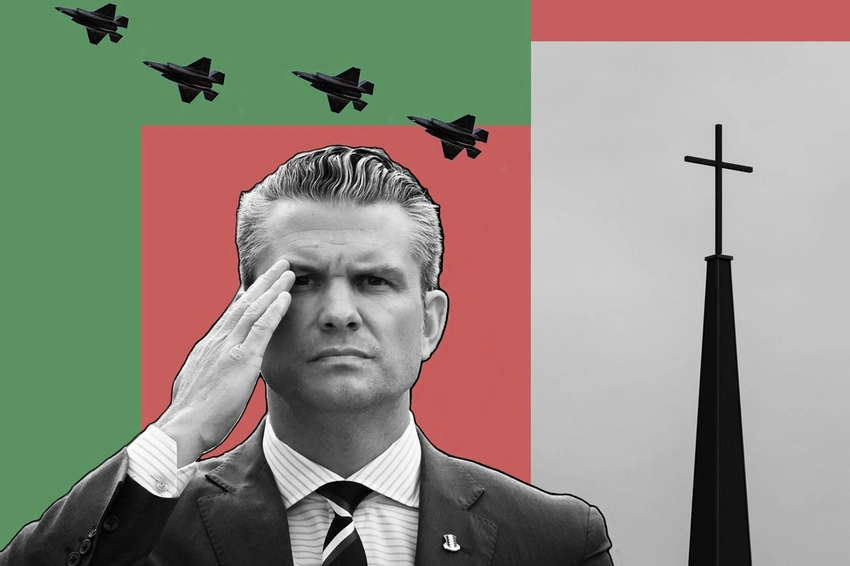
Experts warn Pete Hegseth’s overt religious framing of the Iran conflict risks church-state separation and could polarize service members.
Pete Hegseth’s comments on the Iran conflict frame the war as more than a strategic clash; they cast it as a cosmic battle between good and evil. Such religious rhetoric elevates scripture into policy language and suggests divine backing for military actions, a stance critics say is unprecedented in modern American history. The rhetoric has raised concerns that it could blur the lines between church and state and alienate patriotic service members who practice other faiths or hold secular views.
Critics, including Michael Weinstein, president of the Military Religious Freedom Foundation, argue that this kind framing crosses constitutional lines and risks escalating tensions with Tehran. They warn it may amplify sectarian tensions within the armed forces and among the broader public, making policy debates harder to navigate with nuance and restraint.
Defense officials push back, emphasizing the long-standing role of faith in American public life. A Pentagon spokesperson described the Christian faith as woven deeply into the fabric of the nation and cited historical examples of wartime leaders drawing on faith. Still, experts caution that religious rhetoric at the highest levels of defense policy could have real-world consequences for diplomacy, civilian-military relations, and the ongoing conflict in the region.
Ultimately, analysts say the real test will be whether such framing translates into concrete policy decisions or remains rhetorical theater that undermines careful, inclusive approach to national security.
