From Mosh Pits to Mozzarella: Why Denny’s New Meme Burger is Corporate Cringe Peak
From Mosh Pits to Mozzarella: Why Denny’s New Meme Burger is Corporate Cringe Peak
Denny's just turned a 13-year-old punk meme into a burger. Is this marketing genius or the final death rattle of organic internet culture?
The Day the Mosh Pit Died
Thirteen years ago, a low-resolution video captured the peak of chaotic internet energy. A hardcore punk band called Live Without turned a Houston Denny’s into a sea of flailing limbs and screaming fans. The lead singer leaned into the microphone and asked the question that would define a decade of meme culture: What the fuck is up, Denny’s?! It was raw, it was unpolished, and most importantly, it was completely unauthorized. It was the kind of moment that brands usually spend millions trying to scrub from the internet.
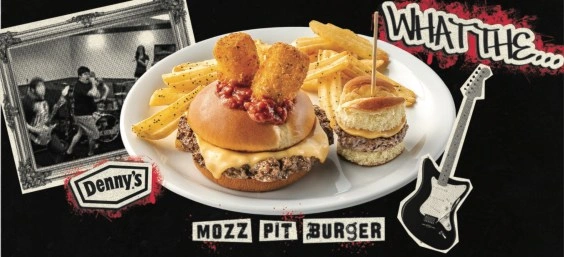
Fast forward to today, and the corporate machine has finally caught up. In a move that feels like the ultimate final boss of brand relatability, Denny’s has officially partnered with the band to launch the Mozz Pit Burger. This is not just a nod to the meme; it is a full-scale commercialization of a moment that succeeded specifically because it didn't belong in a corporate boardroom.
The Corporate Archaeology of Cool
There is something deeply unsettling about a multi-billion dollar diner chain performing digital archaeology to find a thirteen-year-old video to sell beef and cheese. When brands try this hard to be online, they inevitably kill the very thing they are trying to celebrate. The original video was legendary because it represented a clash of worlds. You had the sterile, late-night environment of a corporate diner being invaded by the gritty, loud reality of the underground punk scene.
By inviting the band back and putting a price tag on the chaos, Denny’s has sanitized the memory. They have turned a spontaneous act of subcultural rebellion into a limited-time delicacy. It is the marketing equivalent of your dad wearing a leather jacket and trying to use Gen Z slang at the dinner table. It is technically accurate, but the soul is missing.
The Death of the Organic Meme
We are living in an era where no corner of the internet is safe from monetization. In the past, memes lived and died on forums and social feeds. Now, they are treated as intellectual property to be mined by advertising agencies. When a brand decides to capitalize on a meme over a decade after it happened, it signals a desperate need for authenticity in an increasingly fake digital landscape.
If everything we love about the weird parts of the internet eventually becomes a burger topping, do we actually have an internet culture anymore? Or do we just have a very long, very loud commercial? The Mozz Pit Burger might taste fine, but it leaves a greasy aftertaste of corporate desperation that no amount of mozzarella sticks can fix.
