Sanae Takaichi Emerges as Japan's First Female PM with a Reform Mandate

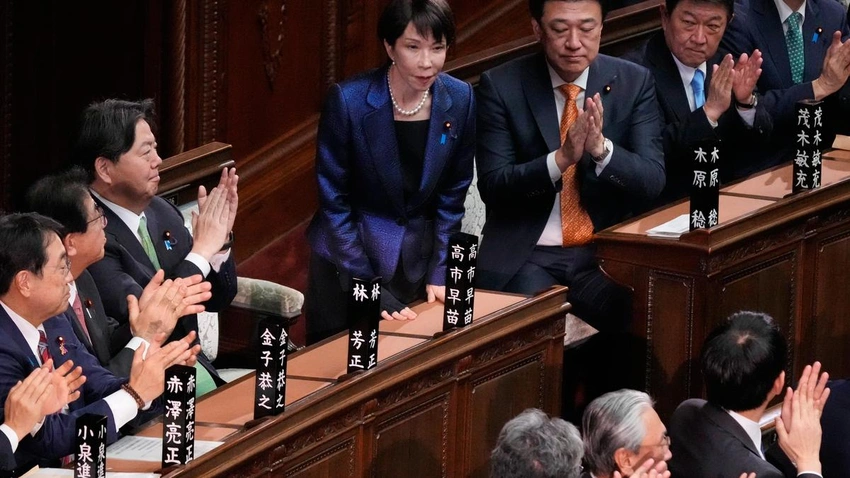
Sanae Takaichi Emerges as Japan's First Female PM with a Reform Mandate
Historic landslide grants Takaichi a two-thirds majority, signaling a push for structural reforms and a stronger regional strategy.
Japan stands at a pivotal moment as Sanae Takaichi, armed with an absolute two-thirds majority, becomes the country’s first female prime minister. The milestone is historic, but the real story lies in what her mandate could unlock: a push to restore Japan’s economic competitiveness while sharpening its strategic edge in a turbulent global landscape. The election outcome signals that voters are seeking clear direction in an era of uncertainty, backing a leadership that promises decisive action and renewed resolve.
Observers note that Takaichi belongs to the Abe lineage, carrying forward a twin emphasis on robust growth and a more assertive security posture. Her ascent suggests a preference for continuity in Japan’s strategic pivot, particularly in reinforcing the country’s role in the Indo-Pacific and prioritizing its partnerships. The two-thirds margin is significant in Japan’s parliamentary system, easing the path for structural reforms that have long faced resistance and opening doors that could lead, potentially, to constitutional changes.
The policy thread tying her to Shinzo Abe’s legacy is clear: a proactive stance on regional order centered on the Quadrilateral Security Dialogue—comprising the United States, Japan, Australia and India—and a determination to place the India–Japan partnership at the core of regional strategy. If implemented, her government could accelerate efforts to bolster defence and security, while also pursuing measures to invigorate growth and protect Japan’s economic interests.
Yet the road ahead is not without questions. Snap elections have a track record of misfires, and the coming months will test how far the new leadership is willing to go. Supporters argue that the mandate provides a singular opportunity to consolidate a strategic shift—strengthening borders and waters, advancing economic packages, and driving structural reforms that could reshape Japan’s political and economic landscape. The balance between domestic constraints and a more proactive, policy-driven approach will determine how deeply Tokyo redefines its role on the world stage.
