Iran protests ease after crackdown; 3,000 arrested, 800 executions halted

Iran protests ease after crackdown; 3,000 arrested, 800 executions halted
Iran's protests ease after deadly crackdown, with thousands detained as U.S.-Iran tensions simmer and regional diplomacy intensifies.
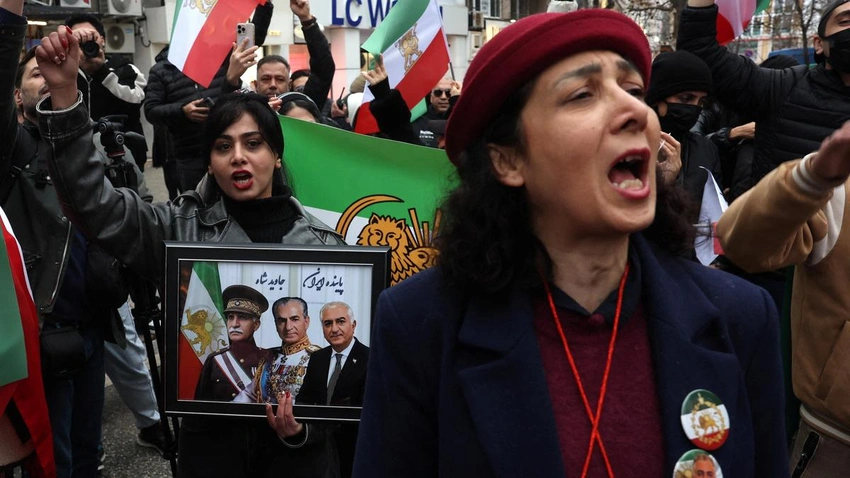
Iran’s deadly crackdown appears to have broadly quelled protests for now, rights groups and residents say, as state media reported thousands arrested in the crackdown’s wake. The demonstrations began around December 28 over soaring inflation and broader economic distress, spiraling into one of the clerical establishment’s biggest challenges since the 1979 revolution. With security forces deployed heavily in major cities, observers note a marked reduction in street activity in recent days amid warnings of potential consequences if killings resume.
Across the Atlantic, Washington has kept its options open while pressing Tehran to halt the violence. The White House said President Trump understood that 800 scheduled executions were halted, a claim that has echoed through diplomatic and media channels as regional allies maxed pressure behind the scenes. U.S. officials warned that grave consequences would follow if bloodshed continued, and allied governments—Saudi Arabia and Qatar among them—engaged in intense diplomacy with Washington to prevent a broader confrontation that could destabilize the region.
Meanwhile, intelligence-sharing and behind‑the‑scenes talks have intensified. Reports from the region say the Mossad chief David Barnea traveled to the United States for discussions on the Iran situation, while the U.S. military has started positioning additional defensive and offensive capabilities to deter any potential strike. Analysts circulated by Axios highlighted how Saudi Arabia has shown skepticism toward a Western military move against Iran, stressing that escalation could reverberate across the Gulf.
As the situation evolves, observers say the next days will be crucial in determining whether the pause in protests can become a longer-term opening for reforms or if renewed pressure could spark another round of clashes. The broader uncertainty remains a central feature of this tense moment in Middle East politics.
