Victory's Aftershock: When Athletes Speak Out. Too Far?

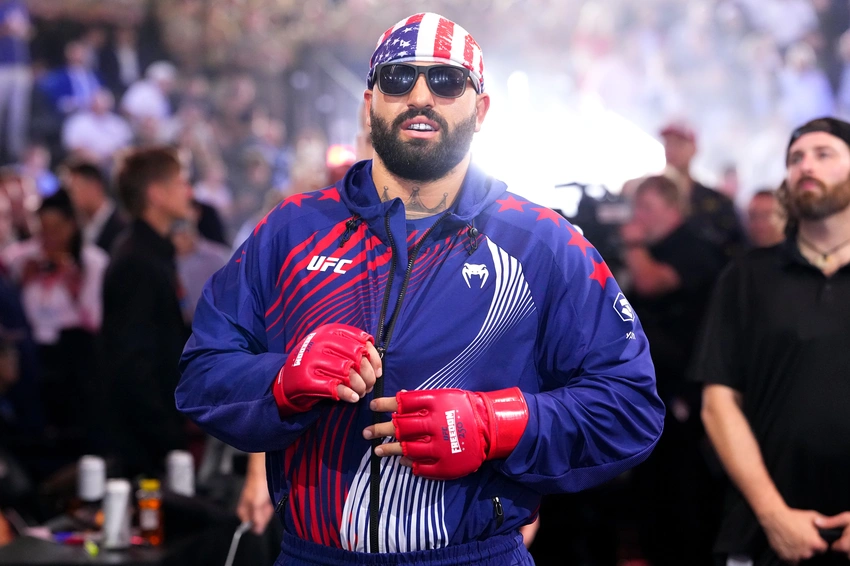
Victory's Aftershock: When Athletes Speak Out. Too Far?
After a big win, an athlete's post-match comments sparked a huge debate. Is it free speech, or is there a line crossed when disrespect takes center stage? Let's talk about it.
Picture this: the roar of the crowd, the adrenaline pumping, a hard-fought victory secured. An athlete, basking in the glow of success, grabs the microphone for that post-match interview. The moment is theirs. But then, instead of celebrating their achievement or thanking their team, they drop a comment so jarring, so deeply disrespectful, that it instantly overshadows their triumph. Suddenly, the conversation isn't about their athletic prowess, but about their words.
This isn't a new phenomenon, but in our hyper-connected world, these moments go viral in seconds. A single off-color remark, a personal attack dressed up as a 'hot take,' or a divisive statement can ignite a firestorm. It forces us to confront a vital question: where do we, as a society, draw the line between an individual's right to free speech and the responsibility that comes with wielding a public platform?
Athletes are more than just performers; for many, they are role models, heroes even. Their words resonate far beyond the stadium or octagon. When a celebrated figure uses their moment in the spotlight to spout derogatory remarks, perhaps targeting a public figure with deeply personal and unfounded accusations about their identity, it sends a troubling message. It normalizes disrespect and can contribute to a culture of online vitriol.
Sure, everyone has a right to their opinion. Freedom of speech is a cornerstone of many societies. But does that freedom extend to a complete disregard for civility, especially when amplified by millions of followers? There's a subtle but crucial difference between expressing a controversial viewpoint and engaging in blatant personal attacks or spreading harmful falsehoods. One encourages debate, the other often just incites anger and division.
The consequences for these actions are real. Sponsors get cold feet, leagues might impose penalties, and public perception can shift dramatically. More importantly, it impacts the fans, particularly younger ones who look up to these stars. What lesson are we teaching them about how to use their voice?
Perhaps it's time for athletes, and frankly, anyone with a significant public platform, to consider the weight of their words. It's not about silencing dissenting opinions, but about fostering an environment where even strong disagreements are voiced with a modicum of respect. Winning in the arena is one thing; maintaining integrity and respect outside of it? That's a different kind of championship, and perhaps, a more important one.
