Lidl and Iceland First to Face Bans Under UK Junk-Food Rules

Lidl and Iceland First to Face Bans Under UK Junk-Food Rules
ASA bans Lidl and Iceland ads on Instagram and Daily Mail for promoting HFSS foods, marking the first enforcement under the UK’s new junk-food rules.
The Advertising Standards Authority has issued the first bans under Britain’s new junk-food advertising rules, policing the marketing of items high in fat, salt and sugar (HFSS). The restrictions, which came into force at the start of the year, prohibit promoting HFSS products online at any time and on TV before 9pm. The watchdog said two supermarket campaigns breached the rules by featuring identifiable HFSS foods in paid online placements.
Lidl Northern Ireland enlisted beauty and lifestyle influencer Emma Kearney, known online as Baby Emzo, to create an Instagram post that promoted bakery products. The image showed a tray of pain suisse, a vanilla cream-filled French pastry with chocolate chips, which a complainant described as a “less healthy” food product. Lidl argued the content was brand-led and that brands can advertise without promoting a specific HFSS item, but the ASA ruled the post promoted a banned product and violated the new guidelines.
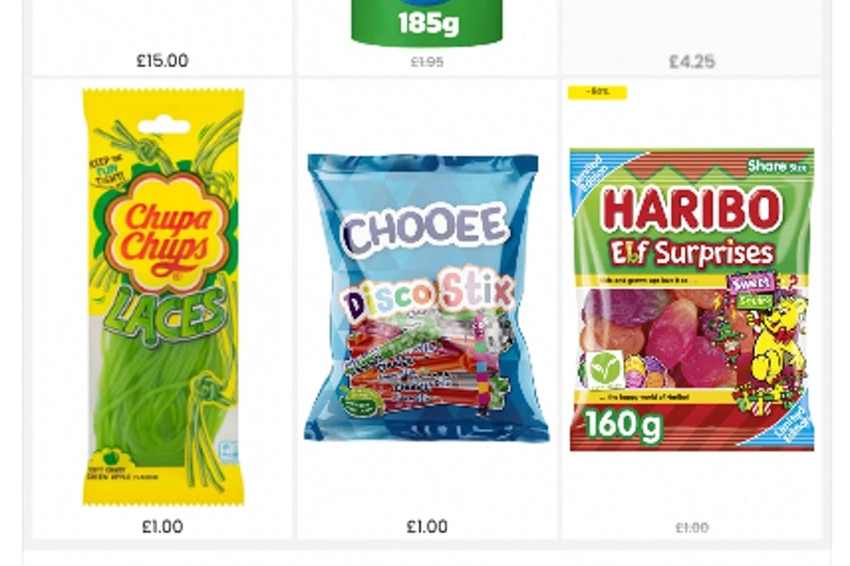
Iceland Foods ran a digital display and banner advertisement on the Daily Mail website that highlighted items such as Swizzels Sweet Treats, Chupa Chups Laces, Choose Disco Stix and Haribo Elf Surprises. Under the nutrient profiling model used by the rules, chocolates and sweets are classified as HFSS and cannot be advertised. Iceland said it had requested nutrient profile information from suppliers as part of its compliance efforts, but the advertisement still contravened the ban on promoting HFSS products online.
The ASA’s rulings underscore the stricter enforcement of online junk-food advertising rules, which are designed to curb exposure to unhealthy foods among children and support broader obesity-prevention efforts. The decisions signal that brand-led campaigns that foreground HFSS items or rely on influencer partnerships to promote such products will face scrutiny and potential penalties. The watchdog noted that further rulings are expected as more cases come under review, with advertisers urged to audit their digital content and ensure any promotions comply with the HFSS criteria.
Industry observers say the new regime marks a significant shift in UK advertising, requiring brands to rethink how they connect with audiences online and to scrutinize not only what is shown, but how it is framed within influencer content and banner placements. As companies adjust, the coming months are likely to reveal a range of compliance challenges and more enforcement actions.
