Centre's Vande Mataram Order Triggers Mixed Reactions in Bengal

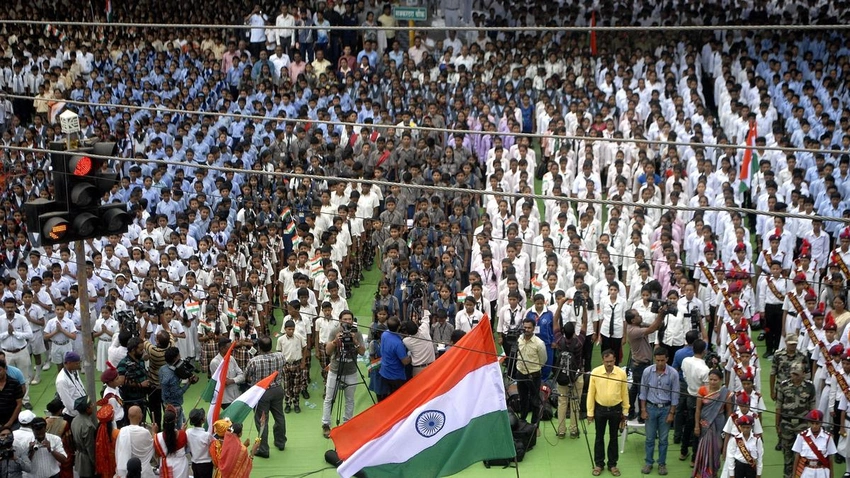
Centre's Vande Mataram Order Triggers Mixed Reactions in Bengal
The Home Ministry's order to sing all six stanzas before the national anthem stirs debate in West Bengal ahead of polls, drawing praise from BJP and concerns from academics.
The Centre has directed that all six stanzas of Vande Mataram be played or sung before Jana Gana Mana, the national anthem, at specific government occasions. The move, intended to mark the 150th anniversary of the national song’s creation, has ignited a mixed response in poll-bound West Bengal. Supporters in the ruling party hail the order as a nod to a cultural milestone and to Bengal’s literary icon Bankim Chandra Chattopadhyay, whose Sanskritised Bengali verses helped fuel the freedom struggle. They argue the decision preserves a historic symbol and honors a key figure in India’s secular and nationalist narrative.
Academics and critics, however, caution that the change touches constitutional and secular principles. They point out that the Constituent Assembly chose only the first two stanzas of Vande Mataram as the national song in 1950 — the later stanzas, including elements of idol worship and references to Goddess Durga, were seen as religiously tinged and at odds with a secular framework. Some scholars argue that the full six-stanza practice should not be mandatory without constitutional amendments to maintain harmony. Others acknowledge Vande Mataram’s inspirational role in the freedom movement and say the performance should be limited to the first two stanzas to preserve constitutional secularism, while allowing broader discussions about the song’s symbolism to continue.
The debate has quickly become a political talking point in Bengal, a state where cultural identity and constitutional principles are often intertwined with electoral narratives. Proponents insist the move recognizes a shared national heritage, while opponents fear it could be used to push a particular historical interpretation ahead of elections. Observers say the development reflects a broader tension between tradition and constitutional norms and could influence public discourse as parties prepare for the poll season. The conversation underscores how a symbol as iconic as Vande Mataram can ignite fresh debates about secularism, national identity, and how best to honor India’s formative years.
