Why Replacing 20 Million Barrels of Oil Overnight is Pure Fantasy

Why Replacing 20 Million Barrels of Oil Overnight is Pure Fantasy
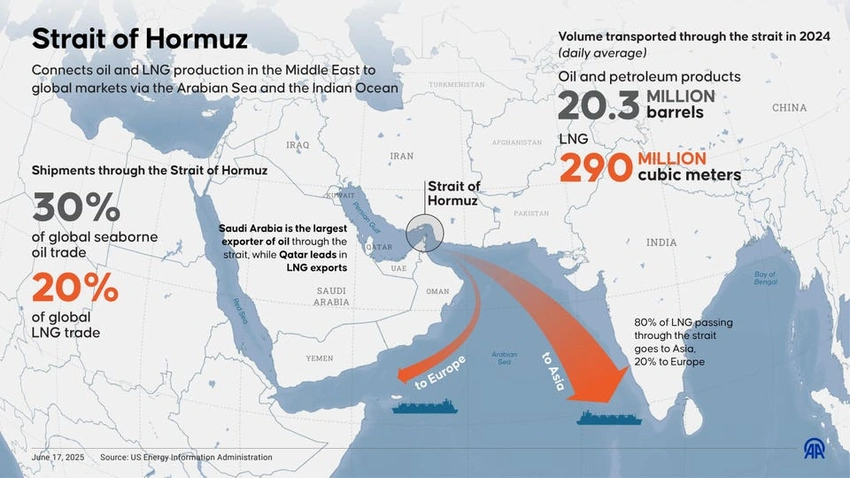
Everyone wants a quick shift to green energy, but 20 million barrels of oil and LNG pass through the Strait of Hormuz daily. Here is why plugging that massive gap in the short term is mathematically impossible.
Have you ever noticed how people talk about global energy like it is a simple household utility? Just unplug the bad stuff and plug in the clean stuff. If only the math were that simple.
Right now, a staggering 20 million barrels of oil and liquefied natural gas travel through the Strait of Hormuz every single day. That is not just a big number. That is the lifeblood of the global economy keeping trucks on the road, cargo ships moving, and homes warm. When conversations turn to quickly replacing that kind of volume, we hit a brick wall of pure, unyielding math.
The Scale of the Problem Let us put 20 million barrels into perspective. You cannot just replace that massive daily flow with a few extra wind farms or a new solar array. The energy density of oil and gas is incredibly high, meaning it takes a colossal amount of alternative infrastructure to generate the exact same output. We are talking about decades of construction, mining for battery materials, and grid upgrades to even make a dent.
The Myth of the Quick Fix We all want a cleaner future, but pretending we can magically substitute this supply in the short term is dangerous wishful thinking. Here is why quick energy substitutions fail the reality test:
- Infrastructure Lag: Building new energy grids takes years of planning, permitting, and construction.
- Supply Chain Limits: You cannot just order millions of electric vehicles and battery storage units overnight. The raw materials simply are not mined fast enough yet.
- Geographic Bottlenecks: The Strait of Hormuz is a unique geographical chokepoint. If supply stops flowing there, alternative routes and sources cannot make up the difference without severe global shortages.
Facing Reality Ignoring these logistical nightmares does not make them disappear. When we pretend that swapping out fossil fuels is a quick fix, we set ourselves up for extreme economic shocks. A sudden disruption to that 20 million barrel flow would send prices skyrocketing, disrupt global food supplies, and cause immediate panic.
We absolutely need to invest heavily in next-generation energy and rethink how we power our lives. However, we have to respect the transition timeline. The world runs on a highly complex, tightly wound system. Unwinding it takes patience, massive capital, and a healthy dose of realism. Let us focus on building a resilient future without ignoring the impossible math of today.
