The Acne Time-Lag Theory: Why Your Skin Is Always Two Weeks Behind You


The Acne Time-Lag Theory: Why Your Skin Is Always Two Weeks Behind You

Rethinking Breakouts as Delayed Reactions
One of the most misunderstood aspects of acne is timing. Most people assume that a breakout is a direct result of something they did the day before. In reality, your skin operates on a delay system. What you see today is often the result of decisions, stress, or product use from days or even weeks ago. This concept, known as the “acne time-lag,” changes how we approach skincare entirely.
When people rapidly switch products or overload routines, they disrupt this timeline further. For instance, adding something like a cleanser for sensitive acne prone skin 🔗 into an already reactive routine without giving it time to work can lead to confusion rather than clarity.
Understanding this delay is the first step toward building a routine that actually works.
How Acne Forms Beneath the Surface
Before a pimple becomes visible, a complex process unfolds under the skin:
- Excess oil production begins in the sebaceous glands
- Dead skin cells accumulate and clog pores
- Bacteria multiply within the clogged pore
- Inflammation builds gradually
This entire cycle can take anywhere from 7 to 21 days. By the time a breakout appears, the trigger has already passed.
This is why reactive skincare often fails. You are treating the symptom, not the timeline.
The Problem with Instant Gratification Skincare
Modern skincare marketing focuses heavily on speed. Terms like “overnight results” or “instant acne removal” create unrealistic expectations.
In response, people tend to:
- Overuse spot treatments
- Layer multiple active ingredients
- Switch products too frequently
- Ignore the role of consistency
This disrupts the skin’s natural rhythm and often prolongs breakouts instead of resolving them.
Tracking Your Skin Like a Timeline, Not a Moment
To work with your skin instead of against it, you need to think in phases rather than isolated events.
A simple way to do this is by observing patterns:
- Breakouts after specific foods
- Skin changes during stress cycles
- Reactions to new products after 1 to 2 weeks
- Hormonal fluctuations affecting oil production
By identifying these patterns, you gain predictive control over your skin rather than reacting blindly.
Why Gentle Cleansing Sets the Foundation
Cleansing is often underestimated, yet it plays a crucial role in maintaining balance. A harsh cleanser can strip natural oils, triggering more oil production and worsening acne.
A well-formulated cleanser should:
- Remove excess oil without drying the skin
- Maintain the skin’s pH balance
- Support the barrier rather than disrupt it
When your cleansing step is balanced, every other step in your routine becomes more effective.
The Role of Serums in the Time-Lag Cycle
Serums are designed to deliver concentrated ingredients that target specific concerns. However, their effects are not immediate.
For example:
- Oil-regulating serums may take weeks to stabilize sebum production
- Brightening serums require consistent use to fade marks
- Acne-targeting serums work gradually to reduce inflammation
Using a pore control serum consistently can help regulate oil production over time, but expecting instant results often leads to overuse or premature switching.
Patience is not optional here. It is essential.
Moisturization: The Step People Skip Too Often
Many people with acne-prone skin avoid moisturizers, fearing they will worsen breakouts. In reality, skipping this step can backfire.
Without proper hydration:
- The skin produces more oil to compensate
- The barrier becomes weak
- Active ingredients become more irritating
A lightweight, non-comedogenic moisturizer helps maintain balance and supports healing.
The Science of Delayed Results
Scientific research supports the idea that skin takes time to respond to treatments. According to dermatological studies, most acne treatments require at least 4 to 8 weeks to show visible improvement.
This reinforces the importance of consistency and patience. Changing products too quickly prevents you from seeing their full potential.
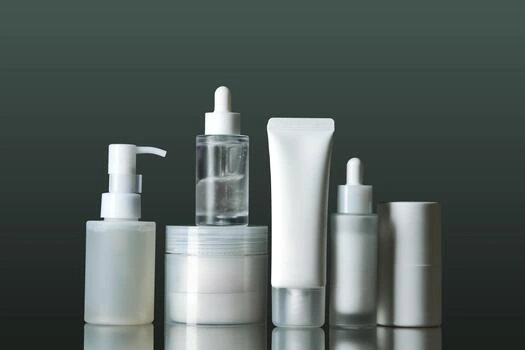
Building a Routine That Respects Time
Instead of chasing quick fixes, focus on building a routine that aligns with your skin’s natural timeline.
A balanced routine includes:
- A gentle cleanser used twice daily
- A targeted serum introduced gradually
- A consistent moisturizing step
- Daily sun protection
Each step should complement the others rather than compete for attention.
Why Over-Treatment Delays Healing
Using too many treatments simultaneously can create a cycle of irritation. This leads to:
- Increased redness and sensitivity
- Slower recovery from breakouts
- Confusion about what is working
Simplifying your routine allows your skin to process each product effectively.
The Emotional Side of Acne Timing
Acne is not just physical. It affects confidence, mood, and self-perception. The delay between cause and effect can make it feel unpredictable and frustrating.
Understanding the time-lag concept can reduce this stress. When you know that today’s breakout is not a failure but a delayed response, you can approach skincare more calmly and strategically.
Consistency: The Real Game-Changer
Consistency is often overlooked in favor of novelty. However, it is the single most important factor in skincare success.
Key habits to follow:
- Stick to your routine for at least a month
- Avoid introducing multiple new products at once
- Observe changes over time rather than daily
These habits create a stable environment for your skin to heal.
Integrating Spot Solutions Without Disrupting the Cycle
Spot treatments can be useful, but they should not dominate your routine. Using them excessively can dry out the skin and cause further irritation.
Instead, use targeted solutions sparingly and allow your overall routine to do the heavy lifting.
Conclusion
The acne time-lag theory challenges the way we think about skincare. It reminds us that results are not immediate and that patience is a critical part of the process. When you align your routine with your skin’s natural timeline, you move from reactive care to proactive management.
Even targeted products like a hydrocolloid clear patch 🔗 are most effective when used as part of a consistent, well-balanced routine rather than as emergency fixes. The real transformation happens when you respect time, not fight it.
Call to Action
If you are ready to move beyond guesswork and build a skincare routine that truly works with your skin, explore thoughtfully designed solutions at World of California 🔗. Discover how consistency, simplicity, and science can transform your approach to acne care.
FAQs
1. Why does my acne appear suddenly even when I follow a routine?
Because acne develops beneath the skin over time, what you see now is often the result of earlier triggers.
2. How long should I wait before changing a product?
It is best to wait at least 4 to 6 weeks to evaluate effectiveness.
3. Can I speed up acne healing?
While you cannot eliminate the timeline, you can support faster healing with a balanced routine.
4. Is it okay to use multiple serums together?
It is better to introduce one serum at a time to avoid irritation and confusion.
5. Do spot treatments work instantly?
They can reduce inflammation quickly, but they do not address the underlying causes of acne.
