Is 'He Would If He Wanted To' Wrecking Your Love Life?

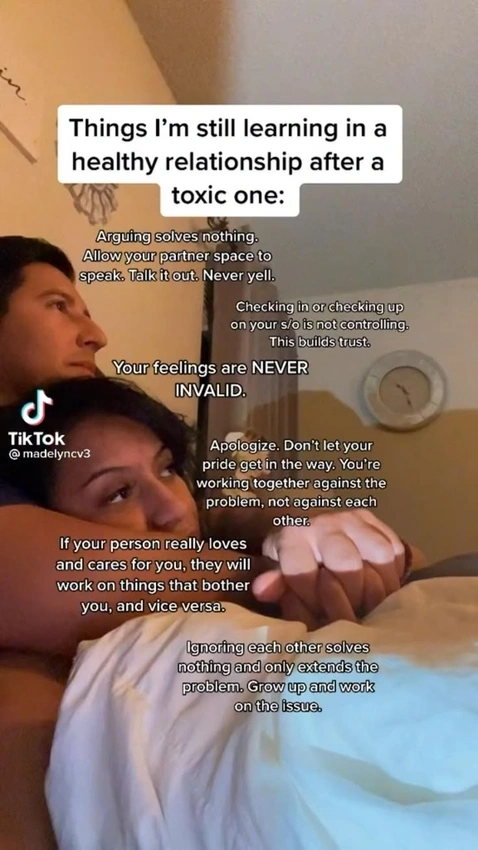
Is 'He Would If He Wanted To' Wrecking Your Love Life?
Explore how the popular TikTok relationship advice 'He Would If He Wanted To' can unknowingly sabotage genuine connections and foster unrealistic expectations in dating.
The digital echo chamber of TikTok is a goldmine for quick-fire advice, especially when it comes to the notoriously complex world of dating. One particular mantra has taken root, sprouting across countless 'For You' pages: 'He would if he wanted to.' On the surface, it sounds empowering- a simple truth to cut through romantic confusion.
But in reality, this seemingly straightforward piece of wisdom is subtly, yet surely, eroding the foundations of healthy, nuanced relationships, replacing understanding with assumption and dialogue with dismissal.
The Allure of Simplicity, The Trap of Dogma
It's easy to see why this advice resonates. When you're feeling unheard or undervalued, the idea that a partner's actions (or inactions) are a direct, unambiguous reflection of their desire can feel like a revelation.
It offers a clear-cut answer in situations that often feel anything but.
However, relationships are rarely black and white; they thrive in the shades of gray, navigating individual needs, external pressures, and diverse communication styles. This dogmatic approach reduces complex human interaction to a simple equation, often leading to misinterpretations and unnecessary heartache.

Communication Breakdown: The Silent Killer
The core danger of 'He would if he wanted to' lies in its inherent discouragement of communication. Instead of prompting an honest conversation about feelings, needs, or misunderstandings, it encourages one partner to unilaterally interpret the other's behavior, often through a lens of suspicion or pre-conceived notions.
We're told to assume the worst, that any perceived lack of effort stems purely from a lack of desire, rather than exploring alternative explanations like stress, miscommunication, different expressions of affection, or even simple human error. “True connection blossoms from asking questions, not from assuming answers.”
Unrealistic Expectations and the Perfect Partner Myth
This TikTok philosophy feeds into a culture of instant gratification and unrealistic expectations, fostering the idea that a partner should anticipate your every need and act perfectly according to your unspoken desires. When a partner doesn't 'perform' exactly as imagined, the advice suggests they simply don't 'want to' enough.
This not only sets an impossibly high bar but also devalues the effort a partner does make, creating an endless pursuit of an idealized, flawless partner who exists only in fiction.

Fostering Insecurity and Dismissing Nuance
For the person receiving this 'wisdom,' it can fuel deep insecurity. It implies that if your partner isn't doing X, Y, or Z, it's because you're not desirable enough, or they don't care enough. This erodes self-worth and breeds resentment.
It also dismisses the fundamental nuance of individual personalities and love languages.
Someone might express love through acts of service, while another expects verbal affirmations or quality time.
Assuming one universal standard for 'wanting to' ignores these crucial differences.

Building Something Real: Beyond the Algorithm
Navigating relationships in the digital age requires more than viral soundbites. It demands patience, empathy, and a willingness to communicate openly and honestly. Instead of allowing an algorithm to dictate your romantic blueprint, focus on understanding your partner's unique way of expressing affection and addressing concerns directly.
Challenge the urge to overthink or assume; instead, lean into conversations, however uncomfortable they may initially feel.
Real love isn't about perfectly predictable actions; it's about mutual effort, grace, and continuous, imperfect communication.
Let's move beyond simplistic slogans and start building relationships rooted in genuine understanding and respect.


Login to comment.