Winter Session Kicks Off: Nuclear Reforms, SIR Debates & Higher Ed Regulator

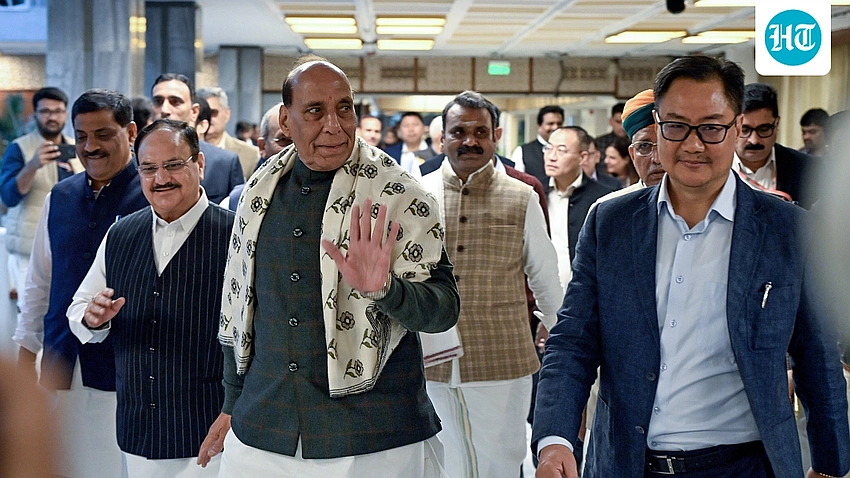
Winter Session Kicks Off: Nuclear Reforms, SIR Debates & Higher Ed Regulator
Parliament's Winter Session opens with plans for 10 new laws, including private entry into nuclear energy and a new regulator to replace UGC, while opposition pushes for debates on SIR and more.
The Winter Session of Parliament opens in New Delhi with a flurry of activity and expectations as the government readies a raft of new legislation. Officials say the agenda on day one includes about 10 proposed laws aimed at reshaping critical sectors, with a clear emphasis on reforming the nuclear energy sector and overhauling higher education governance. The government has signalled it intends to introduce these measures on the very first day, signaling its keenness to set a brisk tone for the 15 sittings scheduled through December 19.
Among the marquee proposals is the Atomic Energy Bill, 2025, which aims to open up civil nuclear power to private players and to encourage private investment in a sector long dominated by state control. The move is pitched as part of a broader push to boost energy security and private participation, though it is certain to invite questions about safety, regulation, and market fairness in parliamentary debates.
Another key item on the table is a bill to establish a higher education regulator intended to replace the University Grants Commission (UGC). The government argues that a dedicated regulator will streamline oversight, quality assurance, and funding norms across universities and colleges, while critics warn that such a shift could widen gaps in regional access and governance.
Parliamentary Affairs Minister Kiren Rijiju has said the government is looking forward to a constructive and meaningful session, underscoring its readiness to listen to the opposition while advancing the legislative timetable. The opposition, however, has already criticized the run-up to the session, accusing the government of avoiding a robust debate on key national issues and highlighting what they describe as a record low average number of sittings, a situation some lawmakers have labeled Parliament-ophobia.
Pre-session exchanges among party leaders in the Business Advisory Committee have foreshadowed a session with visible political friction. The opposition has signaled it intends to press for debates on a slate of topics including national security in light of the Delhi blast concerns, pollution and farmers’ concerns, and the broader issue of governance. Yet the government insists it is prepared to engage and to consider amendments, arguing that a robust parliamentary exchange can strengthen policy outcomes.
With 15 sittings planned, lawmakers expect a busy schedule that could test the working relationship between the government and opposition. The session is framed as a moment for both pushing crucial sectoral reforms and testing the appetite for parliamentary accountability on contentious issues. As the conversations unfold, citizens will be watching to see whether the session delivers constructive debate and progress on the ambitious reform agenda, or whether partisanship overshadows essential national priorities.
Cover image source: Opposition wants Parliament to discuss SIR, Delhi blast, air pollution. What minister said on winter session eve 🔗
