US intel flags Pakistan army chief Munir as risk for Trump admin

US intel flags Pakistan army chief Munir as risk for Trump admin
US intelligence flags Asim Munir amid Iran ties and mediation work, warning it could complicate US-Pakistan ties as Middle East tensions mount.
A new intelligence briefing reportedly flags Pakistan's Army Chief General Asim Munir as a potential liability for the Trump administration, tied to alleged ties with Iran's military and his role in mediating between Tehran and Washington amid growing Middle East tensions. Officials cautioned that Munir's mediation stance could complicate American interests and complicate ongoing policy calculations, noting Pakistan's history as an ally whose reliability has often been questioned.
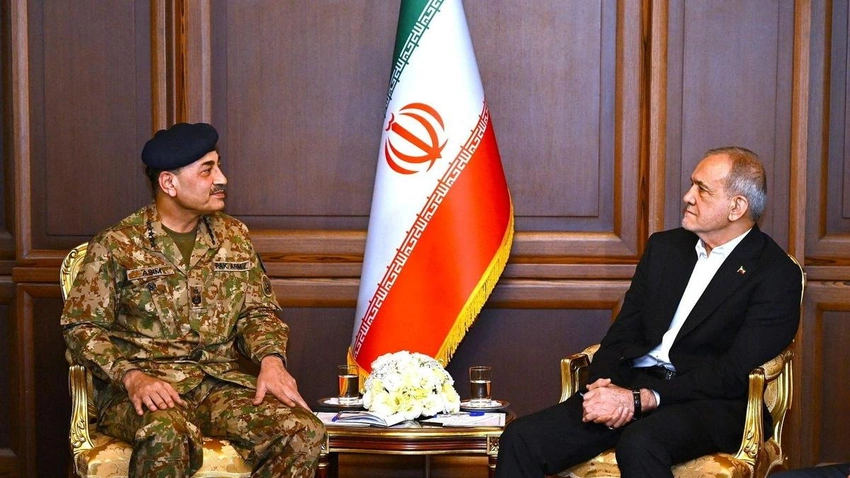
Munir recently completed a three-day visit to Iran with a high-level delegation, becoming the first foreign military leader to visit Tehran since a two-week ceasefire was agreed between Iran and the U.S. The trip underscores the delicate and evolving diplomacy in a region where security calculations are constantly shifting.
Despite the visit and the warmer rhetoric from the U.S. side toward Munir at times, officials highlight a persistent tension: Munir’s ties to Iran, whether direct or perceived, and his role in potentially bridging the two countries could complicate how Washington approaches its relations with both Tehran and Islamabad in a fragile regional balance. Trump has publicly praised Munir on occasion, but within government circles there is a cautious read on how such praise translates into policy leverage amid competing interests.
The developing conversation around Munir illuminates a broader question for U.S. policy: how to engage with regional security actors who sit at the crossroads of U.S. priorities in Iran, Afghanistan, and beyond, without compromising long-term strategic goals. Analysts note that Pakistan’s military has long been a central player in security policy, and Munir’s recent activities touch a sensitive nerve in Washington’s calculations about able partners and trustworthy allies.
As Islamabad seeks greater influence and Tehran pursues stabilizing moves that could reshape the balance of power, experts say the Munir case could have far-reaching implications for future security arrangements and the U.S. approach to diplomacy in the region. The episode serves as a reminder that intelligence assessments and diplomatic signals often diverge, leaving policymakers to navigate a complex web of interests in real time.
